

Key Takeaways
- A PCOS flare-up is a temporary spike in symptoms — such as acne, irregular periods, fatigue, or mood changes — triggered by identifiable factors including stress, diet, poor sleep, or hormonal shifts.
- The most common underlying mechanisms are elevated androgen levels, insulin resistance, and chronic low-grade inflammation, which can reinforce each other in a self-perpetuating cycle.
- Flare-ups typically last days to several weeks, depending on how quickly the trigger is identified and addressed.
- Lifestyle adjustments — particularly an anti-inflammatory diet, regular moderate exercise, and stress management — are among the most evidence-supported approaches to reducing flare frequency and severity.
- Persistent or severe symptoms warrant a medical review; a GP or gynaecologist can assess whether medication or further investigation is appropriate.
What Is a PCOS Flare-Up?
Polycystic ovary syndrome (PCOS) is a chronic endocrine disorder, which means symptoms are present to some degree most of the time. However, many people with PCOS notice that their symptoms are not constant — they fluctuate, and at certain points they intensify noticeably. This temporary worsening is commonly referred to as a PCOS flare-up.
A flare-up is not a separate condition or a new diagnosis. It is a symptom spike that occurs when one or more underlying drivers of PCOS — most often hormonal fluctuations, insulin resistance, or inflammation — are amplified by a specific trigger. Understanding the difference between your everyday baseline symptoms and an acute flare is useful because it helps you identify what changed, and what you might do differently.
Baseline PCOS symptoms are the persistent, lower-level signs you live with day to day — mild hormonal acne, slightly irregular cycles, or a tendency toward fatigue. A flare-up, by contrast, involves a clear and often sudden worsening: a breakout that is more severe than usual, a missed period after several regular ones, or a significant drop in energy and mood. Recognising this distinction is the first step toward managing flares more effectively.
What Causes a PCOS Flare-Up?
PCOS flare-ups do not happen randomly. They are almost always driven by one or more identifiable triggers that disturb the hormonal and metabolic balance that people with PCOS work to maintain. The most common causes are outlined below.
Stress and the Cortisol Response
Psychological or physical stress triggers the release of cortisol from the adrenal glands. In people with PCOS, an elevated cortisol response creates a problematic chain reaction: cortisol worsens insulin resistance, which in turn causes the ovaries to produce more androgens (male-type hormones such as testosterone and DHEA-S). Higher androgen levels then drive symptoms such as cystic acne, oily skin, and disrupted menstrual cycles. Chronic stress also disrupts the hypothalamic-pituitary-gonadal axis — the hormonal signalling pathway that regulates ovulation — making irregular periods more likely during stressful periods.
Diet and Blood Sugar Regulation
Refined sugars and processed foods cause rapid spikes in blood glucose, which demand a surge of insulin in response. Because insulin resistance is a core feature of PCOS in many cases, the body produces more insulin than necessary, and excess insulin directly stimulates the ovaries to produce more androgens. A diet high in refined carbohydrates and low in fibre and protein can therefore trigger or prolong a flare-up by continuously disrupting blood sugar regulation. Conversely, a low glycaemic index (low-GI) eating pattern helps keep insulin levels more stable.
Poor Sleep
Sleep deprivation elevates cortisol, impairs insulin sensitivity, and disrupts the hormonal rhythms that regulate the menstrual cycle. Even a few nights of poor sleep can measurably worsen inflammatory markers and androgen levels in people with PCOS, making sleep hygiene a genuinely important — and often underestimated — factor in flare prevention.
Sudden Weight Changes
Both rapid weight gain and significant weight loss can destabilise hormone levels. Visceral fat (fat stored around the abdominal organs) functions as an inflammatory organ, releasing cytokines that worsen chronic low-grade inflammation and insulin resistance. Sudden weight gain can therefore amplify the hormonal disruption that underlies a flare. Equally, very rapid weight loss through extreme restriction can stress the body and trigger hormonal instability.
Hormonal Fluctuations Across the Cycle and Life Stages
Natural hormonal fluctuations during the menstrual cycle — particularly around ovulation and in the luteal phase — can temporarily worsen PCOS symptoms. Flare patterns may also differ across life stages: adolescents with PCOS may experience more pronounced acne and cycle irregularity, while those approaching perimenopause may notice a resurgence of symptoms as oestrogen levels shift. Hormonal changes associated with stopping or starting certain contraceptives can also trigger a temporary flare.
Environmental Triggers and Endocrine Disruptors
Endocrine disruptors are chemicals found in some plastics, food packaging, cosmetics, and cleaning products that can interfere with hormone signalling. Compounds such as bisphenol A (BPA) and certain phthalates have been associated with worsened hormonal imbalance in people with PCOS. While the evidence is still developing, reducing unnecessary exposure to these substances is a reasonable precaution, particularly during a flare.
Seasonal Inactivity
Reduced physical activity during winter months can worsen insulin resistance and contribute to weight gain, both of which may increase the likelihood of a flare. Regular moderate exercise is one of the most effective tools for improving insulin sensitivity, so a significant drop in activity levels can remove an important protective factor.
The Inflammation–Insulin Resistance Loop
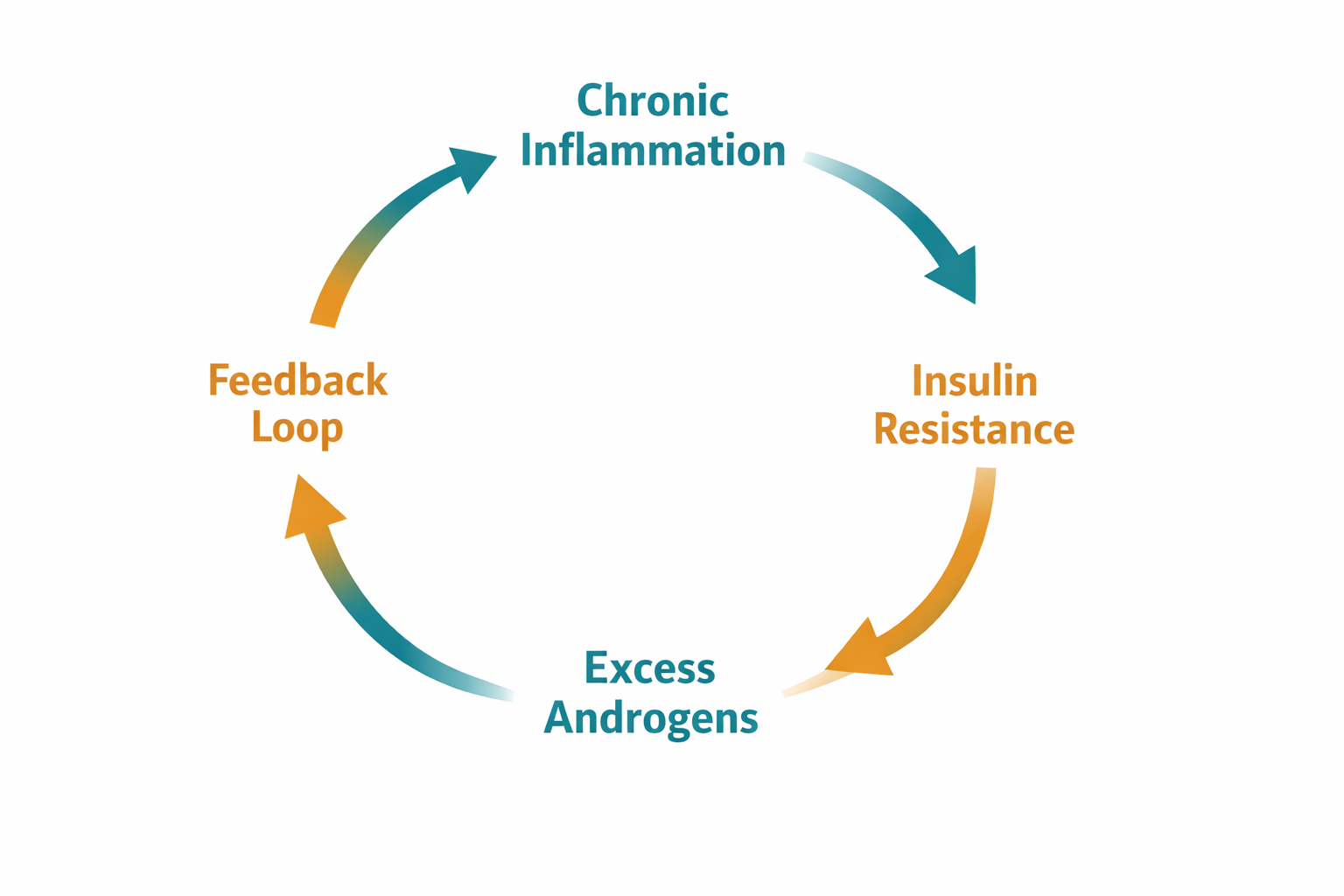
One of the most important — and least discussed — aspects of PCOS flare-ups is the self-reinforcing cycle between chronic low-grade inflammation and insulin resistance. Understanding this loop helps explain why flares can feel difficult to break once they start.
Chronic low-grade inflammation, which is present in many people with PCOS even between flares, impairs the body’s ability to respond to insulin effectively. This worsened insulin resistance causes the pancreas to produce more insulin, which stimulates the ovaries to produce excess androgens. Elevated androgens then promote further inflammation — completing the loop. Visceral fat amplifies this process by releasing pro-inflammatory cytokines that sustain the cycle. A trigger such as a stressful week or several days of poor diet can be enough to accelerate this loop and push symptoms into a noticeable flare.
Recognising this mechanism is practically useful: it means that addressing inflammation through diet, sleep, and stress management is not just about comfort — it directly targets the hormonal disruption driving the flare.
Symptoms During a PCOS Flare-Up
Flare-up symptoms vary between individuals depending on which aspects of PCOS are most prominent for them. The following are the most commonly reported signs that a flare is occurring:
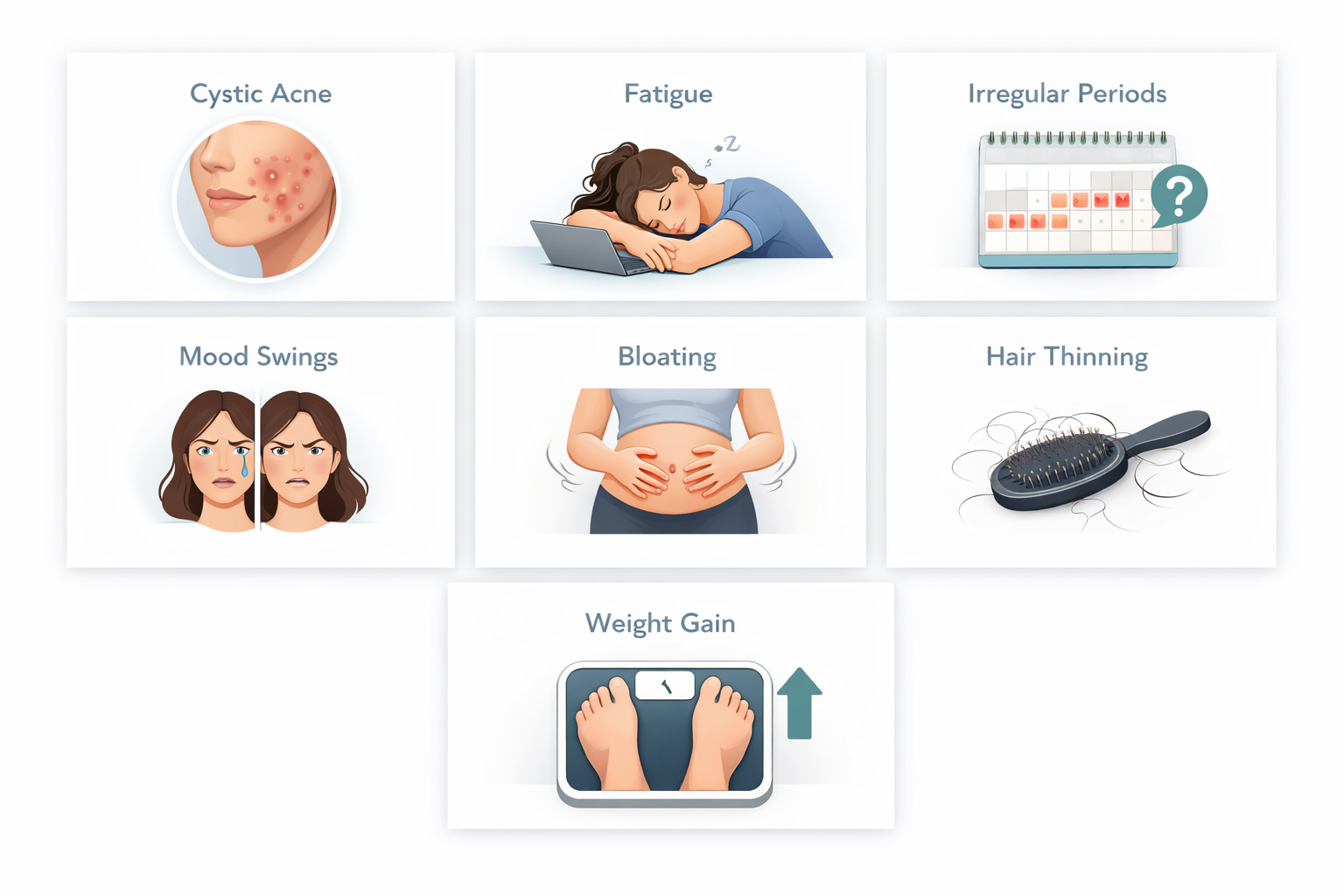
- Cystic acne — particularly along the jawline, chin, and lower cheeks, often more severe or numerous than usual
- Oily skin — increased sebum production driven by elevated androgen levels
- Hirsutism — a noticeable increase in unwanted facial or body hair growth
- Scalp hair thinning — temporary worsening of androgenic alopecia
- Irregular or missed periods — disrupted ovulation leading to cycle changes
- Bloating and abdominal discomfort — digestive changes associated with hormonal shifts
- Pelvic pain or a dull ache — sometimes associated with ovarian activity or anovulation
- Fatigue and low energy — often linked to disrupted sleep, blood sugar instability, or inflammation
- Mood swings, anxiety, or low mood — driven by hormonal fluctuations and the psychological burden of worsening symptoms
- Weight gain or difficulty managing weight — particularly around the abdomen
- Brain fog — difficulty concentrating, often associated with poor sleep and elevated inflammation
Not everyone will experience all of these symptoms during a flare. Some people find that acne and cycle changes are their primary indicators, while others are more affected by fatigue and mood. Tracking your individual pattern over time makes it easier to recognise a flare early and respond quickly.
How Long Does a PCOS Flare-Up Last?
The duration of a PCOS flare-up depends largely on the trigger and how quickly it is addressed. A flare caused by a short period of acute stress — such as a difficult week at work — may resolve within a few days once the stressor passes and normal routines resume. A flare driven by sustained poor diet, chronic sleep disruption, or significant weight gain may persist for several weeks if the underlying cause is not changed.
There is no fixed timeline that applies to everyone. Because PCOS involves a chronic hormonal imbalance rather than an acute illness, flares do not resolve on their own in the way that a cold might. They tend to improve when the triggering factor is reduced and when the inflammation–insulin resistance loop is interrupted through lifestyle adjustments or, where appropriate, medical treatment. Most people find that a flare begins to ease within one to three weeks of making meaningful changes, though skin symptoms such as cystic acne may take longer to fully clear due to the skin’s natural renewal cycle.
Managing a PCOS Flare-Up: Practical Steps
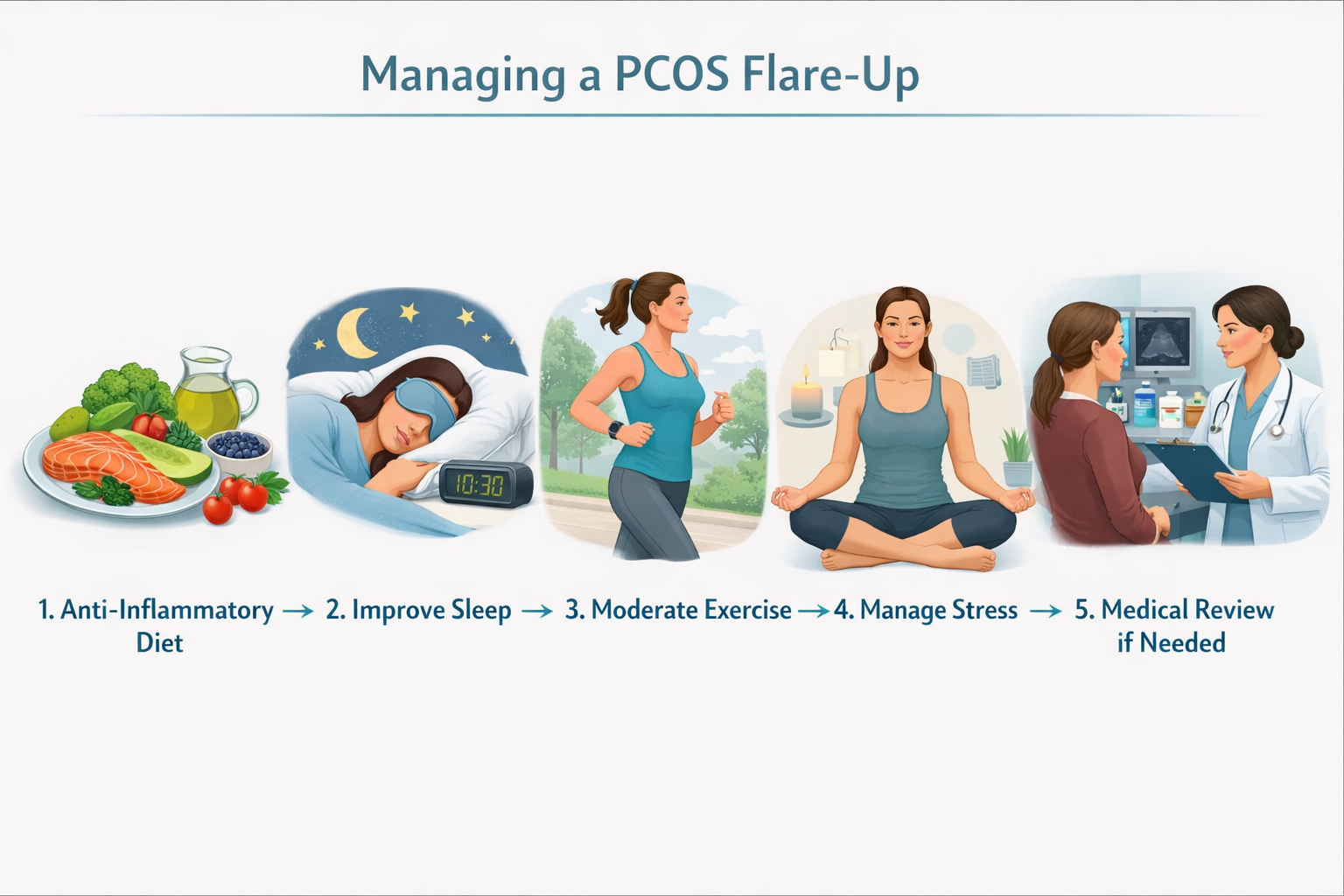
There is no single intervention that stops a PCOS flare-up immediately, but a combination of targeted lifestyle adjustments can meaningfully reduce its severity and duration. The following approaches are among the most evidence-supported.
Adjust Your Diet Toward Anti-Inflammatory Eating
During a flare, prioritising an anti-inflammatory diet is one of the most direct ways to interrupt the inflammation–insulin resistance cycle. A Mediterranean-style eating pattern — rich in vegetables, legumes, whole grains, oily fish, nuts, and olive oil — provides omega-3 fatty acids and antioxidants that help reduce inflammatory markers. Reducing refined sugars, white bread, pastries, and ultra-processed foods lowers the insulin demand that drives androgen production. Choosing low-GI carbohydrates such as oats, lentils, sweet potato, and most fruits helps maintain more stable blood sugar levels throughout the day.
Foods to Prioritise and Foods to Limit
| Prioritise | Limit or Avoid During a Flare |
|---|---|
| Oily fish (salmon, mackerel, sardines) | Sugary drinks and fruit juices |
| Leafy greens and colourful vegetables | White bread, pastries, and refined cereals |
| Legumes (lentils, chickpeas, beans) | Ultra-processed snacks and fast food |
| Whole grains (oats, quinoa, brown rice) | Alcohol |
| Nuts and seeds (flaxseed, chia, walnuts) | High-sugar dairy products |
| Olive oil and avocado | Excessive caffeine (may worsen cortisol) |
| Berries and low-GI fruits | Highly processed meat products |
Prioritise Sleep
Aiming for seven to nine hours of consistent sleep per night supports cortisol regulation, insulin sensitivity, and hormonal balance. During a flare, improving sleep hygiene — maintaining a regular sleep schedule, reducing screen exposure before bed, and keeping the bedroom cool and dark — can have a measurable effect on symptom severity within days.
Exercise Regularly but Moderately
Regular moderate exercise — such as brisk walking, swimming, cycling, or yoga — improves insulin sensitivity and helps reduce visceral fat, both of which directly address the hormonal drivers of a flare. Very high-intensity exercise performed excessively can raise cortisol and may worsen symptoms in some people with PCOS, so balance is important. Aim for at least 150 minutes of moderate activity per week, spread across several days.
Manage Stress Actively
Because the cortisol response is a significant flare trigger, stress management is not optional — it is a clinical priority. Practices such as mindfulness meditation, breathwork, gentle yoga, and spending time in nature have evidence supporting their role in reducing cortisol and improving psychological wellbeing in people with chronic conditions. Even ten to fifteen minutes of deliberate relaxation daily can support nervous system regulation during a flare.
Consider Relevant Supplements
Several supplements have evidence supporting their use in PCOS management, though they should be discussed with a healthcare professional before starting. Myo-inositol is among the most studied, with research suggesting it may improve insulin sensitivity and support more regular ovulation. Omega-3 fatty acids (from fish oil or algae-based supplements) may help reduce inflammatory markers. Magnesium, vitamin D, and chromium have also been associated with improved insulin regulation in some studies. These supplements are not a substitute for medical treatment but may complement a broader self-care plan during a flare.
Use Cycle Tracking and Symptom Journalling
Cycle tracking apps and symptom journals are practical tools that help identify personal flare patterns over time. Recording symptoms, diet, sleep quality, stress levels, and cycle changes makes it easier to spot correlations between specific triggers and flare onset. This information is also valuable to share with a GP or gynaecologist, as it provides a clearer picture of your individual PCOS pattern than memory alone.
The Mental Health Impact of a PCOS Flare-Up
The psychological burden of a PCOS flare-up is significant and is frequently underrepresented in patient information. Research consistently shows that people with PCOS have substantially elevated rates of anxiety and depression compared to the general population — and these risks increase during periods when physical symptoms worsen.
During a flare, the combination of visible skin changes, weight fluctuation, fatigue, and cycle disruption can affect body image, self-esteem, and social confidence. Hyperandrogenism has also been linked to disruptions in serotonin signalling, which may directly contribute to low mood and anxiety during a flare. Brain fog — a commonly reported but often dismissed symptom — can affect concentration and productivity, adding to the sense of being overwhelmed.
Acknowledging the mental health dimension of a flare is important. If anxiety or low mood is significantly affecting daily functioning, speaking with a GP or mental health professional is appropriate. Peer support groups and PCOS communities can also provide meaningful connection during difficult periods. A self-care plan that addresses both physical and emotional wellbeing is more effective than one that focuses on physical symptoms alone.
Medical Treatment Options During a Flare
Lifestyle measures are the foundation of flare management, but medical treatment is appropriate in many cases — particularly when symptoms are severe, persistent, or significantly affecting quality of life.
A GP or gynaecologist may consider the following depending on your individual circumstances and medical history:
- Metformin — an insulin sensitiser commonly used in PCOS to reduce insulin resistance and lower androgen production. It is not suitable for everyone and requires medical supervision.
- Combined oral contraceptive pill — can regulate the menstrual cycle and reduce androgen-driven symptoms such as acne and hirsutism. Some formulations may be more appropriate than others for people with PCOS; certain types may worsen insulin resistance, which is worth discussing with your prescriber.
- Anti-androgens such as spironolactone — may be considered for persistent hirsutism or acne that has not responded to other treatments.
- Clomiphene or other ovulation induction agents — relevant for those trying to conceive who are experiencing anovulation during a flare.
Blood tests to assess hormone levels, fasting insulin, and inflammatory markers can help clarify what is driving a flare and guide treatment decisions. An ultrasound may be recommended if pelvic pain or ovarian changes are a concern.
When to See a Doctor
Many PCOS flare-ups can be managed with lifestyle adjustments, but some situations warrant prompt medical attention. Consider contacting your GP or gynaecologist if you experience any of the following:
- Periods that have stopped for three months or more
- Severe or rapidly worsening pelvic pain
- Significant and unexplained weight gain over a short period
- Acne that is not responding to over-the-counter treatment and is causing scarring
- Symptoms of depression or anxiety that are affecting daily life
- Sudden and marked increase in unwanted hair growth
- Difficulty conceiving after twelve months of trying (or six months if over 35)
- Symptoms that are not improving after four to six weeks of consistent lifestyle changes
A flare-up that does not respond to self-management may indicate that your current treatment plan needs review, or that another condition is contributing to your symptoms. Early medical review is always preferable to prolonged self-management of worsening symptoms.
Frequently Asked Questions
How long does a PCOS flare-up last?
Duration varies depending on the trigger and how quickly it is addressed. A flare linked to a short period of acute stress may ease within a few days. One driven by sustained dietary changes, poor sleep, or significant weight gain may last several weeks. Most people notice improvement within one to three weeks of making consistent lifestyle adjustments, though skin symptoms may take longer to fully resolve.
Is a PCOS flare-up the same every time?
Not necessarily. The symptoms that dominate a flare can vary depending on the trigger. A stress-driven flare may primarily affect mood and cycle regularity, while a diet-related flare may be more likely to worsen acne and bloating. Tracking symptoms over time helps identify your individual patterns.
Can PCOS flare-ups be prevented?
They cannot always be prevented entirely, but their frequency and severity can often be reduced. Consistent attention to diet, sleep, stress management, and regular exercise addresses the main underlying drivers. Identifying your personal triggers through cycle tracking and symptom journalling also allows earlier intervention when a flare begins.
Can stopping or starting the pill trigger a PCOS flare-up?
Yes. Hormonal changes associated with stopping combined oral contraceptives can temporarily unmask or worsen PCOS symptoms, including acne and cycle irregularity. This is sometimes called post-pill PCOS or a post-pill flare. Symptoms usually stabilise over several months, but medical support may be helpful during this period.
Does myo-inositol help during a flare-up?
Myo-inositol is among the more studied supplements for PCOS and may help improve insulin sensitivity and support more regular ovulation over time. It is not a rapid-acting treatment and is unlikely to resolve an acute flare quickly on its own, but it may be a useful addition to a broader management plan. Always discuss supplements with a healthcare professional before starting.
Are PCOS flare-ups more common at certain times of year?
Some people notice that symptoms worsen in winter, likely due to reduced physical activity, less sunlight exposure (which affects vitamin D levels), and changes in diet and routine. Maintaining consistent exercise and dietary habits year-round can help reduce seasonal variation in symptoms.
Taking a Practical Approach to PCOS Flare-Ups
A PCOS flare-up is a signal that something in your hormonal or metabolic balance has been disrupted — not a sign that your condition is worsening permanently. Most flares have identifiable triggers, and most respond meaningfully to targeted lifestyle adjustments combined with appropriate medical support where needed.
The most effective approach combines short-term symptom management — adjusting diet, improving sleep, reducing stress — with longer-term strategies that address the underlying drivers of PCOS, particularly insulin resistance and chronic low-grade inflammation. A self-care plan that includes cycle tracking, anti-inflammatory eating, regular movement, and attention to mental health gives you the best foundation for reducing both the frequency and severity of future flares.
If your symptoms are persistent, severe, or significantly affecting your quality of life, a consultation with a GP, gynaecologist, or endocrinologist is the appropriate next step. A clinician can assess your hormone levels, review your current management plan, and discuss whether medication or further investigation would be beneficial for your individual situation.