Non-Surgical Rhinoplasty in London
Non-surgical rhinoplasty uses dermal filler to address concerns related to the shape of the nose — including irregularities along the nasal bridge, a downturned tip, or subtle asymmetry — without the need for invasive surgery. Because the nose is a structurally complex and vascular area, this type of nose filler treatment requires careful anatomical assessment and considered clinical judgement before any decision is made.
For patients considering a non-surgical nose job, the procedure offers a measured, reversible way to make changes to the nose that may not otherwise justify the recovery and permanence of surgical rhinoplasty. Suitability is not universal, and a thorough initial consultation is essential to determine whether this approach is appropriate for your anatomy and treatment goals.
What Is Non-Surgical Rhinoplasty?
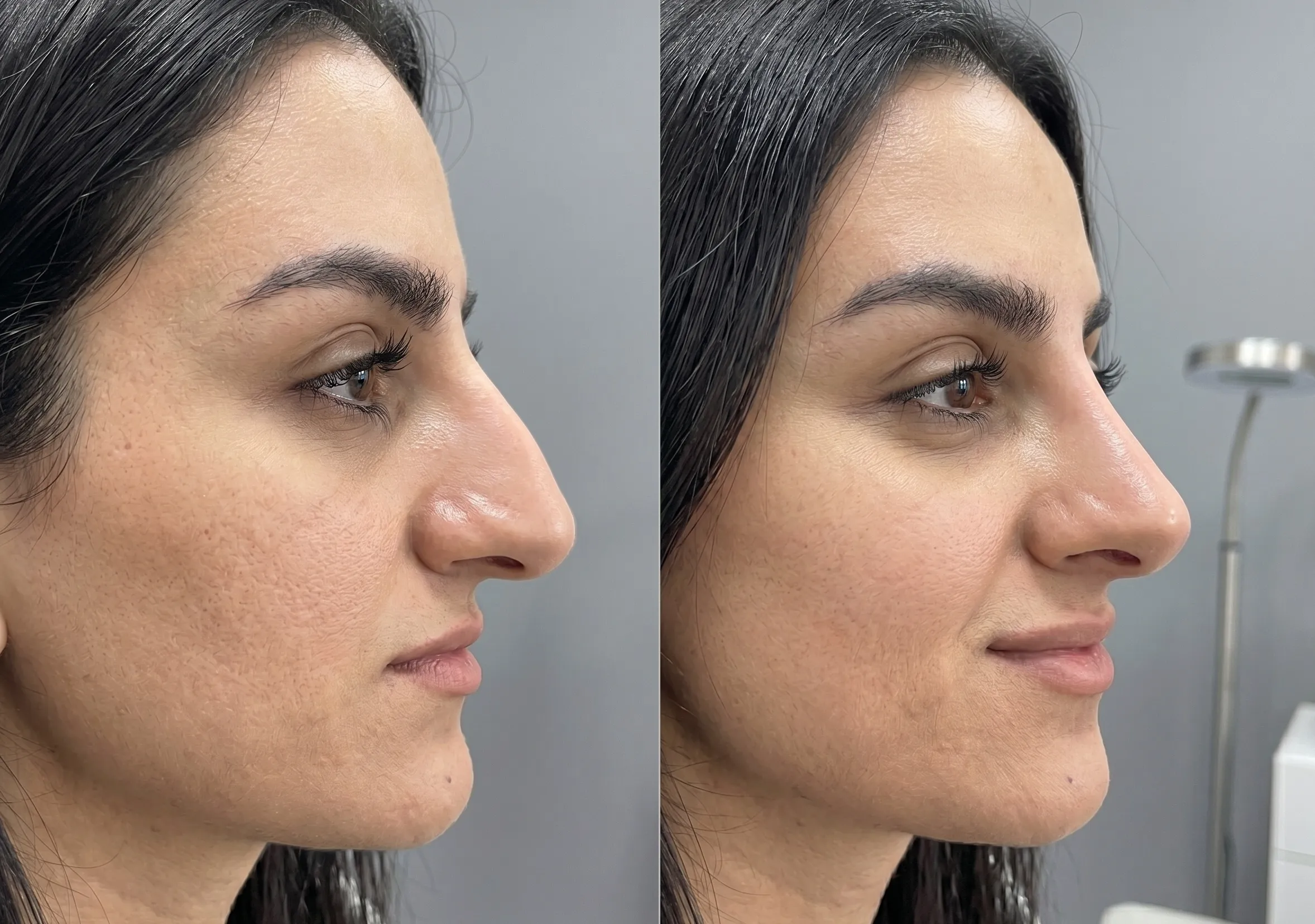
Non-surgical rhinoplasty — sometimes referred to as a liquid nose job or liquid rhinoplasty — involves the precise injection of hyaluronic acid dermal filler into specific points along the nose to refine its contour and profile. The treatment is used to address concerns such as a bump on the bridge, a drooping tip, or subtle asymmetry, without altering the underlying nasal structure.
Unlike traditional rhinoplasty, this is a non-permanent procedure. The filler used is gradually absorbed by the body over time, and results can be adjusted or, where clinically appropriate, dissolved. However, the nose is one of the most anatomically sensitive areas for injectable treatment, with dense vasculature and limited tissue tolerance, making technical precision and clinical caution essential.
The procedure is not appropriate for all patients or all nose-related concerns. Structural issues affecting the function of your nose, significant size reduction, or major reshaping of nasal anatomy generally fall outside what injectable filler treatment can safely achieve.
- Treatment type: Injectable dermal filler (hyaluronic acid)
- Primary purpose: Non-surgical nose reshaping and nose profile refinement
- Typical indication: Bridge irregularity, tip refinement, minor symmetry correction
- Procedural focus: Precise, low-volume injections to targeted nasal anatomy
- Enhanced caution required: High vascular density, limited correction of structural concerns, risk of vascular compromise
Who This Treatment May Suit
Non-surgical rhinoplasty may be considered for patients seeking non-permanent, subtle changes to the shape of their nose — such as smoothing a slightly crooked nose, softening a visible bump, or improving the overall profile — without committing to invasive surgery. Patients who are good candidates typically have realistic expectations about the scope and limitations of what dermal filler injections can achieve.
Not everyone who presents for a non surgical nose job will be suitable. Patients with prior filler in the nasal area, complex underlying anatomy, circulatory concerns, or requirements that exceed what is achievable without surgery may be advised that this treatment is not appropriate for them. Suitability is always assessed individually, based on anatomy, medical history, prior treatment history, and clinical judgement.
Assessing Profile Concerns Without Surgery
Many patients who enquire about non-surgical rhinoplasty are seeking a way to make modest changes to the nose — a straighter nose profile, a less prominent dorsal hump, or a more refined tip — without downtime, recovery, or the permanence of surgery. For the right candidate, nose filler can create a meaningful improvement in how the nose reads in profile, while maintaining a natural relationship with the rest of the face.
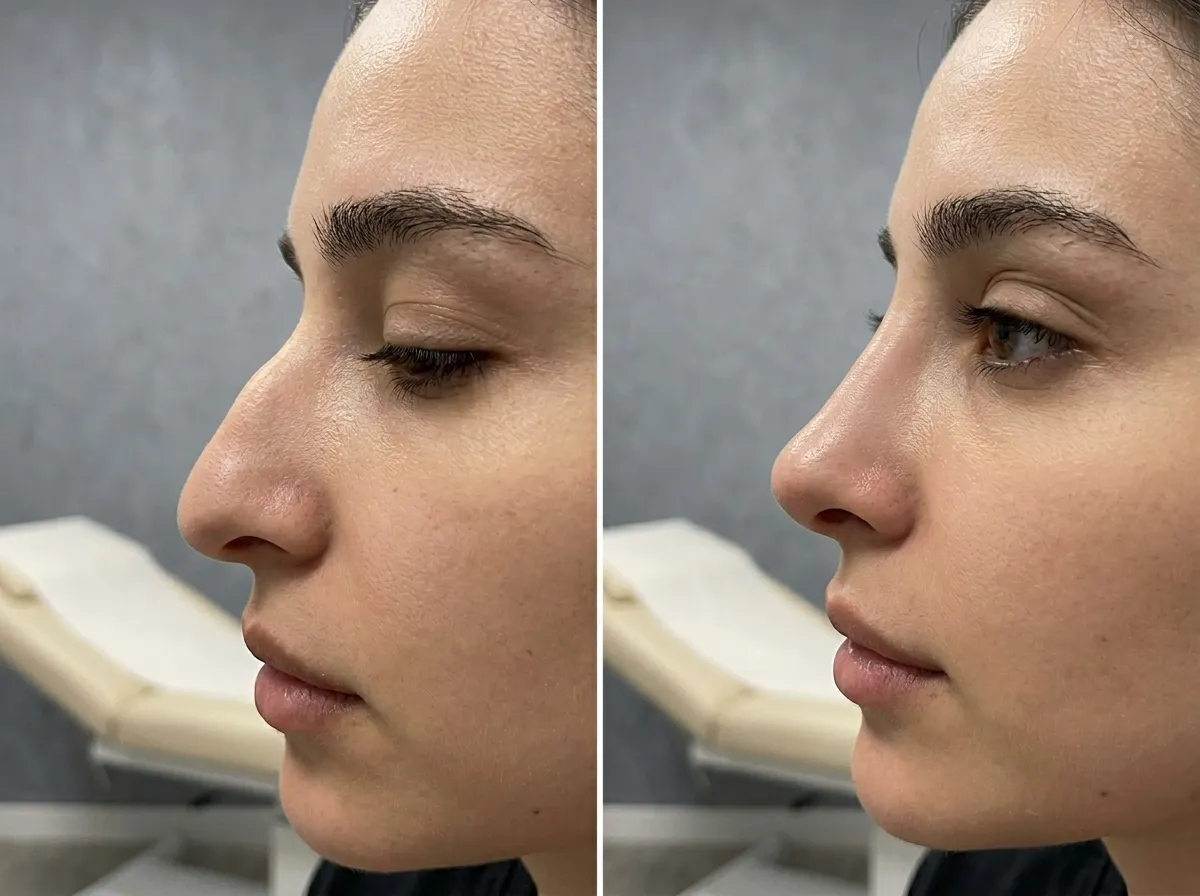
The bridge of the nose and the tip of the nose respond differently to filler, and each area carries distinct clinical considerations. Injecting filler into the bridge can create an optical illusion of a smoother, straighter nose, while targeted placement near the nasal tip can improve projection and definition. Both require precise technique, appropriate product selection, and a clear understanding of individual nasal structure.
- Smoothing bumps on the nose or along the bridge of the nose
- Refining tip definition and projection
- Improving the appearance of a slightly crooked nose
- Creating a more balanced nose profile in relation to facial structure
- Addressing subtle asymmetry without surgery
Consultation and Pricing
Treatment suitability, the appropriate amount of filler required, and the final cost of your non-surgical rhinoplasty are confirmed during your initial consultation and clinical assessment, taking into account anatomy, prior treatment history, and the complexity of any proposed changes to your nose.
The following figures represent general London market guidance only, based on publicly advertised prices reviewed in May 2026 across approximately eight London clinics. These are not London Aesthetics’ prices and may not reflect consultation fees, product differences, the level of clinical complexity, or any corrective or revision requirements.
- Initial consultation and assessment: about £50–£150
- Standard non-surgical rhinoplasty (single session): about £400–£800
- Complex or revision nose filler treatment: about £600–£1,000+
- Dermal filler dissolving (hyaluronidase): about £150–£300
- Follow-up or maintenance session: about £300–£600
Before and After Botox Treatment
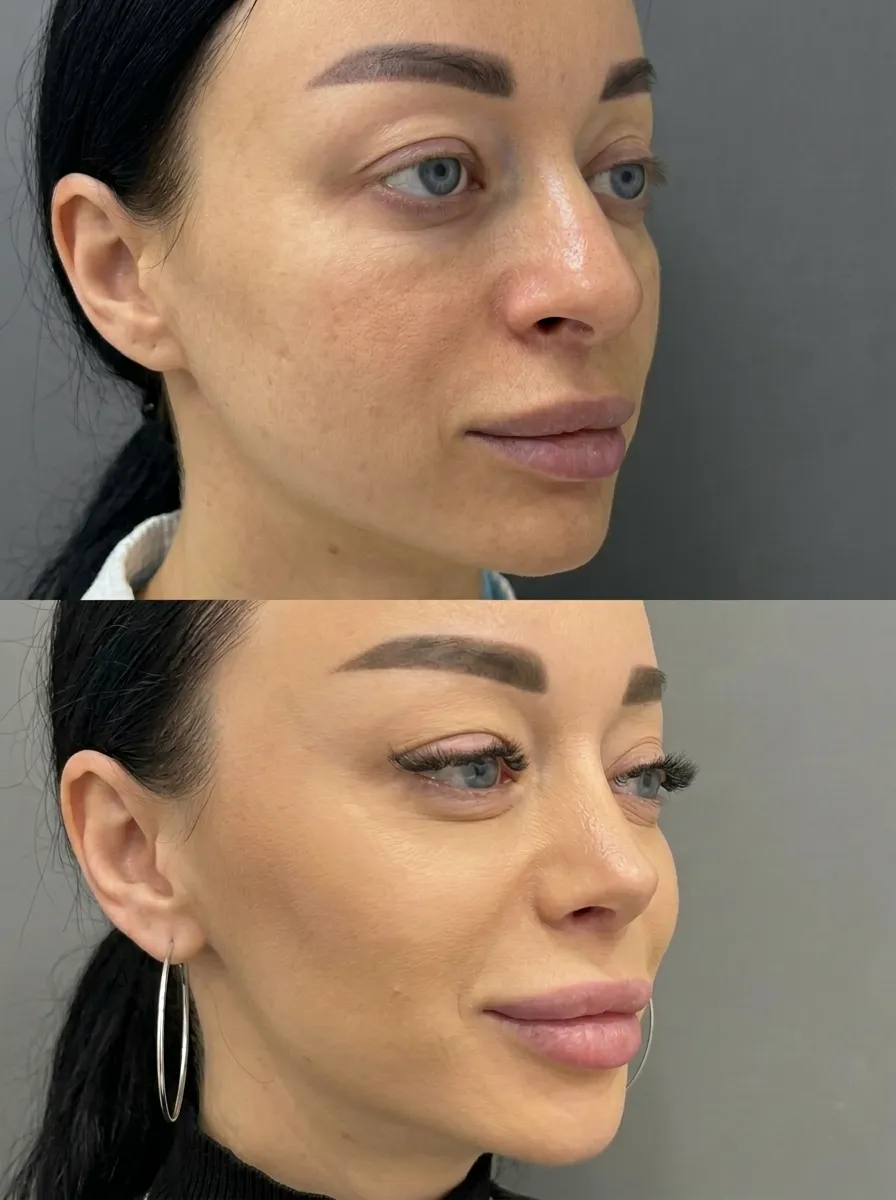
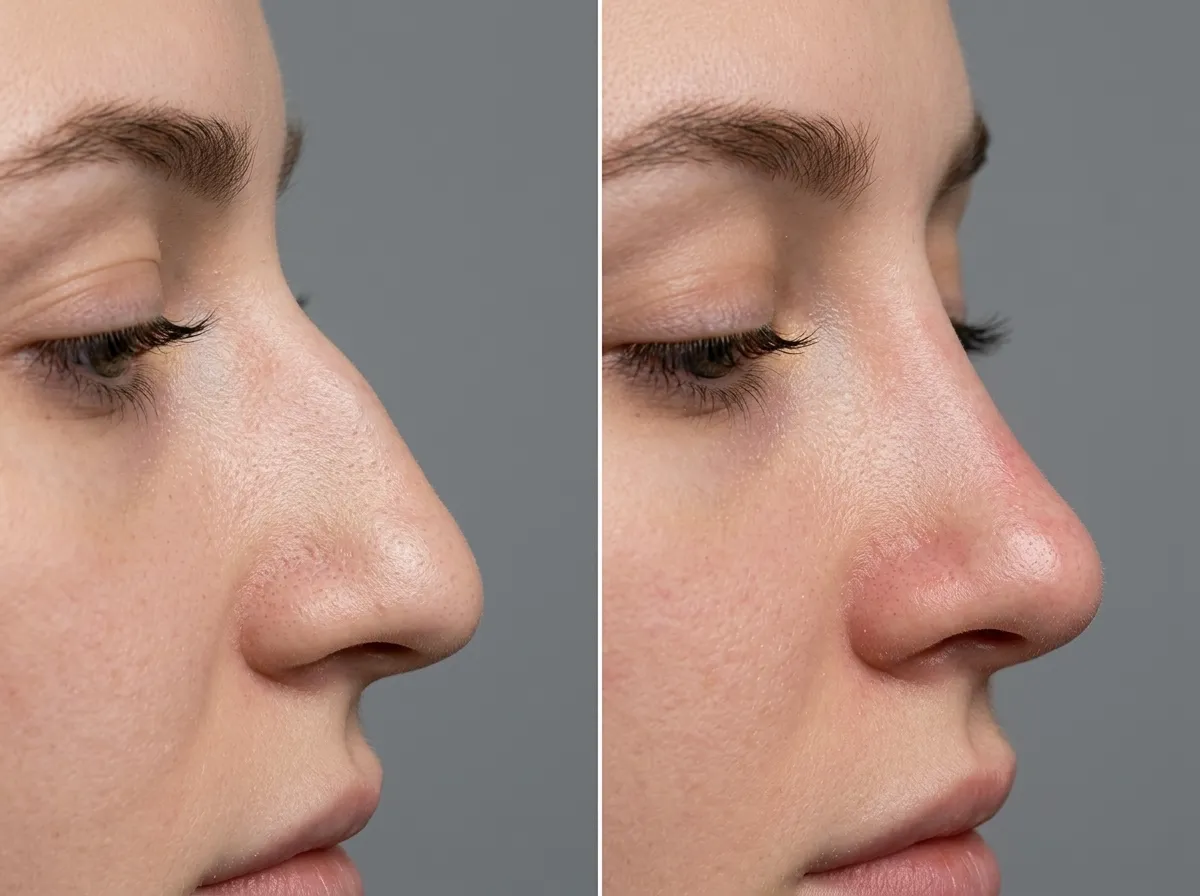
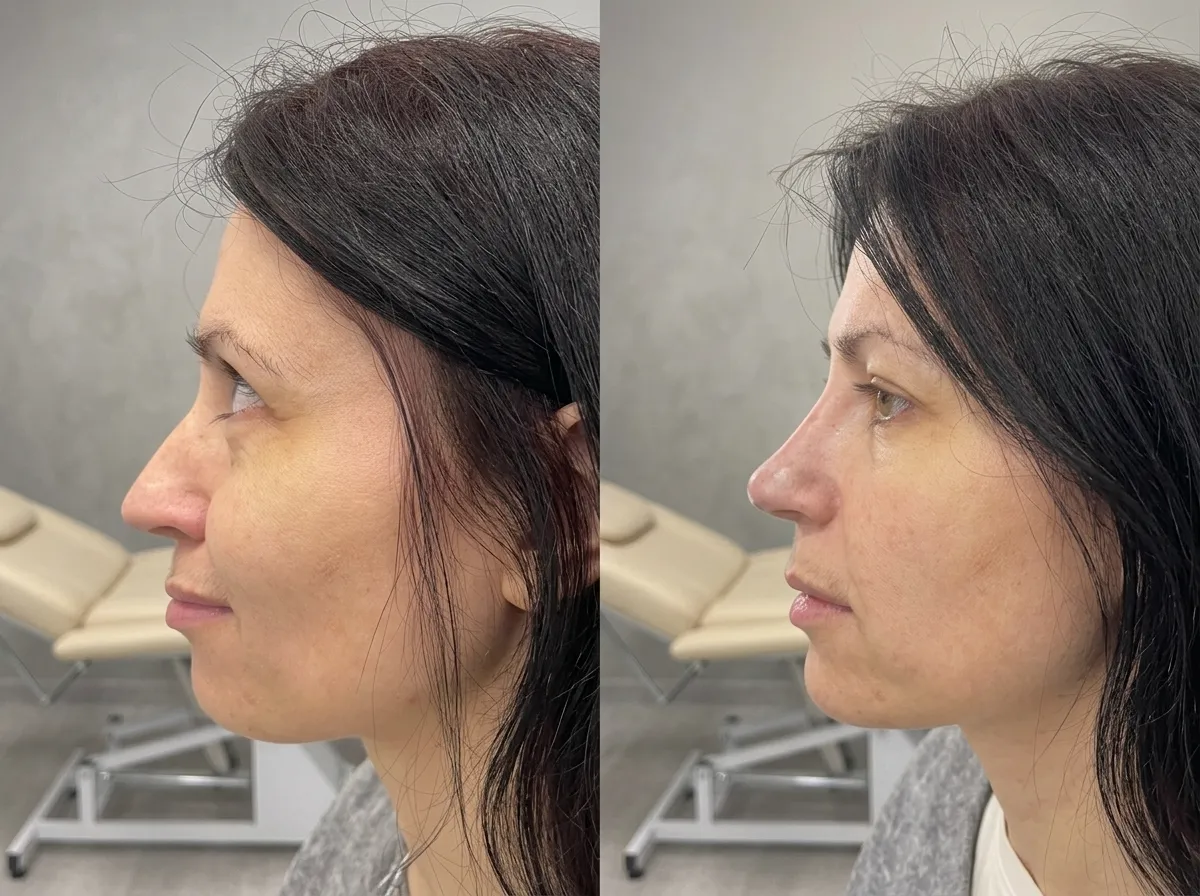
Before treatment, patients will typically be aware of a specific concern relating to the shape of their nose — whether a visible hump along the bridge, a downturned or flat tip, or an asymmetry that affects the overall balance of their nose and facial structure. The treatment is designed to address these visible concerns in a considered, measured way, and the outcome will depend on individual anatomy, the amount of filler used, and the precision of placement.
After a non-surgical nose job, visible change is generally immediate, though the final result becomes clearer once any initial swelling has resolved — typically within one to two weeks. Results should enhance the nose profile without creating an unnatural appearance, and the degree of change will vary according to the patient’s starting anatomy and treatment plan. Outcomes cannot be guaranteed and will differ between individuals.
- Reduction in the visual prominence of bumps on the nose
- Improved straightness and definition along the bridge of the nose
- Enhanced tip projection or definition
- A more balanced nose profile within the overall facial structure
- Refined nose proportions that appear natural rather than altered
Why Nasal Anatomy Requires Increased Caution
The nose is one of the most vascular regions of the face, supplied by multiple interconnecting arteries that are close to the skin’s surface and at higher risk of compression or occlusion during dermal filler procedures. This anatomical complexity means that non-surgical rhinoplasty carries a distinct risk profile compared to filler treatment in other areas of the face, and this must be clearly understood before treatment proceeds.
Injecting filler into the nose — particularly around the tip and bridge — requires detailed knowledge of the blood vessels in the nose, the structural layers involved, and the behaviour of different filler types under tissue pressure. The type of filler used, injection depth, product volume, and placement technique all influence both the cosmetic outcome and the safety profile of the procedure. Where a prior nose filler is already present, the clinical picture becomes more complex, and caution must be significantly increased. Patients with a history of filler injections in this area will require particularly careful assessment before any further treatment is considered.
Results, Longevity and Recovery
Visible changes from non-surgical rhinoplasty are generally apparent immediately following treatment, as dermal filler injections add volume and reshape the contours of the nose on contact. However, minor swelling is common in the first 24 to 48 hours, and the settled result is typically clearer after one to two weeks once any tissue response has subsided.
Results from nose filler treatment generally last between nine and eighteen months, depending on the type of filler used, your individual metabolism, and the specific areas of the nose that were treated. Maintenance sessions can be considered once the results have fully resolved. Patients who have undergone corrective or revision treatment may notice that outcomes develop more gradually, and reassessment over multiple appointments may be required to reach the desired results.
| Stage | What Patients May Notice | Clinical Context |
| Immediately post-treatment | Visible reshaping of the nose, possible mild swelling or redness | Normal tissue response; avoid touching or applying pressure |
| 24–48 hours | Swelling may increase slightly before beginning to resolve | A cold compress may ease discomfort; avoid strenuous exercise |
| 1–2 weeks | Swelling resolves; the settled result becomes visible | The final shape of the nose more accurately assessed at this stage |
| 3–6 months | Results stable; filler integrating with tissue | No intervention required if outcome is satisfactory |
| 9–18 months | Filler gradually absorbed; nose profile may return to baseline | Maintenance consultation to assess whether further treatment is appropriate |
| Corrective cases | Results may develop over multiple sessions | Reassessment of prior filler, tissue response, and revised treatment plan required |
Safety, Risks and Important Considerations
Non-surgical rhinoplasty is associated with risks that are materially greater than those seen with filler treatment in lower-risk areas. The density of blood vessels in the nose, combined with the limited tissue tolerance of this region, creates a meaningful risk of vascular occlusion — a serious complication in which blood supply to the skin or surrounding structures is compromised. This risk, while uncommon when the procedure is carried out by a clinically trained practitioner with specific knowledge of nasal anatomy, cannot be eliminated entirely, and patients must be fully informed prior to consenting to treatment.
Common side effects following nose filler treatment include temporary swelling, redness, bruising, and tenderness at the injection sites. More serious complications, including vascular compromise, skin changes, filler migration, or tissue necrosis, are rare but possible, and are more likely where inappropriate technique, excessive volume, or unsuitable anatomy is involved. Patients with previous filler in the nasal area face additional complexity, as a layered product affects both tissue behaviour and safety. Suitability, informed consent, and cautious clinical decision-making are non-negotiable elements of this treatment.
Why Choose London Aesthetics for Non-Surgical Rhinoplasty
Our approach to non-surgical nose reshaping is grounded in clinical responsibility, anatomical respect, and conservative treatment planning. We do not treat the nose as a routine filler area, and we do not proceed with treatment unless assessment confirms that it is both clinically appropriate and safe for the individual patient.

Our Specialists and Clinical Team
Treatment at London Aesthetics is carried out by a practitioner with specialist knowledge of injectable treatments and facial anatomy, working within a medically supervised clinical structure.
- Angelika is a fully insured UK aesthetic practitioner with over 8 years of international medical experience, holding an overseas medical degree. She practises under full certification and insurance for injectable treatments in the UK, combining advanced international methods with strict UK safety standards. Her approach prioritises subtle, structured, and naturally refined outcomes.
- Dr. Ivan is a GMC-registered prescriber who provides the required face-to-face consultations and issues prescriptions for prescription-only products where clinically appropriate.

Responsible Consultation and Treatment Planning
Not every patient presenting for a non-surgical nose job will be accepted for treatment. We consider prior filler history, anatomy, and realistic outcome expectations before confirming a treatment plan.

Safety, Prescribing and Medical Standards
Prescription-only products are issued only after a face-to-face consultation with Dr. Ivan, in line with UK prescribing regulations and clinical standards for injectable treatment.

Natural-Looking Results and Controlled Outcomes
We do not over-treat the nose, and we decline cases where anatomy, history, or complexity makes the risk-benefit balance unfavourable. Patient safety takes precedence over commercial pressure.

Aftercare and Ongoing Support
Post-treatment review is built into our clinical process, with reassessment at two weeks and ongoing access to the team if concerns arise at any stage after treatment.
- Medically supervised prescribing via a GMC-registered practitioner
- Practitioner with advanced international training and UK certification
- Thorough suitability assessment before every treatment
- Conservative approach to volume, placement, and corrective cases
- Clear aftercare and structured follow-up support
Treatment at London Aesthetics is provided by Angelika, an aesthetic practitioner and not a medical doctor. Face-to-face consultations and prescriptions for prescription-only products are provided by Dr. Ivan, a GMC-registered prescriber, where clinically required. All treatments are available to patients aged 18 and over only.
Frequently Asked Questions
What does non-surgical rhinoplasty do?
Non-surgical rhinoplasty uses precisely injected hyaluronic acid dermal filler to make changes to the shape of the nose without surgery. The treatment can address concerns such as bumps along the bridge of the nose, a drooping or flat nasal tip, and minor asymmetry. It is not a substitute for surgical rhinoplasty where significant structural modification is required, and the degree of change achievable with filler is inherently more limited. Suitability depends on individual anatomy, medical history, and a thorough clinical assessment.
Who is usually a suitable candidate for non-surgical rhinoplasty?
Patients who may be considered for a non-surgical nose job are typically those seeking subtle, non-permanent changes to the shape of their nose — such as improving the nose profile, softening a visible bump, or refining the tip — and who hold realistic expectations about what injectable filler can achieve. Those seeking major structural changes, significant reduction in the size of the nose, or correction of breathing difficulties are unlikely to be suitable candidates and may be better served by traditional rhinoplasty. Prior nose filler and complex anatomy require particularly careful evaluation.
How painful is non-surgical rhinoplasty?
Most patients tolerate the procedure with minimal discomfort. A topical numbing cream is applied to the nose before treatment begins, which reduces sensation at the injection sites. Some pressure and brief sharp sensations can be felt during the injections, particularly around the tip of the nose, which is more sensitive than the bridge. Mild tenderness and swelling in the hours immediately following the procedure are common and generally resolve within a day or two. Individual pain tolerance varies, and any concerns about discomfort should be discussed during the initial consultation.
How long do non-surgical rhinoplasty results usually last?
Results from nose filler treatment typically last between nine and eighteen months, though this varies depending on the type of filler used, the areas treated, and individual metabolic rate. Filler injected into the tip of the nose may be absorbed more quickly than filler placed along the bridge, due to differences in tissue movement and vascular activity. Maintenance is possible once the filler has sufficiently resolved, but retreating before full absorption — particularly in a high-risk zone — requires careful reassessment and is not automatically appropriate.
Are there risks or side effects with non-surgical rhinoplasty?
The nose carries a higher risk profile for filler treatment than most other facial areas due to its vascular anatomy. Common side effects include bruising, swelling, redness, and temporary tenderness following the injections. More serious complications, including vascular occlusion, filler migration, skin changes, and, in rare cases, tissue compromise, are possible if the procedure is performed without appropriate clinical knowledge and precision. Patients with prior nose fillers face additional complexity. A full risk discussion forms part of the clinical consultation, and treatment is not recommended where the risk-benefit profile is unfavourable.
Is there any downtime after non-surgical rhinoplasty?
Most patients are able to return to normal activities on the same day as treatment, though swelling and redness around the nose may be noticeable for the first 24 to 48 hours. Strenuous exercise, excessive heat, and facial pressure — including wearing glasses that rest on the nasal bridge — should be avoided for at least 24 to 48 hours following treatment. Avoiding alcohol and blood-thinning supplements before and after the procedure can help reduce the risk of bruising. More visible swelling or bruising can occasionally persist for a week, depending on individual tissue response.
Can non-surgical rhinoplasty be reversed or corrected if needed?
Hyaluronic acid filler can, in most cases, be dissolved using hyaluronidase, an enzyme that breaks down the product. However, dissolving nose filler is not always straightforward or fully predictable, particularly where filler has migrated, integrated with surrounding tissue, or been placed by a previous practitioner using an unknown product. The outcome of dissolving depends on the original filler type, how long it has been in place, tissue response, and clinical judgement. Multiple dissolving sessions may be required, and the nose profile following dissolving may not return exactly to its pre-treatment state.
How is the right treatment plan decided?
The treatment plan for a non-surgical nose job is determined following a face-to-face consultation, during which the practitioner assesses the structure of your nose, your prior treatment history, your overall facial anatomy, and your stated concerns and expectations. There is no standardised approach, as the amount of filler required, the specific injection points, and the appropriate product all vary by individual. Where prescription-only products are involved, Dr. Ivan provides the clinical consultation and issues the relevant prescription. Treatment proceeds only where assessment confirms that it is both clinically safe and likely to achieve a meaningful, responsible outcome.