
Thin Lip Filler Treatment in London
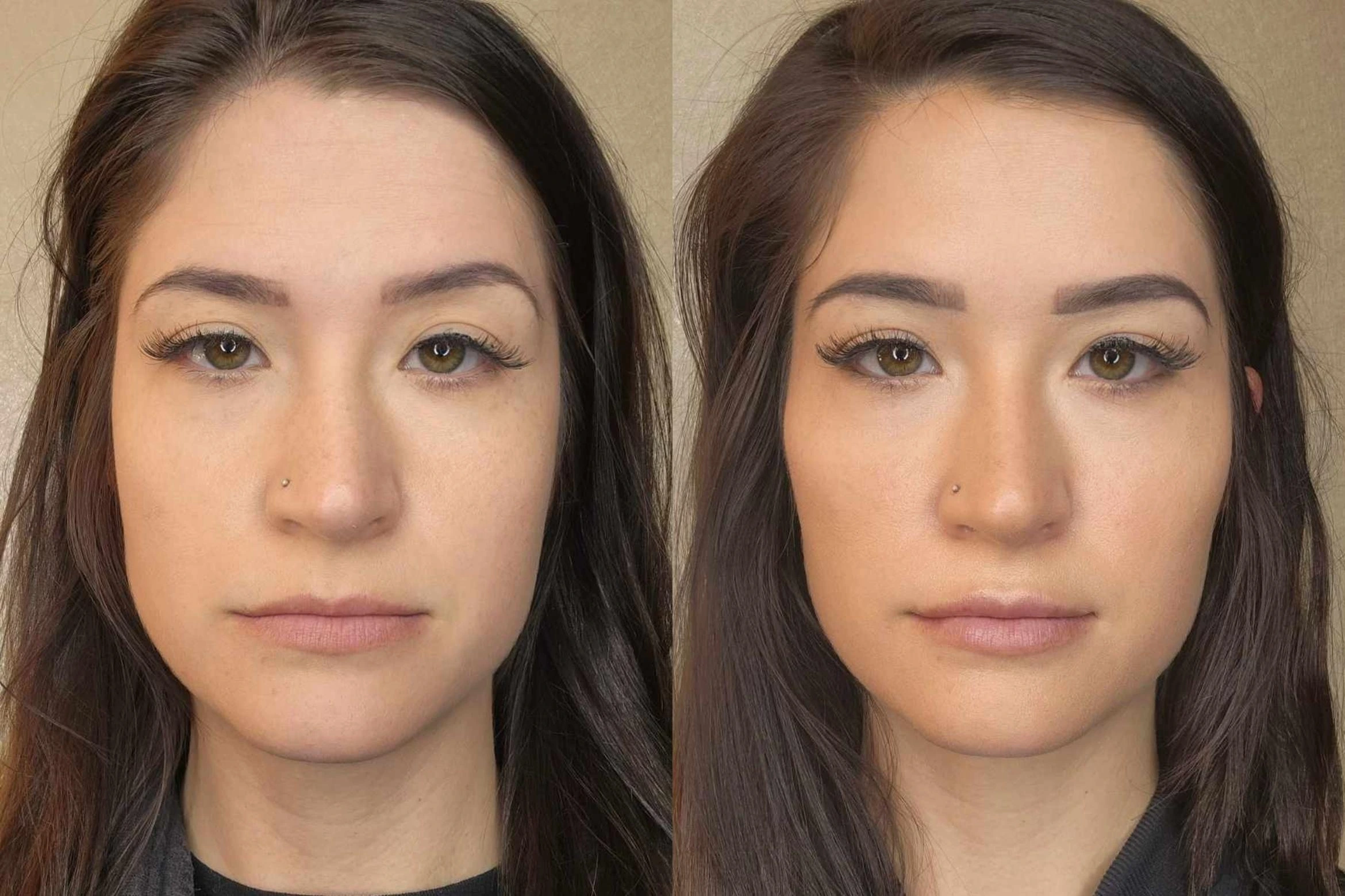
Thin lips can make the mouth look less defined and less balanced with the surrounding features of the nose, chin, and cheeks. Many patients researching lip filler in London want subtle lip enhancement that adds volume and shape without changing their natural facial balance.
At our clinic in London, the procedure uses dermal filler, typically based on hyaluronic acid, to restore lost volume, refine the border, and support a fuller, more proportionate shape. For thin lips specifically, a measured, anatomy-led approach can improve definition while preserving facial harmony.
What Is Thin Lip Filler Treatment?
Thin lip filler treatment is a non-surgical cosmetic procedure in which dermal filler is injected into and around the area to add volume, improve symmetry, and refine the natural shape. It is one of the most frequently requested lip augmentation treatments among patients in London.
The fillers used are predominantly hyaluronic acid-based, a substance that occurs naturally in the body and is widely used across dermal filler treatments because of its compatibility with soft tissue and its reversibility. Hyaluronic acid attracts and binds water, which is part of how it adds soft, hydrated volume to thin lips.
Because hyaluronic acid filler can be dissolved with an enzyme if required, the treatment offers a degree of flexibility that surgical augmentation cannot. This reversibility is one of the reasons non-surgical lip filler has become a widely chosen option for patients seeking volume without a permanent commitment.
Who This Treatment May Suit
The procedure may suit patients with naturally thin or small lips, as well as those noticing a gradual loss of fullness as part of the natural ageing process. Concerns about asymmetry, a less defined border, or reduced plumpness also commonly bring patients to consultation.
Suitability is never assumed and depends on individual anatomy, medical history, and treatment goals established during a face-to-face clinical assessment. Patients must be aged 18 or over, and a personalised treatment plan is only confirmed once these factors have been properly considered.
Enhancing Lip Shape, Volume and Definition
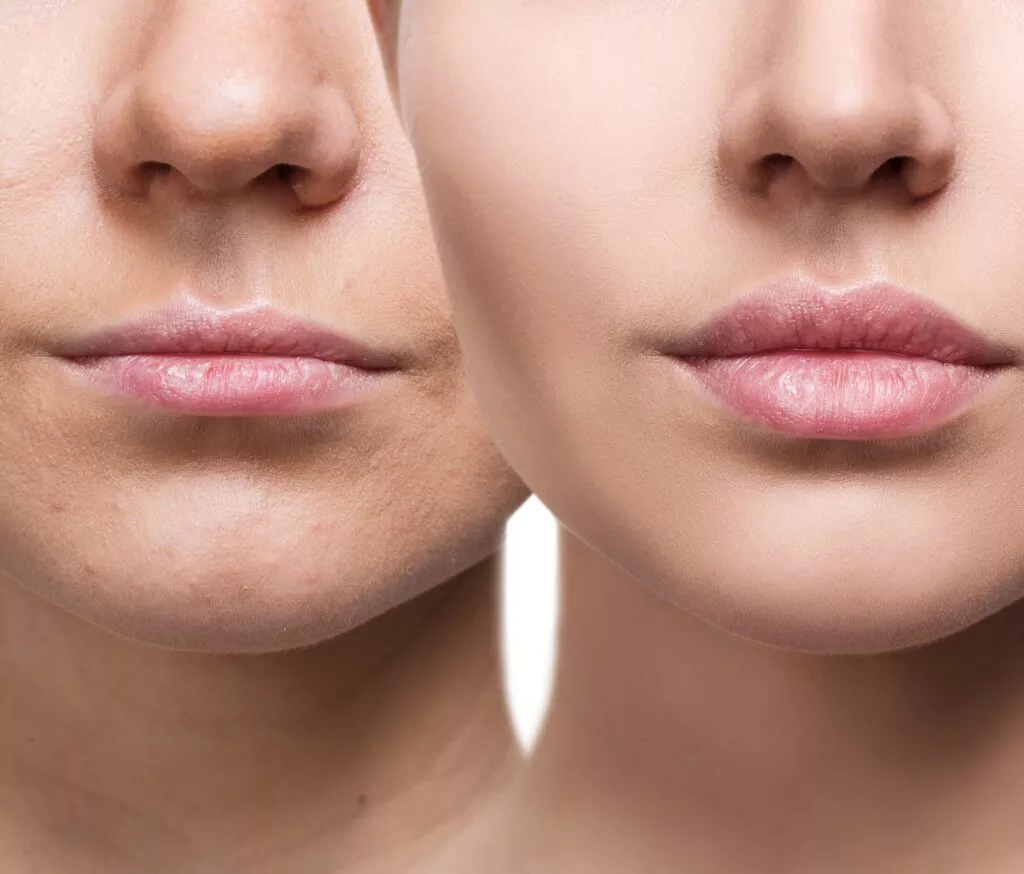
For patients with thin or flat lips, the treatment is intended to improve the appearance of volume while sharpening the definition of the border. The aim is to help thin lips look fuller in a way that remains proportionate to the rest of the face.
Rather than focusing on dramatic enlargement, the technique is designed to enhance natural shape, address minor asymmetry, and create a softer, naturally plump contour. Many patients want subtle enhancement and a fresher appearance rather than an obviously augmented result.
Consultation and Pricing
Suitability, the personalised plan, and final cost are confirmed after an initial consultation and clinical assessment, as pricing depends on anatomy, treatment scope, product volume, and the number of sessions required.
The figures below represent general market guidance only, based on publicly advertised prices reviewed in June 2026 across 10 London clinics. These are not our clinic’s prices and may not reflect consultation fees, product differences, promotional offers, or individual planning.
- 0.5ml treatment: about £150–£285
- 1ml treatment: about £300–£500
- Single treatment area: about £300–£450
- Course of treatment (with review session): about £550–£900
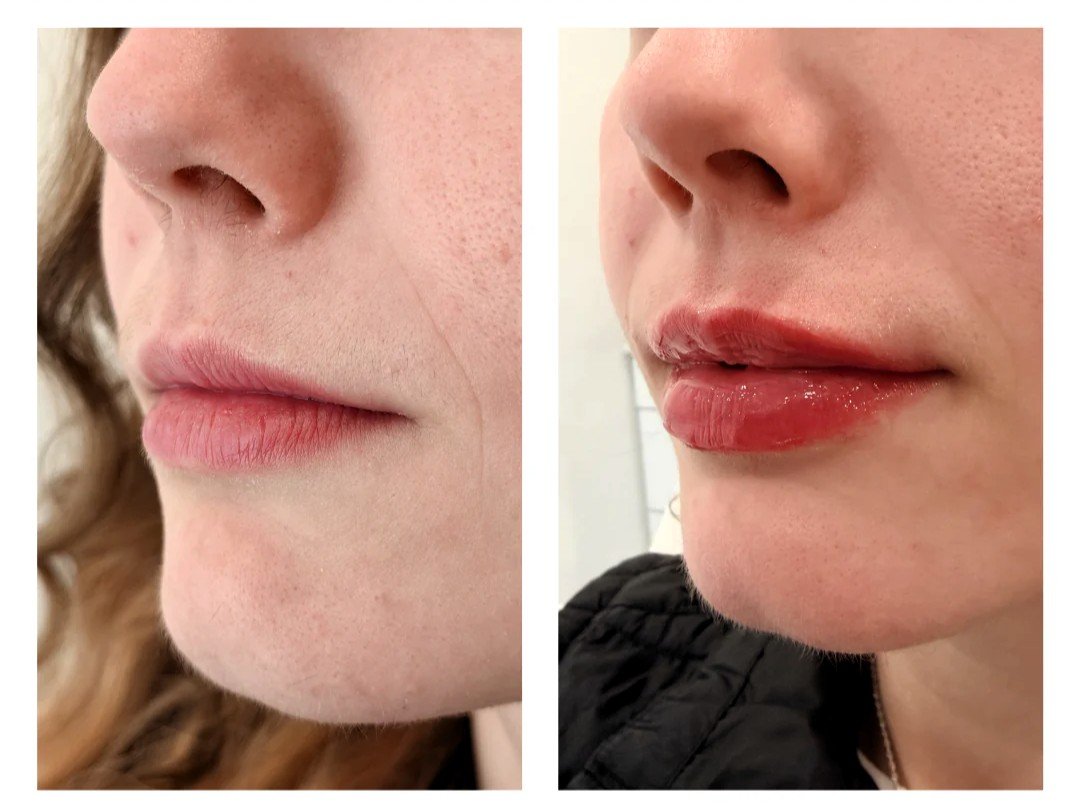
Before and After Thin Lip Filler Treatment
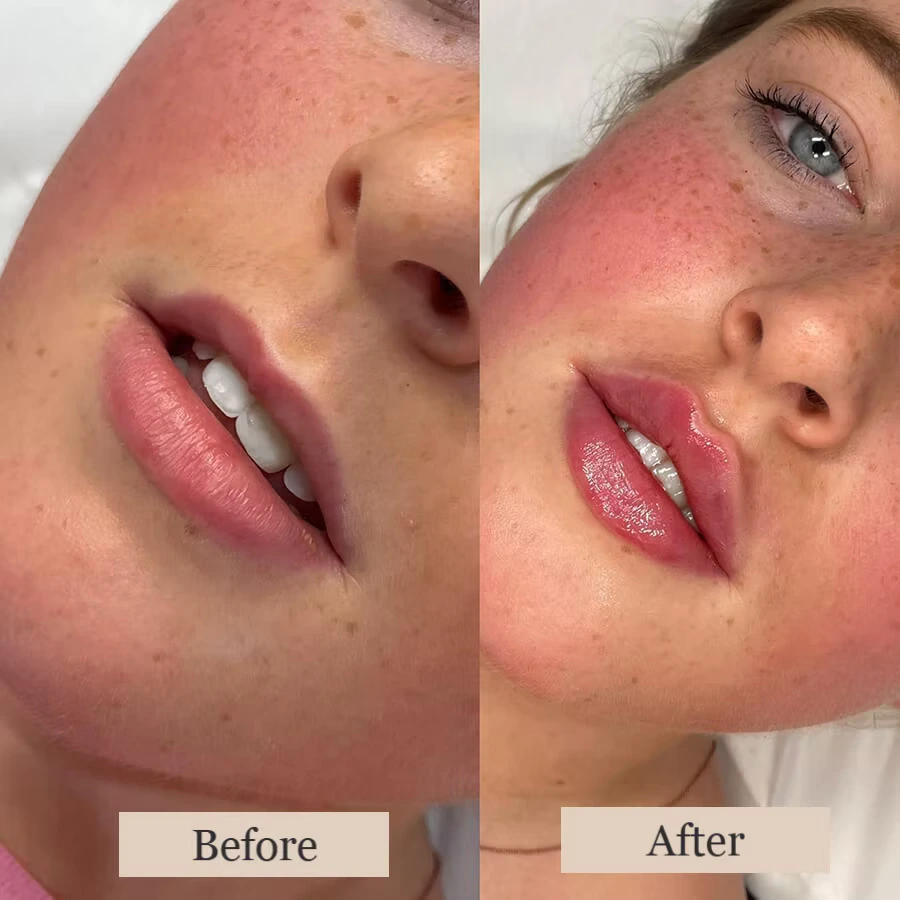
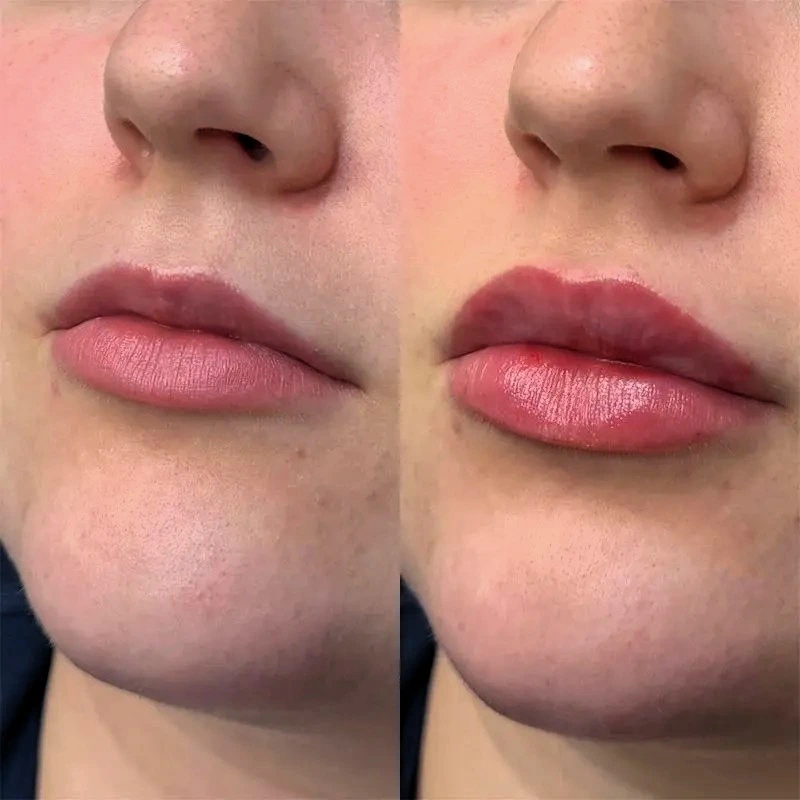
The treatment is intended to visually and structurally improve lip fullness, symmetry, and border definition, with swelling settling over the days following the appointment to reveal a more accurate final shape.
Results vary between individuals, and photographs used in clinic materials represent individual patient outcomes rather than a guaranteed or universal result.
Patients commonly report:
- A fuller, more proportionate shape
- Improved definition along the border
- A softer, more hydrated appearance
- Greater symmetry between the upper lip and lower lip
How Filler Placement Supports Natural Lip Shape
Dermal filler is placed in specific zones of the lip, including the border, the body, and sometimes the philtrum columns, depending on which areas appear underdeveloped. Careful placement is intended to add volume to the lips while respecting the natural proportions.
For thin lips, filler is often distributed to support the vermillion border before adding central volume, helping them look balanced from multiple angles rather than simply larger when viewed from the front.
- Defines the border before adding central fullness
- Supports natural shape rather than overfilling
- Distributes product according to individual anatomy
- Considers proportion to the nose, chin, and cheeks
Results, Longevity and Recovery
Initial volume is visible immediately, although final results are usually assessed once swelling has settled, typically within one to two weeks. Most patients return to normal activities the same day.
How long fillers last varies depending on the product used and individual metabolism. Results commonly remain visible for around six to twelve months, after which maintenance may be considered.
- Initial results: visible immediately after the procedure
- Settled appearance: usually within one to two weeks
- Typical duration: around six to twelve months
- Recovery: minimal downtime; mild swelling or bruising may occur
Safety, Risks and Important Considerations
Dermal filler treatment for thin lips requires careful clinical assessment, an appropriate choice of product, a clear understanding of anatomy, and fully informed consent before proceeding. Suitability is never assumed without consultation.
As with any injectable treatment, side effects and complications can occur, and lip filler should never be considered entirely risk-free. Swelling or bruising is common, and rarer but more serious complications are also possible, which is why clinical assessment matters.
Consideration | Why It Matters | What Is Usually Assessed |
Vascular anatomy of the lips | Incorrect injection near blood vessels can cause serious complications | Individual lip and perioral vascular structure |
Product choice and volume | Different fillers behave differently within the tissue | Lip thickness, elasticity, and treatment goals |
Medical history | Certain conditions or medications may affect suitability | Allergies, previous reactions, current medications |
Swelling or bruising | Common short-term effects that vary between patients | General health, skin sensitivity, lifestyle factors |
Reversibility | Hyaluronic acid filler can usually be dissolved if required | Suitability for hyaluronidase if a correction is needed |
Why Choose London Aesthetics for Lip Filler Treatment
London Aesthetics approaches thin lip filler treatment as a considered clinical procedure, built around individual anatomy rather than a standardised cosmetic package.

Our Specialists and Clinical Team
Treatment is delivered by a small, experienced clinical team working to a consistent standard of safety, technique, and patient assessment.
- Angelika is a fully insured UK aesthetic practitioner with over 8 years of international medical experience, combining advanced technique with strict UK safety standards.
- Dr. Ivan, a GMC-registered prescriber, provides the required face-to-face consultation and issues prescriptions for prescription-only products where clinically appropriate.

Personalised Treatment Planning
Every treatment plan reflects individual anatomy, facial proportions, and aesthetic goals, with suitability confirmed only after a thorough clinical assessment.

Safety, Prescribing and Medical Standards
Angelika practises under full UK certification and insurance for injectable treatments, while prescription-only products are issued exclusively through Dr. Ivan’s GMC-registered prescribing pathway.

Natural-Looking Results and Facial Balance
The clinical approach favours subtle, structured outcomes that add volume to the lips while preserving overall facial balance and proportion.

Aftercare and Ongoing Support
Clear aftercare guidance is provided following the procedure, along with the option of a review appointment to assess healed results and discuss any further requirements.
- Consultation-led approach for every patient
- Insured, UK-certified injectable technique
- GMC-registered prescribing where required
- Focus on natural, proportionate results
- Structured aftercare and follow-up support
Angelika is an aesthetic practitioner rather than a medical doctor. Dr. Ivan, a GMC-registered prescriber, provides face-to-face consultation and prescribing for prescription-only products where clinically required. Treatment is available only to patients aged 18 and over.
Frequently Asked Questions
What does thin lip filler treatment do?
Thin lip filler treatment uses dermal filler, typically containing hyaluronic acid, to add volume and definition to lips that appear naturally thin or have lost fullness over time. The product is injected into specific areas to support a fuller shape and a more defined border. The technique is tailored to individual lip anatomy rather than applied as a single fixed approach. Many patients seek this treatment to achieve a softer, more proportionate appearance without surgery, and the overall aim is a natural look rather than a dramatic transformation.
Who is usually a suitable candidate for thin lip filler treatment?
Suitable candidates are typically adults aged 18 or over who are concerned about thin lips, reduced volume, or asymmetry, and who are in good general health with no contraindications to injectable treatment. Suitability always depends on individual anatomy, medical history, and aesthetic goals, which is why a clinical assessment is required before any treatment is agreed. Patients with certain medical conditions, allergies, or who are pregnant or breastfeeding may not be suitable candidates. A consultation allows the clinical team to confirm whether the treatment is appropriate for each individual case.
How painful is thin lip filler treatment?
Discomfort levels vary between individuals, though most patients describe the sensation as mild rather than significantly painful. A topical anaesthetic, or numbing cream, is typically applied to the area in advance to help minimise sensation during the injection process. Some patients report brief stinging or pressure around the border, where the tissue is more sensitive.
How long do thin lip filler treatment results usually last?
Results from the procedure commonly last between six and twelve months, although this varies depending on the specific product used, individual metabolism, and how actively the lips move during speech and expression. Because it is a high-movement area, filler tends to break down somewhat faster here than in other facial regions. Many patients choose to schedule maintenance sessions every six to nine months to sustain their preferred level of fullness. A clinical assessment during consultation can help establish realistic expectations for longevity based on individual factors.
Are there risks or side effects with thin lip filler treatment?
As with any injectable procedure, thin lip filler treatment carries potential risks and considerations that patients should understand before proceeding. Commonly reported effects include temporary swelling, bruising, tenderness, or mild lumpiness, which generally resolve within days. Rarer but more serious complications, including vascular issues, can occur, which is why thorough anatomical assessment and a properly qualified practitioner are essential. Treatment should never be considered entirely risk-free, and informed consent is obtained only after a full discussion of these considerations during consultation.
Is there any downtime after the thin lip filler treatment?
Downtime after the procedure is generally minimal, and most patients are able to return to their usual daily activities shortly after their appointment. Some swelling, tenderness, or visible bruising in the lip area is common during the first 24 to 48 hours and is considered a normal part of the recovery process. Strenuous exercise and excessive heat exposure are usually best avoided for a short period following treatment. Detailed aftercare advice is provided after every session to support comfortable healing and optimise the settled appearance.
Can thin lip filler treatment be dissolved or reversed?
Most fillers used for thin lip treatment are hyaluronic acid-based, which means they can usually be dissolved using an enzyme called hyaluronidase if a correction or reversal is clinically required. This reversibility is one of the reasons hyaluronic acid fillers are widely chosen over more permanent alternatives. Whether dissolving is appropriate depends on individual circumstances and is assessed by the clinical team on a case-by-case basis. Patients considering treatment can discuss this option during their consultation as part of understanding the full range of available choices.
How is the right treatment plan decided?
The right treatment plan is decided through a detailed face-to-face consultation that considers lip anatomy, facial proportions, medical history, and the patient’s individual aesthetic goals. The clinical team assesses thickness, symmetry, and the surrounding facial structure before recommending a suitable approach and product volume. This personalised process ensures that the treatment plan reflects what is realistic and appropriate for that specific patient, rather than a standardised package. Ongoing review appointments may also factor into how the plan develops over time.