
Exosomes Hair Loss Treatment in London
Hair thinning often reflects reduced follicle activity, diminished scalp circulation, and a shortened natural hair cycle rather than a single, isolated cause. Exosome therapy is designed to support these underlying processes through targeted scalp delivery.
At London Aesthetics, exosome hair therapy is provided as a structured exosome treatment in London, intended to support follicle health and encourage a more favourable environment for natural hair growth over a planned course of sessions. For patients struggling with hair loss and thinning, this exosome solution offers a regenerative alternative to more invasive restoration or skin rejuvenation procedures.
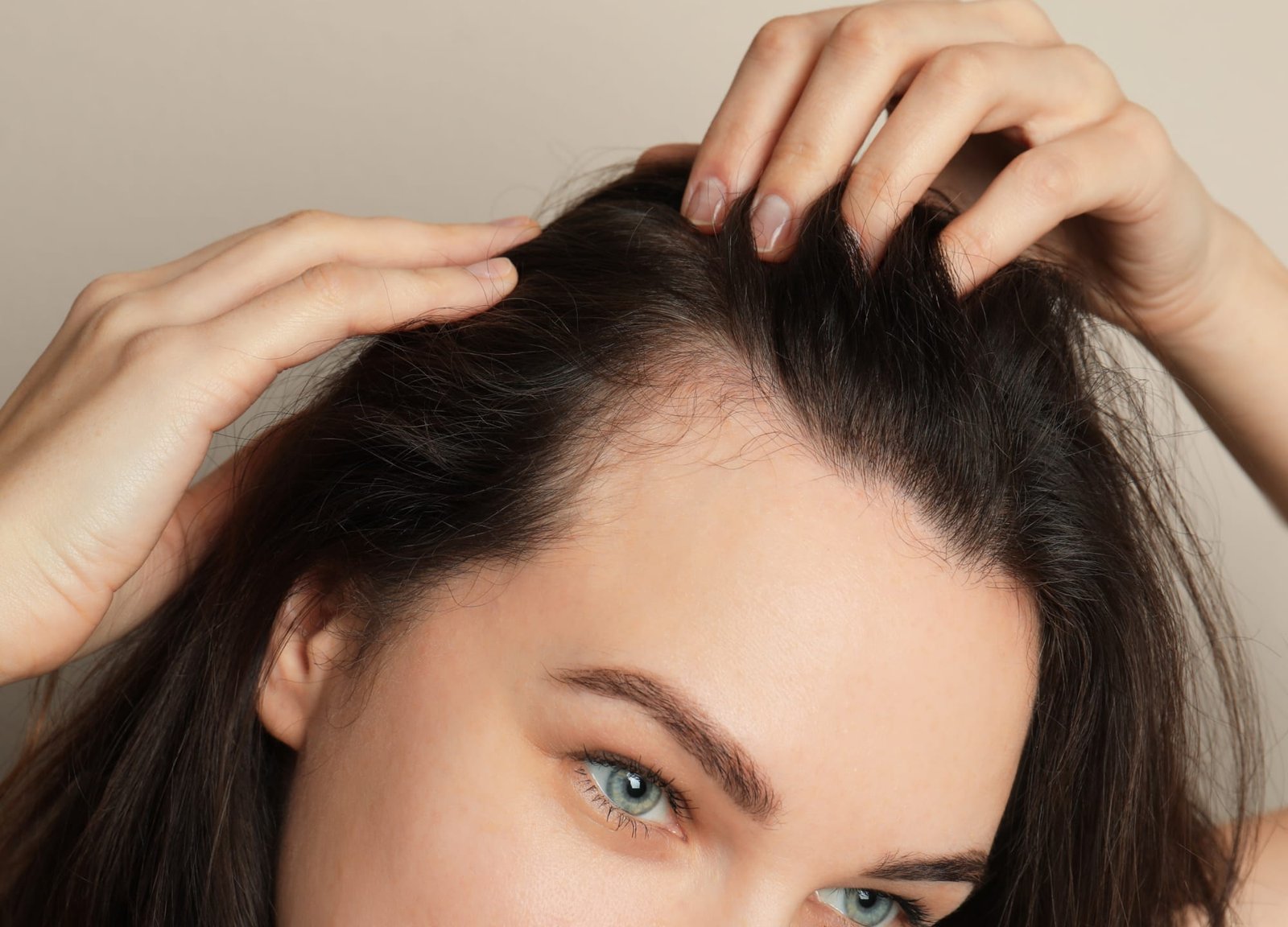
What Is Exosome Hair Therapy?
Exosomes are tiny, naturally occurring extracellular vesicles released by cells as part of normal biological communication. In aesthetic and regenerative practice, exosomes for hair are typically derived from mesenchymal stem cell sources, with some exosome products instead using salmon-derived exosomes or plant-based origins.
These vesicles deliver growth factors, proteins, and signalling molecules that may help support the scalp environment, encourage follicle activity, and contribute to the natural cycle. Understanding how exosomes work helps explain why exosome therapy for hair restoration is positioned as a regenerative, cell-signalling approach rather than a surgical or pharmaceutical intervention.
Key characteristics of exosome hair therapy:
- Cell-free regenerative vesicles, not live stem cells
- Carry growth factors and cell-signalling molecules that target follicles directly
- May use autologous exosomes (MCT exosomes produced from the patient’s own cells), mesenchymal-derived exosomes, or salmon-derived exosomes
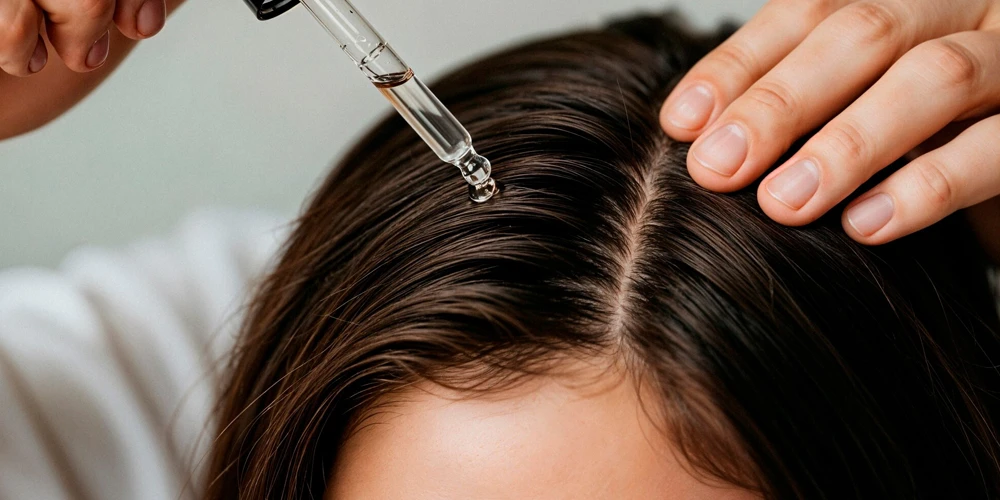
- Delivered via scalp micro-injection or microneedling into the scalp
- Often considered alongside PRP as part of a broader regenerative protocol
Who This Treatment May Suit
Exosome hair loss treatment may be considered by adults experiencing early to moderate thinning, reduced density, or dormant hair follicles where some follicular activity remains. It is not typically suitable where complete follicular fibrosis is present.
Suitability depends on scalp condition, hair loss patterns, medical history, and treatment goals, all of which are assessed during a face-to-face consultation before any specific treatment is recommended or planned.
Supporting Scalp Health and Thinning Hair Concerns
Many patients struggling with hair loss are seeking an approach that addresses scalp condition rather than masking visible thinning. Exosome therapy is intended to support a healthier scalp environment as part of a longer-term treatment journey toward stronger, fuller hair.
By targeting hair follicles directly, the protocol is designed to complement the existing hair cycle rather than override it, with response to treatment depending on individual severity, scalp condition, and consistency across the agreed treatment plan.
Consultation and Pricing
Treatment suitability, the personalised plan, and final cost are confirmed after consultation and clinical assessment, with pricing reflecting treatment area, protocol type, session count, and individual complexity.
The figures below represent general market guidance only, based on publicly advertised prices reviewed in June 2026 across 10 London clinics. These are not our clinic’s prices and may not include consultation fees, promotional pricing, product variant, or individual treatment planning.
- Per session: about £300–£600
- Course of 3 sessions: about £800–£1,800
- Combined with microneedling per session: about £350–£650
- Scalp protocol (higher-concentration formulation): about £450–£1,050
Before and After Exosomes for Hair
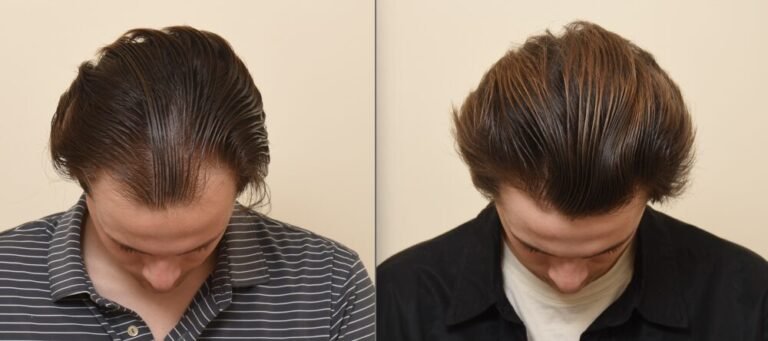
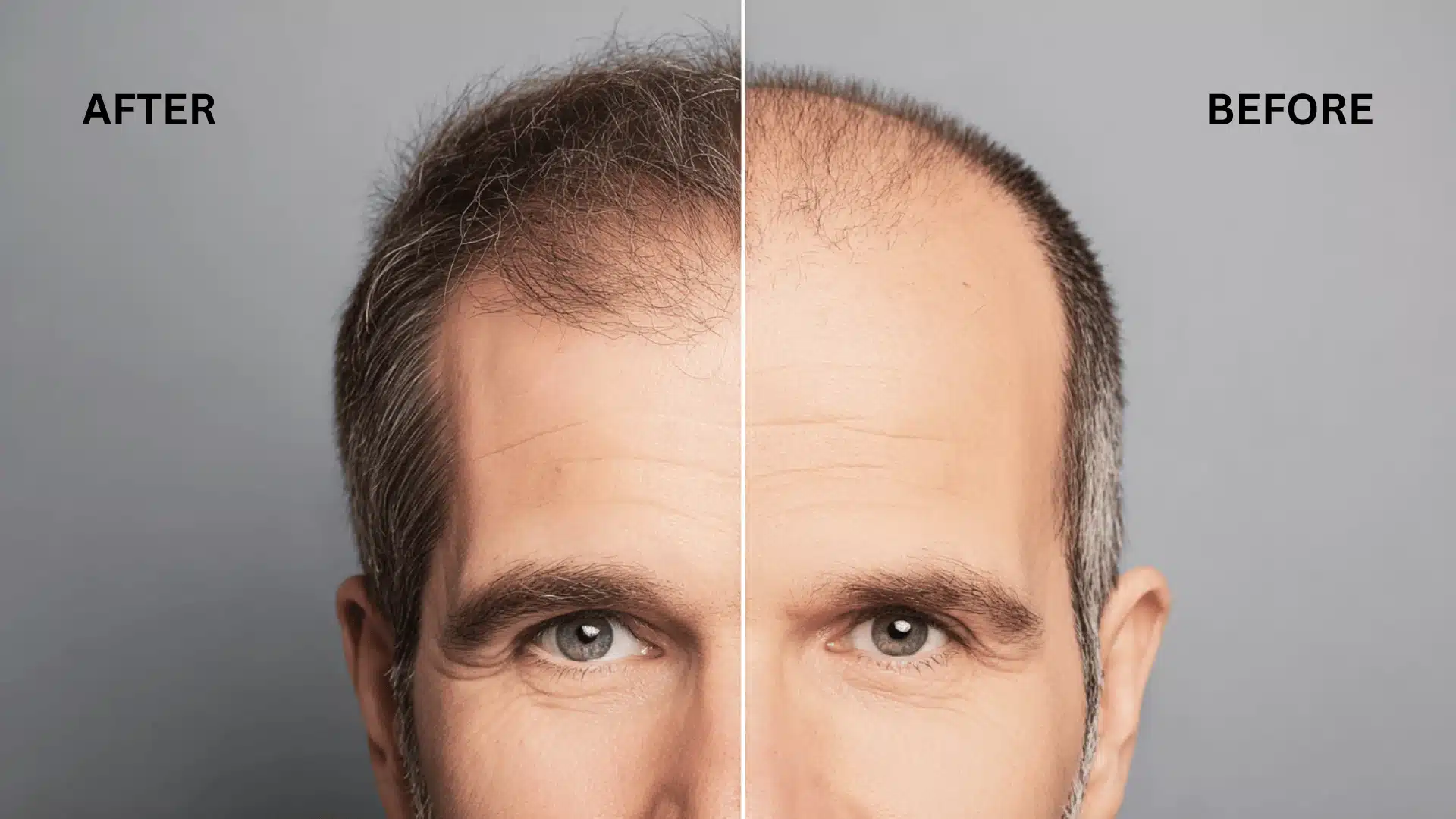
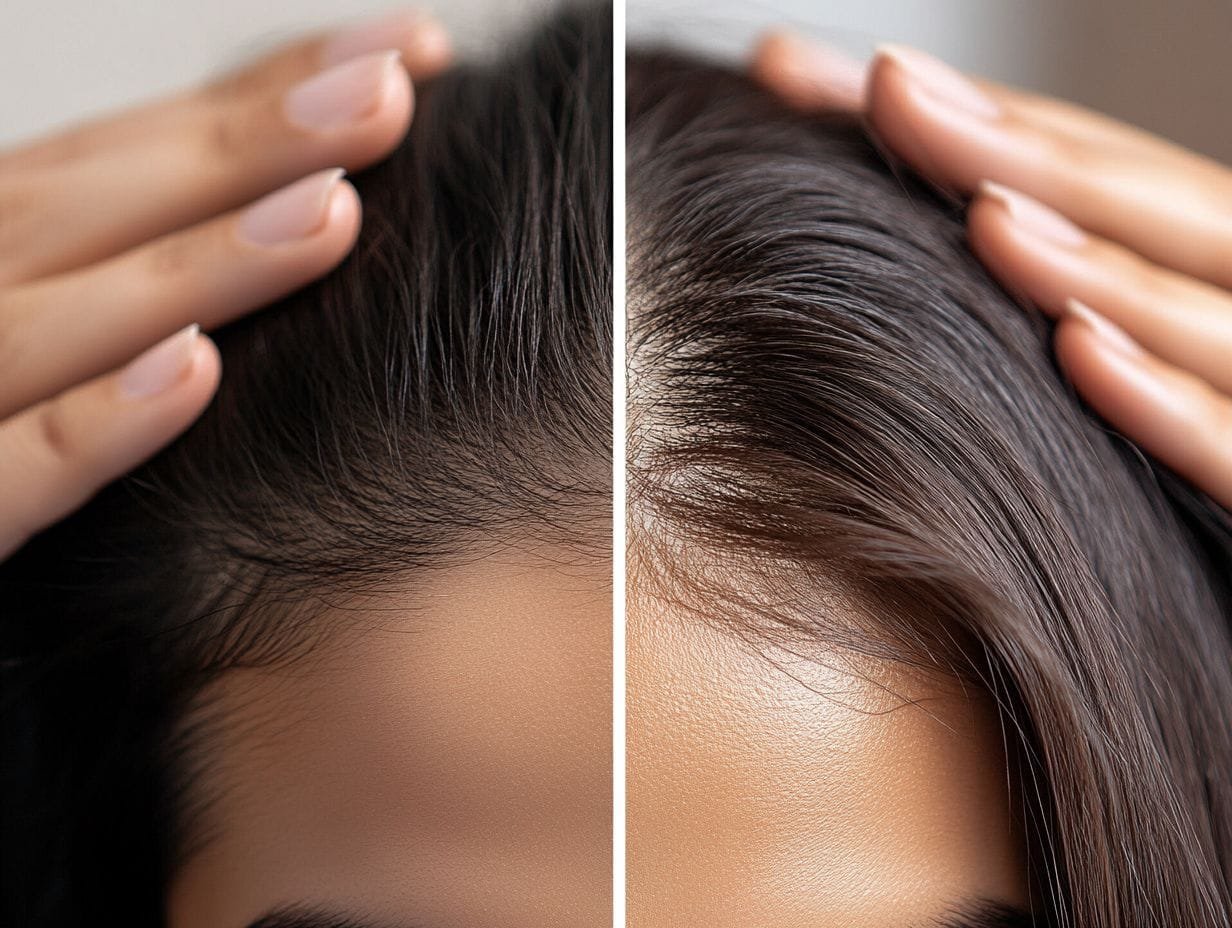
Exosome scalp treatment is intended to support visible improvements in quality gradually, as follicle activity and scalp condition respond over the course of treatment. Outcomes vary between individuals and are not guaranteed.
Patients may typically notice:
- Reduced shedding and improved scalp comfort
- Gradual improvement in existing strength
- Progressive support for denser, fuller hair over time
- Improved overall condition as the course progresses
How Regenerative Signalling May Support Follicle Activity
The science behind exosome therapy centres on how exosomes act once delivered into the scalp. Exosomes deliver growth factors directly to dermal papilla cells, which may help activate dormant follicles and support cell proliferation within the treatment area.
This regenerative exosome signalling is intended to work with the natural hair cycle, supporting new hair growth and a more favourable environment for regrowth rather than producing an immediate structural change.
Results, Longevity and Recovery
Early changes, such as reduced shedding, may become noticeable within several weeks, while fuller results affecting density and overall hair quality tend to develop progressively over a course of sessions spaced four to six weeks apart.
Recovery is typically minimal, with mild scalp sensitivity possible for a short period; maintenance sessions may be discussed during consultation to help support treatment outcomes over the longer term.
- Early changes: often within 2–4 weeks
- Fuller results: typically over 2–4 months
- Longevity: variable; maintenance may be recommended
- Recovery: minimal downtime; mild scalp sensitivity possible
Safety, Risks and Important Considerations
Exosome hair therapy requires careful clinical assessment, correct indication, and an appropriately selected protocol. While exosome therapy is considered safe for many appropriately screened patients, it is not considered suitable for everyone, and individual response, scalp condition, and medical history must be reviewed before treatment.
As with any scalp injection or microneedling-based procedure, side effects, limitations, and variability of response exist; the treatment should never be regarded as risk-free or guaranteed to suit every patient.
Consideration | Why It Matters | What Is Usually Assessed |
Scalp condition | Active infection or inflammation may affect suitability | Visual scalp examination and history of scalp disorders |
Medical history | Certain conditions may affect candidacy | Autoimmune status, pregnancy, malignancy, and clotting disorders |
Hair loss pattern | Determines realistic expectations | Pattern, severity, and presence of functional follicles |
Medication use | Some medications may affect bleeding risk | Blood-thinning or immunosuppressive therapy |
Why Choose London Aesthetics for Exosome Therapy
In the heart of London, treatment at London Aesthetics is built around individual clinical assessment rather than a fixed package, with protocols selected to match scalp condition and patient goals and to help achieve the best possible outcomes.

Our Specialists and Clinical Approach
Each treatment plan draws on internationally informed technique, delivered within UK safety and prescribing standards by a clinic in London committed to consultation-led care.
- Angelika is a fully insured UK aesthetic practitioner with over 8 years of international medical experience, holding an overseas medical degree and practising under full UK certification and insurance.
- Dr. Ivan, a GMC-registered prescriber, provides the required face-to-face consultation and issues prescriptions for prescription-only products where clinically appropriate.
Evidence-Based Regenerative Medicine
Exosome protocols, whether for hair and skin applications or scalp-specific concerns, are selected with reference to current regenerative medicine literature rather than trend-led packages.

Personalised Protocols and Treatment Selection
Scalp assessment, hair loss pattern, and patient goals inform a personalised treatment plan rather than a standardised, one-size-fits-all protocol.

Safety, Prescribing and Clinical Standards
Angelika practises under full UK certification and insurance, with Dr. Ivan providing prescribing oversight for prescription-only products where clinically required.

Natural-Looking Results and Long-Term Support
The clinical focus remains on subtle, structured improvement and ongoing review rather than rapid or dramatic transformation.
What distinguishes our approach:
- Over 8 years of international medical experience, informing clinical technique
- GMC-registered prescribing oversight from Dr. Ivan where clinically required
- Personalised treatment planning confirmed through clinical assessment
- Evidence-conscious, consultation-led protocols throughout the treatment journey
Angelika is an aesthetic practitioner rather than a medical doctor. Where prescription-only products are clinically appropriate, Dr. Ivan, a GMC-registered prescriber, provides the necessary face-to-face consultation and prescribing. Treatment is available only to patients aged 18 and over.
Frequently Asked Questions
What does exosome hair therapy do?
Exosome therapy delivers regenerative signalling molecules into the scalp with the aim of supporting follicle activity and the natural hair cycle. The treatment is not a guaranteed cure for hair loss, and individual response varies according to scalp condition, severity of thinning, and overall health. It is generally considered alongside other regenerative approaches, such as PRP, as part of a broader restoration strategy discussed during consultation with your practitioner before any protocol is agreed.
Who is usually a suitable candidate for exosome hair therapy?
Adults experiencing early to moderate hair thinning, reduced density, or dormant follicles with some remaining activity may be suitable candidates. Suitability depends on scalp condition, hair loss pattern, and medical history, all reviewed during a thorough consultation. The treatment may not be appropriate for those with active scalp infection, certain autoimmune conditions, pregnancy, or complete follicular fibrosis. A personalised assessment determines whether exosome therapy or an alternative approach better suits your individual circumstances and goals.
How painful is exosome hair therapy?
Discomfort during exosome hair therapy is generally described as mild and brief. A topical anaesthetic may be applied beforehand, particularly when the treatment is combined with microneedling, to help minimise sensation. Micro-injection delivery into the scalp may produce a short stinging sensation at each injection point. Most patients describe the procedure as tolerable overall, and your practitioner can adjust technique and pacing throughout the session to support your comfort during treatment.
How long do exosome hair therapy results usually last?
Results vary between individuals and depend on the severity of hair loss, number of sessions completed, and ongoing scalp health. Many patients who complete a full course report sustained improvements in quality and density for several months following treatment. Maintenance sessions are often recommended to help support results over the longer term. A clinical assessment during consultation helps establish realistic expectations specific to your hair loss pattern and the treatment plan agreed with your practitioner.
Are there risks or side effects with exosome hair therapy?
As with any scalp injection or microneedling-based procedure, exosome hair therapy carries potential risks and considerations, including mild redness, sensitivity, or swelling at the treatment site. It is not suitable for everyone; certain scalp conditions, autoimmune disorders, pregnancy, or blood clotting issues may affect candidacy. A thorough medical history review during consultation helps identify whether the treatment is appropriate. Your practitioner will discuss possible side effects and limitations before any treatment proceeds.
Is there any downtime after exosome hair therapy?
Downtime after exosome hair therapy is generally minimal. Some patients experience mild scalp sensitivity, redness, or slight swelling for a short period following the session, which usually resolves within a day or two. Most individuals are able to resume normal daily activities shortly afterwards. Specific aftercare guidance is provided at the end of each session to support scalp comfort and recovery. Your practitioner will advise on any temporary precautions relevant to your particular treatment area.
Can exosome hair therapy be reversed, stopped, or adjusted if needed?
Exosome hair therapy is not reversed in the way an injectable filler might be dissolved, since it works through gradual biological signalling rather than physical volume placement. However, session frequency, protocol type, and future maintenance can be adjusted at any stage based on clinical response and patient preference. If treatment is not producing the anticipated response, your practitioner can reassess the plan, modify the approach, or discuss alternative options during a follow-up consultation.
How is the right exosome treatment plan decided?
The right treatment plan is decided through a thorough consultation that reviews scalp condition, hair loss pattern, medical history, and personal goals. Your practitioner assesses follicle activity and overall scalp health before recommending a specific protocol, session count, and spacing. Factors such as whether microneedling is combined with the exosome treatment, or whether a higher-concentration scalp formulation is appropriate, are considered individually. London Aesthetics, in the heart of London, invites patients ready to explore exosomes vs other restoration options to contact London today to schedule a personalised consultation.