Hyperhidrosis Botox Treatment in London
Excessive sweating can affect confidence, clothing choices, and daily routine, particularly when it involves the underarms, hands, or feet. Botox for excessive sweating is a consultation-led treatment option that may help reduce sweating in the treated area.
At London Aesthetics, hyperhidrosis treatment in London is delivered through structured clinical assessment, with prescribing handled by a GMC-registered prescriber where required. Suitability and outcomes are assessed individually, and results vary between patients.
What Is Botox for Hyperhidrosis?
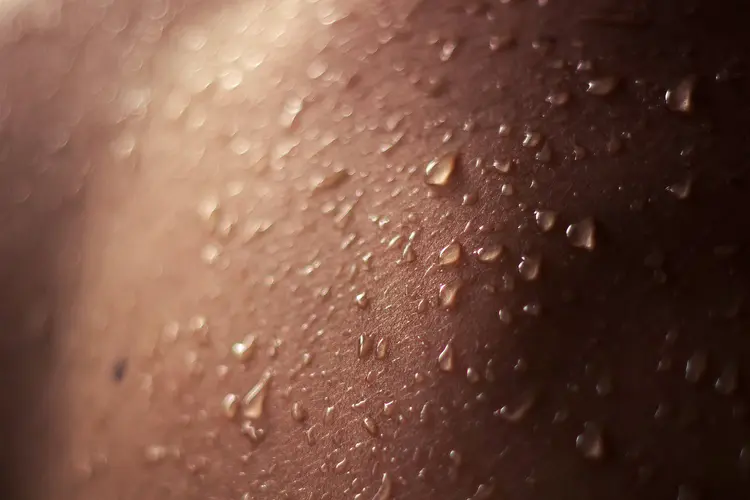
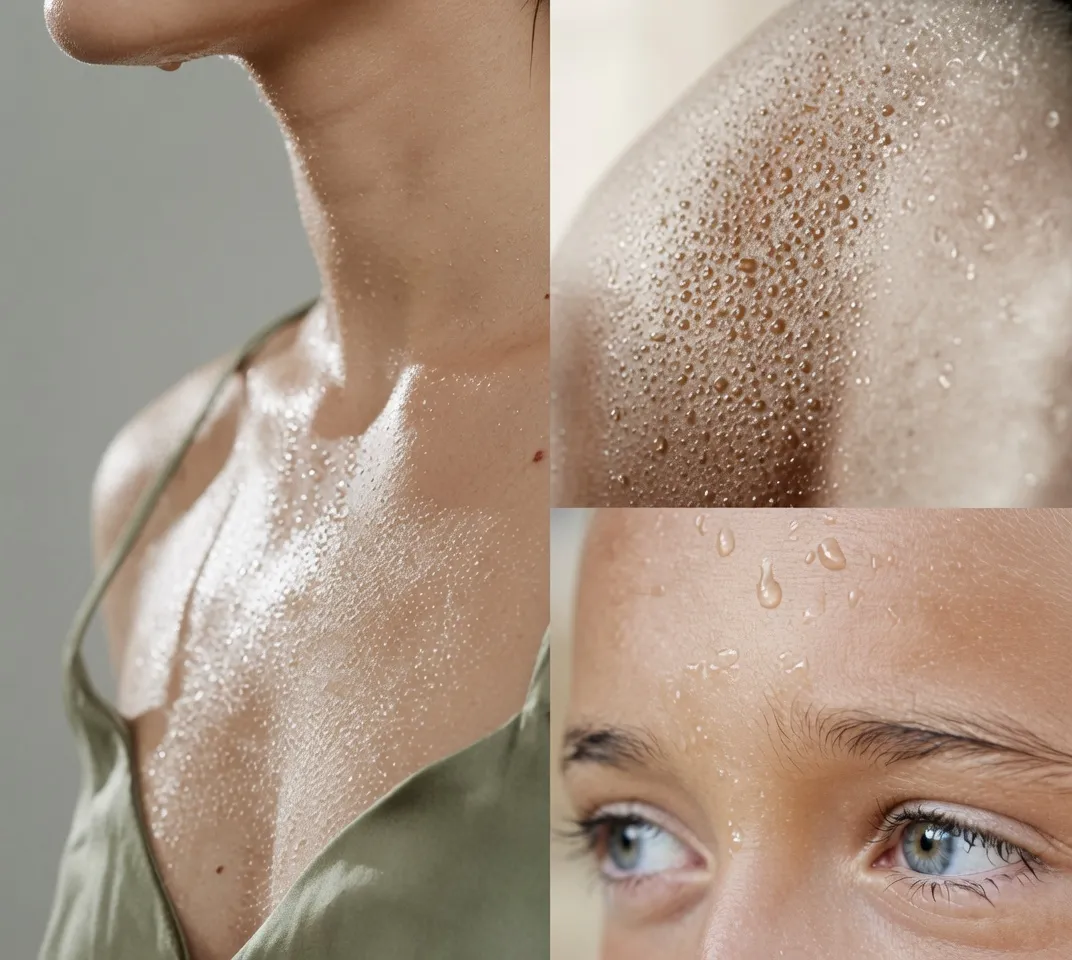
Hyperhidrosis is a medical condition in which the sweat glands produce more sweat than the body needs for temperature regulation. Excessive sweating, known as hyperhidrosis, can occur even without heat, exercise, or anxiety as a trigger.
Botox is a prescription-only botulinum toxin treatment used in medical practice to help manage excessive sweating. When injected into the area, it is designed to help reduce excessive sweating by temporarily interrupting the nerve signals causing excessive sweating in that area.
Because botulinum toxin is a prescription-only medicine, treating hyperhidrosis with this approach always requires face-to-face consultation and prescribing by a suitably qualified clinician before any injections take place.
Who This Treatment May Suit
Botox for hyperhidrosis may be considered by adults who experience excessive sweating that has not responded well to standard antiperspirants, which are often considered a first-line treatment before injectable options are explored.
Suitability depends on the type of hyperhidrosis, medical history, the pattern and severity of sweating, and findings from face-to-face clinical assessment carried out before any treatment plan is agreed.
Concerns patients commonly raise during consultation:
- Persistent or severe underarm sweating affecting clothing or confidence
- Excessive underarm sweating despite antiperspirant use
- Excessive sweating on the hands or feet
- Primary focal hyperhidrosis with no identified underlying cause
- Secondary hyperhidrosis linked to another medical factor requiring separate assessment
Managing Sweating Concerns Through Clinical Assessment
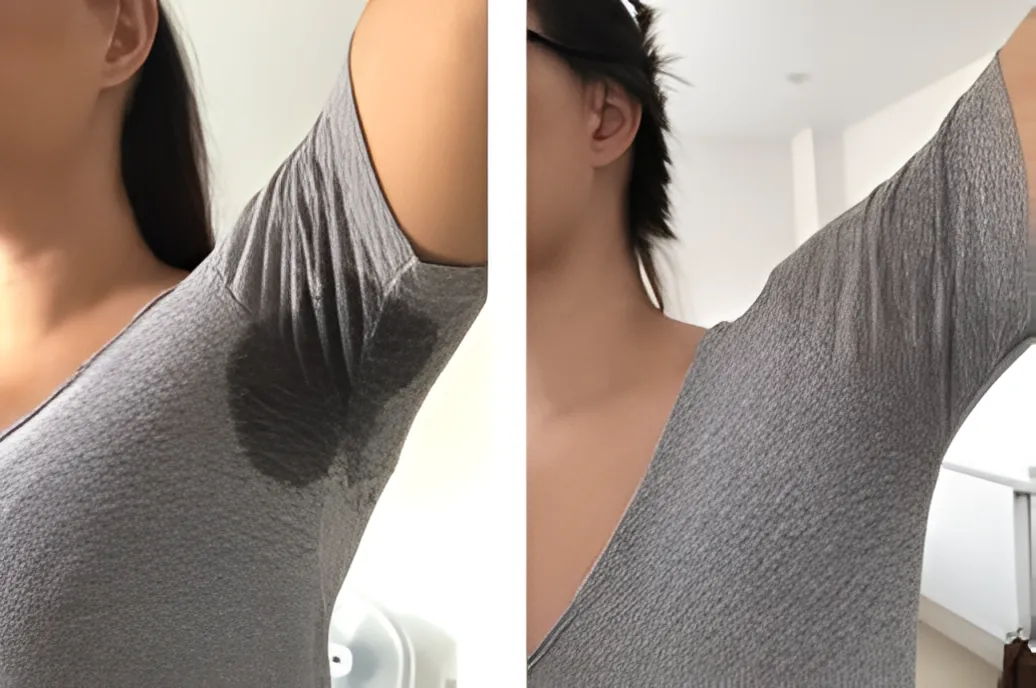
In many cases of hyperhidrosis, sweating is localised to a specific area such as the underarms; this is generally described as primary axillary hyperhidrosis, the most commonly treated pattern in aesthetic and medical practice.
In generalised hyperhidrosis, sweating affects larger areas of the body, and this type of hyperhidrosis is usually assessed differently to focal, localised sweating, sometimes requiring input beyond a single treatment area.
Consultation and Pricing
Treatment suitability, the personalised plan, and final cost are confirmed after consultation and clinical assessment, with pricing depending on anatomy, treatment scope, number of areas, and session complexity.
The figures below represent general market guidance only, based on publicly advertised prices reviewed in July 2026 across 10 London clinics, and are not our clinic’s prices; they may not include consultation fees, prescribing requirements, or individual planning.
London market guide — Botox for Hyperhidrosis
- Underarm treatment, single session: about £400–£650
- Hands or feet (specialised treatment area): about £550–£800
- Consultation and assessment: about £50–£150
- Follow-up or top-up session: about £300–£500
The cost of Botox for hyperhidrosis varies between clinics and is confirmed individually rather than quoted as a fixed or guaranteed figure.
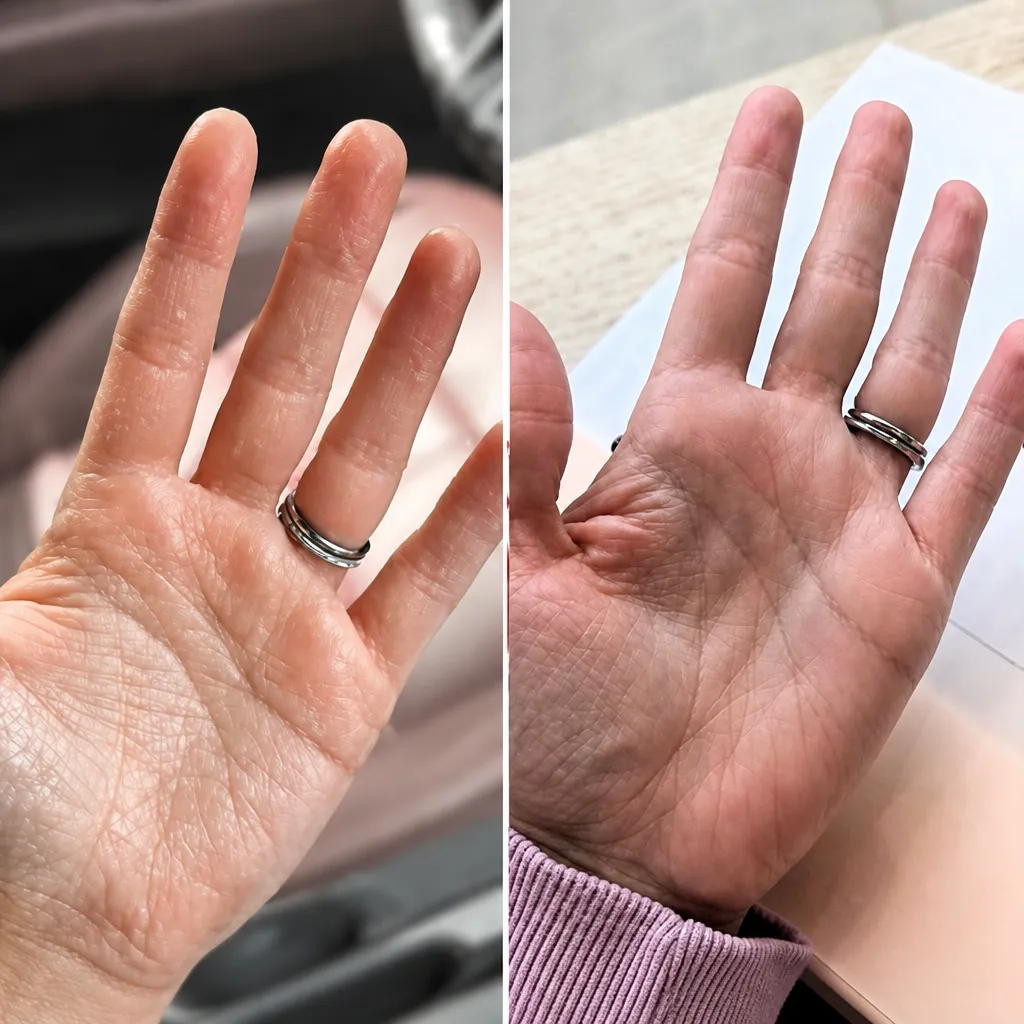
Before and After Botox Treatment
Botox for hyperhidrosis is intended to help reduce excessive sweating in the treated area, rather than eliminate perspiration from the body as a whole. Photographs and patient reports represent individual outcomes, and results vary between individuals.
What patients commonly report noticing as results develop:
- A reduction in sweating within the first week of treatment for some patients
- Fewer concerns about visible sweat marks on clothing
- A noticeable reduction in sweating for 4-6 months in many cases
- Greater comfort in social or professional situations
- A gradual return of sweating as the effect wears off, at which point the procedure can be repeated following further assessment
How Clinical Assessment Guides Treatment for Sweating Concerns
Before any injections are planned, the clinical team assesses the cause of excessive sweating, its severity, and its distribution, to determine whether Botox hyperhidrosis treatment is an appropriate option.
Small amounts of Botox are then injected across the affected area in a grid-like pattern, with the number of injections adjusted according to the size of the treatment area and individual anatomy. Botox works by targeting the nerves that control sweating; it is designed to reduce sweating by blocking the signals that activate the sweat glands, so that the treated glands are less active for a period of time.
Treatment Focus | What Is Usually Assessed | Intended Effect |
Underarm treatments | Distribution and severity of axillary hyperhidrosis, prior antiperspirant use | May help reduce excessive sweating in the treated area |
Hands or feet | Skin sensitivity, sweating pattern, functional impact | May help reduce sweating, with more cautious, gradual dosing |
General suitability | Medical history, secondary causes, medication use | Informs whether treatment for excessive sweating is appropriate |

Results, Longevity and Recovery
Some patients notice a reduction in sweating in the treated area within the first week of treatment, with fuller effects typically developing over the following one to two weeks.
Days after the procedure, most patients are able to resume normal activities, and a reduction in sweating in the treated area is commonly reported for around 4-6 months before a follow-up session may be considered.
Safety, Risks and Important Considerations
Botox for hyperhidrosis requires face-to-face consultation, appropriate prescribing, and individual treatment planning; it should never be regarded as automatically suitable, guaranteed, or without risk.
As with any injectable treatment, temporary effects such as mild bruising, tenderness, or localised discomfort can occur. The procedure is not typically associated with compensatory sweating in other areas, though individual responses vary and should be discussed at consultation.
Some patients, including those with severe hyperhidrosis or a suspected underlying medical cause, may need further diagnosis and treatment from a doctor before this option is considered appropriate.
Key considerations before treatment:
- Confirmation that antiperspirants and conservative measures have been tried where appropriate
- Assessment for possible secondary hyperhidrosis or other underlying causes of excessive sweating
- Review of medical history, medication, and previous injectable treatments
- Realistic discussion of expected duration and the need for repeat sessions
- Confirmation that the patient is aged 18 or over
Why Choose London Aesthetics for Hyperhidrosis Treatment
London Aesthetics is a standalone clinic in central London offering hyperhidrosis Botox treatment London patients can access through its own in-house clinical team, built around individual assessment rather than a fixed package.
Our Specialists and Clinical Team
Treatment planning at our London clinic draws on both aesthetic technique and medical prescribing oversight, supported where relevant by medical prescribing oversight where required, so each patient is assessed by the right member of the team.
- Angelika is a fully insured UK aesthetic practitioner with over 8 years of international medical experience, delivering treatment within UK safety and certification standards.
- Dr. Ivan is a GMC-registered prescriber who provides the required face-to-face consultation and issues prescriptions for prescription-only products where clinically appropriate.
Responsible Consultation and Treatment Planning
Every consultation covers medical history, sweating pattern, and goals, so that the right treatment is built around individual clinical findings rather than a standard, one-size-fits-all protocol.
Safety, Prescribing and Medical Standards
Prescription-only botulinum toxin is prescribed exclusively by Dr. Ivan following face-to-face consultation. Dosing and treatment areas are confirmed after clinical assessment.
Controlled Treatment Planning and Follow-Up
Angelika’s technique is centred on controlled, precisely placed injections of Botox intended to help reduce excessive sweating in the treated area, while supporting a measured reduction in sweating without over-treatment.
Aftercare and Ongoing Support
Patients receive clear aftercare guidance following treatment, along with advice on managing excessive sweating over the longer term and when a further review may be worthwhile.
What patients can expect from our approach:
- Face-to-face consultation before any treatment is planned
- Clinician-led prescribing for all prescription-only products
- Individually assessed treatment areas and dosing
- Transparent discussion of expected duration and limitations
- Ongoing review to support the treatment of hyperhidrosis over time
Angelika is an aesthetic practitioner rather than a medical doctor, and where prescription-only products are clinically appropriate, face-to-face consultation and prescribing are provided by GMC-registered prescriber Dr. Ivan. Treatment is available only to patients aged 18 and over.
Frequently Asked Questions
What does Botox for hyperhidrosis do?
Botox for hyperhidrosis is designed to help reduce excessive sweating in the treated area by temporarily interrupting the nerve signals that activate the sweat glands. It is most commonly used for underarm treatments, though hands and feet may also be considered. It is not a cure, and undergoing Botox treatment for hyperhidrosis produces results that vary between individuals depending on severity and history.
Who is usually a suitable candidate for Botox for hyperhidrosis?
Suitable candidates are typically adults aged 18 and over who experience excessive sweating that has not responded well to antiperspirants or other conservative approaches. Suitability always depends on medical history, the cause and pattern of sweating, and findings from a face-to-face clinical assessment, since not every case of hyperhidrosis is appropriate for this treatment.
How painful is Botox for hyperhidrosis?
Most patients describe injections of Botox as mildly uncomfortable rather than painful, particularly for underarm treatment, where sensitivity is generally lower than in the hands or feet. A topical anaesthetic may be used for more sensitive areas. Discomfort is usually brief, and the procedure itself is typically completed within around thirty minutes.
Is Botox safe for hyperhidrosis, and are there risks or side effects?
No injectable treatment can be described as completely safe, and Botox for hyperhidrosis is no exception. It is generally well tolerated by many patients, and temporary side effects such as mild bruising, tenderness, or localised discomfort can occur. Suitability is always assessed individually, and potential risks are discussed in full during consultation.
How long do hyperhidrosis treatment results usually last, and can treatment be repeated?
Many patients notice a reduction in sweating within the treated area for approximately 4-6 months, though individual duration varies. As the effect gradually wears off, the procedure can be repeated at appropriate intervals, based on further clinical assessment rather than a fixed schedule.
Is there any downtime after Botox for hyperhidrosis?
Downtime is generally minimal, and most patients return to normal daily activities shortly after treatment. Some mild redness, tenderness, or small bruising at injection sites can occur and usually settles within a few days. Specific aftercare advice, including guidance on antiperspirant use, is provided following each session.
Can Botox for hyperhidrosis be reversed, adjusted, or allowed to wear off if needed?
Botox for hyperhidrosis is not reversed in the way a dissolvable filler can be, but its effects are temporary and wear off naturally over several months. Future sessions can then be adjusted based on how the treated area has responded, allowing the approach to be refined at each review with the clinical team.
How is the right treatment plan decided?
The right plan is decided during a face-to-face consultation, taking into account the pattern and severity of sweating, medical history, previous treatments tried, and the areas affected. Dr. Ivan provides prescribing input where required, while Angelika carries out planning and delivery, so the approach reflects individual clinical findings rather than a fixed protocol.