Botox Treatment in London
Visible lines and wrinkles across the upper face often develop gradually as repeated muscle movement leaves lasting impressions on the skin. Forehead lines, frown lines between the brows, and crow’s feet around the eyes are among the most common concerns that bring patients considering Botox to explore anti-wrinkle treatment for the first time. These changes are natural, but when they begin to affect how rested or approachable you feel you appear, many patients across London — from central areas to east London — start weighing up what injectable options might offer.
Botox treatment — more precisely, treatment using botulinum toxin — works by temporarily causing certain muscles to relax, with the aim of softening the lines associated with repeated movement. When considering Botox, it is important to understand that suitability varies from patient to patient, and whether this non-surgical treatment is appropriate for your anatomy, history, and goals is always assessed during a face-to-face consultation before anything proceeds.
What Is Botox Treatment?
Botulinum toxin is a prescription-only medicine used within aesthetic practice to temporarily reduce the activity of specific muscles beneath the skin. When administering Botox, a qualified practitioner follows appropriate consultation and prescribing protocols to soften the appearance of expression lines without altering the overall structure or natural movement of the face.
In facial aesthetics, Botox injections are placed with precision into targeted muscle groups. The intention is not to prevent all movement but to reduce the degree of contraction responsible for visible lines and wrinkles. Good Botox results should feel subtle — preserving natural expression while reducing the features that cause the most visible concern and helping patients look fresher and more youthful without an altered appearance.
Because botulinum toxin is a prescription-only medicine in the UK, treatment cannot proceed without a face-to-face consultation and an appropriate prescribing pathway. This is a regulatory requirement, not simply clinic policy, and it exists to protect patients seeking treatments with Botox in London and across the UK.
Who This Treatment May Suit
Adults aged 18 and over who have noticed progressive lines associated with facial movement — particularly across the forehead, between the brows, or at the corners of the eyes — are among those who commonly enquire about this anti-ageing treatment. Patients often describe feeling that their face looks more tired, tense, or older than they feel, and are looking for a non-surgical treatment to gently refresh and restore a more youthful quality to their appearance.
Suitability is not determined by age or concern alone. A clinician must assess facial anatomy, muscle activity, skin quality, and medical history during a face-to-face appointment. Certain health conditions, medications, and individual anatomical factors can affect whether treatment is appropriate, and this can only be established through proper assessment at a reputable clinic in London.
Softening Forehead Lines, Frown Lines, and Crow's Feet
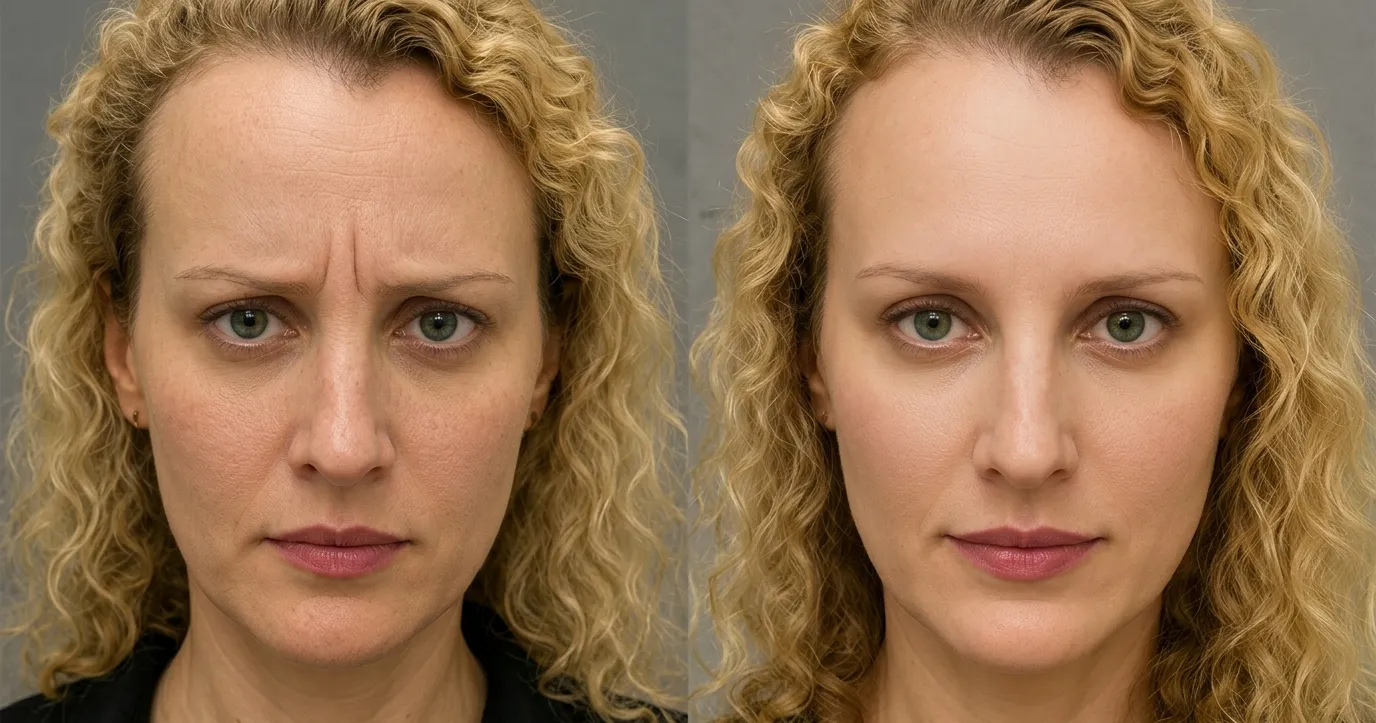
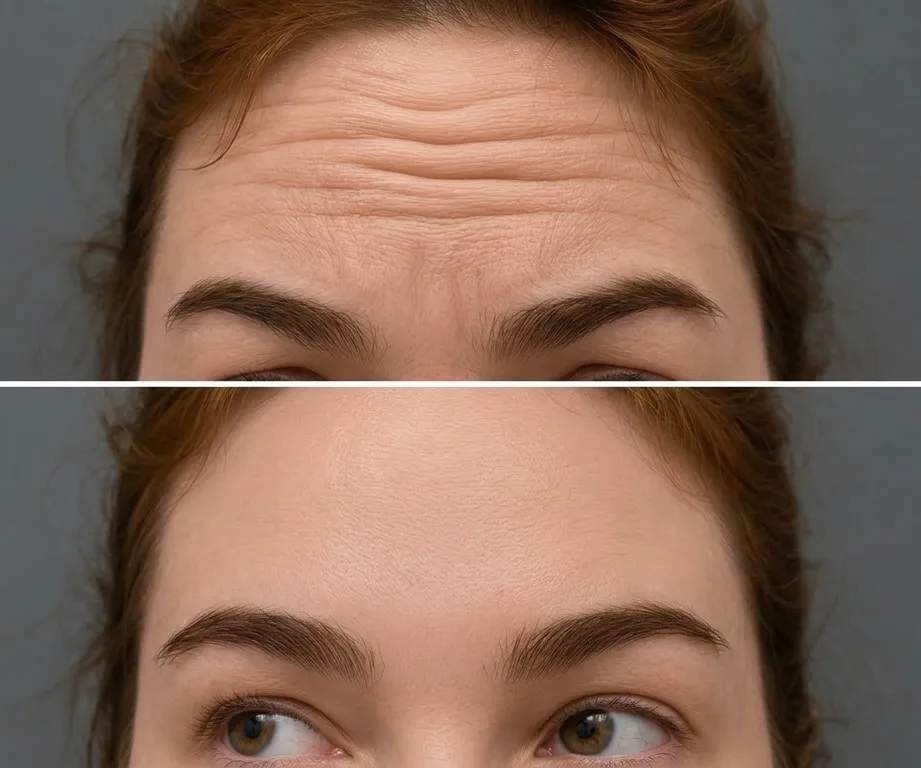
For many patients, the first visible signs of ageing appear in the upper face — horizontal lines across the forehead from raised brows, vertical frown lines between the eyes, and fine lines fanning outward from the outer corners of the eyes. These areas are associated with specific, well-mapped muscle groups, making them among the most commonly treated in aesthetic practice. Botox injections in these zones aim to reduce the appearance of lines formed by years of repeated expression.
Treatment aims to reduce the degree of visible wrinkling during expression, whilst preserving enough natural movement that the result does not appear altered or artificial. This balance is central to what good Botox treatment in London should achieve, and it depends heavily on dose, placement, and the clinical judgement of the practitioner. Patients often report looking noticeably fresher after treatment settles, with a more rested and open quality to the upper face.
Consultation and Pricing
Treatment suitability, clinical plan, and final cost are confirmed only after consultation and face-to-face assessment. Pricing reflects the number of areas, dosage required, anatomical complexity, and individual treatment planning. We encourage anyone considering Botox to book a consultation and discuss your aesthetic goals with our team before making any decisions.
The figures below represent general London market guidance only, based on publicly advertised prices reviewed in May 2026 across eight central London aesthetic clinics. These are not our clinic’s prices and may not reflect consultation fees, prescribing costs, number of areas, dosing requirements, or individual assessment.
- 1 treatment area: about £175–£275
- 2 treatment areas: about £250–£380
- 3 treatment areas: about £299–£425
- Specialised or advanced area (e.g. masseter/teeth grinding, neck, hyperhidrosis): about £250–£450
- Initial consultation and clinical assessment: about £0–£150 (varies by clinic; often redeemable against treatment)
- Botox top-ups and follow-up sessions: about £75–£150
Before and After Botox Treatment
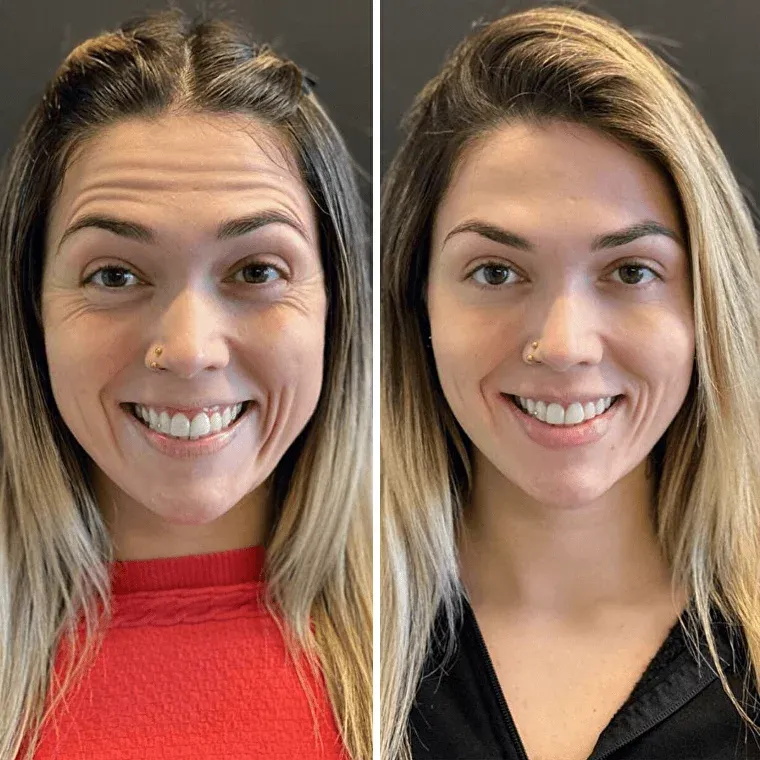
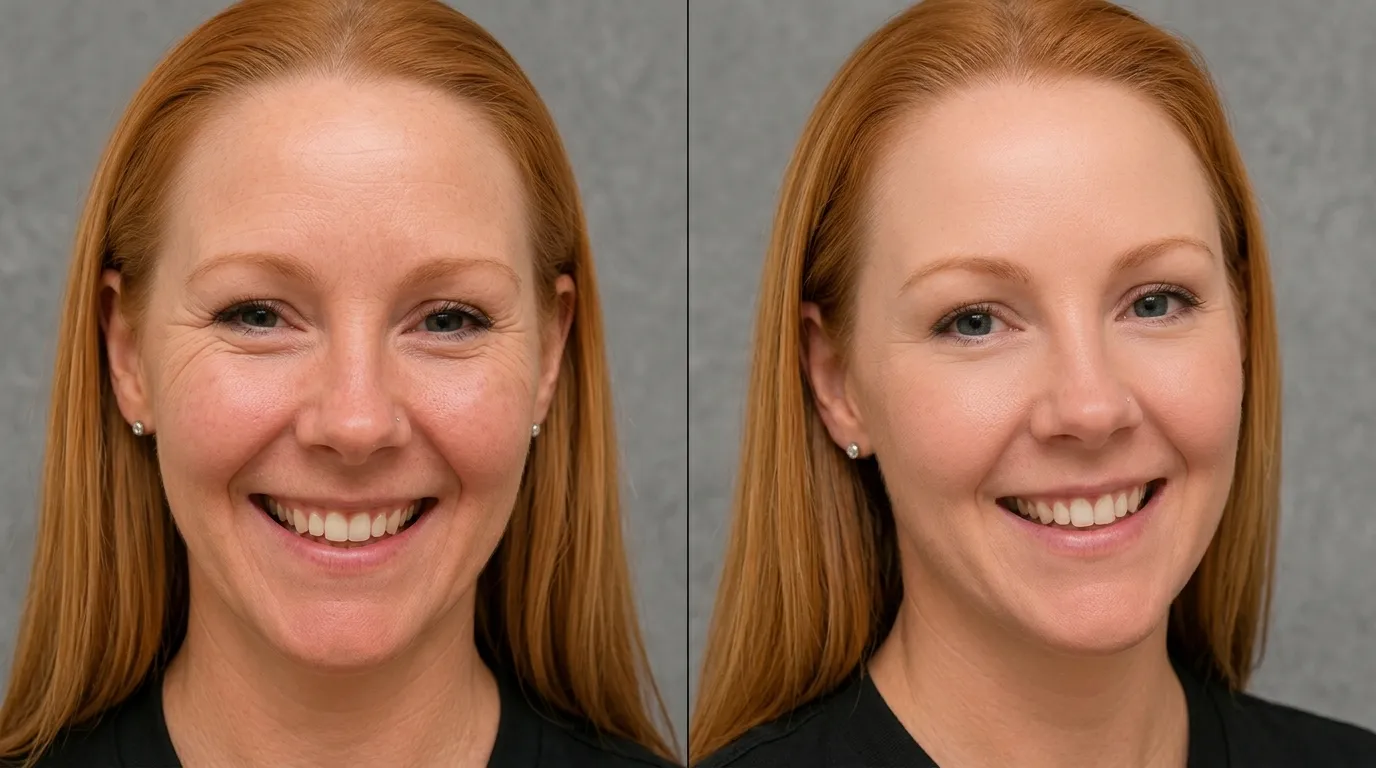
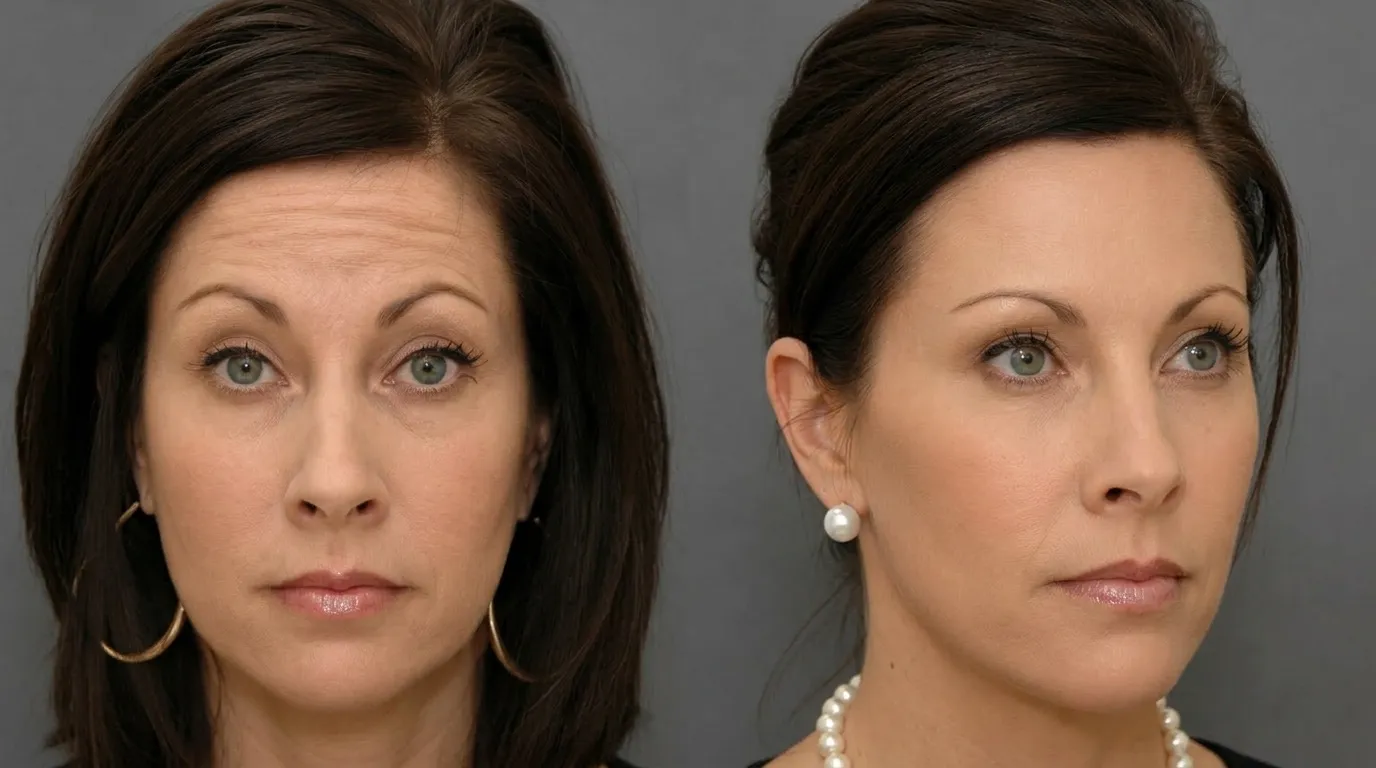
The visible concern most patients are addressing is the depth and persistence of lines that appear during expression — and, in more advanced cases, lines that remain visible even when the face is at rest. Treatment is intended to reduce the appearance of wrinkles by targeting the muscle activity responsible for them, with the degree of improvement depending on anatomy, muscle strength, line depth, and the areas treated. Choosing the right clinic in London is an important part of ensuring that results are appropriate, balanced, and in keeping with your natural features.
Results do not appear immediately and are not guaranteed to be uniform across all patients. Individual response varies, and the degree of softening achievable will differ depending on the extent of pre-existing skin changes.
Patients may typically expect to notice:
- A gradual reduction in the movement associated with treated muscle groups over the first few days
- Softening of dynamic expression lines, particularly across the forehead and between the brows
- A more rested and fresher appearance around the outer eyes, where crow’s feet have been treated
- Improvement that becomes most apparent approximately two weeks after the injection session
How Muscle Activity Influences Visible Lines
Lines and wrinkles that develop with age are not simply a result of skin changing over time — they are also shaped by the repeated contraction of underlying facial muscles throughout daily expression. Over the years, these contractions create increasingly permanent creases, beginning as dynamic lines that appear only during movement and progressing to static lines present even at rest. This is why a good Botox clinic in London will assess muscle activity specifically, rather than treating lines as a surface-level concern.
Understanding this muscle-driven process is central to treatment planning. A clinician assessing you for Botox injections will consider which muscle groups are most active, how their movement pattern relates to your visible lines, and which areas are likely to respond well. This guides decisions about placement, dosing, and whether combining areas will produce a more balanced and youthful result across the face. Beyond cosmetic lines, some patients also seek treatment for teeth grinding — a concern that involves the masseter muscle and requires its own specific clinical assessment.
Results, Longevity and Recovery
The visible concern most patients are addressing is the depth and persistence of lines that appear during expression — and, in more advanced cases, lines that remain visible even when the face is at rest. Treatment is intended to reduce the appearance of wrinkles by targeting the muscle activity responsible for them, with the degree of improvement depending on anatomy, muscle strength, line depth, and the areas treated. Choosing the right clinic in London is an important part of ensuring that results are appropriate, balanced, and in keeping with your natural features.
Results do not appear immediately and are not guaranteed to be uniform across all patients. Individual response varies, and the degree of softening achievable will differ depending on the extent of pre-existing skin changes.
Safety, Risks and Important Considerations
Botulinum toxin treatment involves the administration of a prescription-only medicine and must only be carried out following face-to-face consultation, clinical assessment, and appropriate prescribing. Patients should never proceed based on photographs, online questionnaires, or remote consultation alone. This is particularly important when choosing between skin clinics, cosmetic practices, or other providers — the standards applied to administering Botox vary considerably, and the difference in approach between a properly structured Botox clinic and less regulated settings is significant.
Side effects can include temporary redness, bruising, or mild swelling at injection sites. Less commonly, patients may experience asymmetry, heaviness, or temporary spread of effect beyond the intended area. Unlike certain surgical procedures performed by plastic surgeons, this is a non-surgical treatment — but that does not make it consequence-free. Serious adverse events are rare when treatment is carried out by a qualified practitioner using licensed products and appropriate technique, yet each patient should be fully informed and consenting before proceeding.
Why Choose London Aesthetics for Botox Treatment
At London Aesthetics, anti-wrinkle treatment is approached as a clinical procedure — not a cosmetic commodity. As a dedicated London clinic focused on facial aesthetics, the emphasis is on anatomy, assessment, and controlled outcomes rather than volume-driven services. Patients looking for the best Botox in London will find that what distinguishes a responsible clinic for Botox is not simply the products used, but the rigour of the process around them.
Our Specialists and Clinical Team
Our clinical team combines international aesthetic experience with the prescribing oversight required for prescription-only treatments in the UK.
- Angelika is a fully insured aesthetic practitioner with over eight years of international medical experience and an overseas medical degree. She practises under full UK certification and insurance for injectable treatments. Her approach centres on structured, subtle results achieved through advanced technique and strict safety standards.
- Dr. Ivan is a GMC-registered prescriber who provides the required face-to-face consultations and issues prescriptions for prescription-only products where clinically appropriate.
Responsible Consultation and Treatment Planning
Every patient undergoes a proper clinical consultation before treatment — an opportunity to discuss their aesthetic goals, review their history, and understand what Botox london patients can realistically expect from their treatment plan.
Safety, Prescribing and Medical Standards
Prescription-only medicines are handled within a fully compliant UK prescribing framework. Licensed products, sterile protocols, and informed consent are standard at every appointment.
Natural-Looking Results and Controlled Outcomes
The clinical aim is a softened, fresher appearance that reduces the appearance of wrinkles whilst remaining consistent with your natural features — not an altered or expressionless result.
Aftercare and Ongoing Support
Patients receive clear aftercare guidance following treatment. Follow-up appointments and Botox top-ups are available where needed, and a free consultation is offered to new patients to explore whether treatment is appropriate for them.
- Injectable treatments carried out using licensed, regulated products only
- Full prescribing compliance in line with UK regulatory requirements
- Practitioner with over eight years of international medical experience
- GMC-registered prescriber overseeing all prescription-only treatment pathways
- Individual assessment at every consultation — no standardised treatment plans
- Conservative dosing approach to maintain natural movement and a youthful, balanced result
- Aftercare guidance and follow-up support are included as standard
London Aesthetics treatments are performed by Angelika, a fully insured aesthetic practitioner — not a medical doctor. Dr. Ivan, a GMC-registered prescriber, provides face-to-face consultations and issues prescriptions for prescription-only products where clinically required. Treatment is available to patients aged 18 and over only.
Frequently Asked Questions
What does Botox treatment do?
Botulinum toxin works by blocking the nerve signals that cause certain muscles to contract, effectively causing those muscles to relax. When injected into targeted facial muscle groups, it temporarily reduces movement in those areas, which in turn softens the lines and wrinkles associated with repeated expression. The treatment does not affect sensation or underlying skin structure directly — its effect is on muscle activity. Results are temporary and wear off gradually over time as normal muscle function returns, typically within three to six months of the injection.
Who is usually a suitable candidate for Botox treatment?
Adults aged 18 and over with visible expression lines — particularly across the forehead, between the brows, or around the eyes — are often those who enquire about Botox in London. Suitability depends on individual anatomy, muscle activity patterns, skin condition, and medical history. Patients with certain neuromuscular conditions, relevant medication use, or specific health factors may not be suitable, and this is only determined properly through a face-to-face clinical consultation. There is no universal profile; each assessment is individual, and patients are encouraged to book a consultation before forming expectations.
How painful is Botox treatment?
Most patients describe the sensation as brief and relatively mild — comparable to a small pinch or minor pressure at the injection site. The needles used for Botox injections are very fine, and the procedure is typically well tolerated without the need for a topical anaesthetic in most cases. Individual sensitivity varies, and practitioners can take steps to minimise discomfort where needed. Any localised stinging usually subsides within seconds. The session itself is short, and significant pain during or after treatment would be unusual with proper technique and care.
How long do Botox treatment results usually last?
Results typically last between three and six months, though this varies between individuals. Factors that influence longevity include the specific areas being treated, the dose used, individual metabolism, and how active the muscles in the treated area tend to be. Some patients find results last closer to the lower end of this range on their first treatment, with subsequent sessions and Botox top ups producing progressively longer-lasting effects. Realistic expectations are always discussed during consultation, as outcome predictability differs and cannot be guaranteed.
Are there risks or side effects with Botox treatment?
As with all injectable treatments, botulinum toxin carries a risk of side effects. Common and temporary effects include localised redness, mild bruising, or swelling at the injection sites. Less commonly, patients may experience slight asymmetry, a sensation of heaviness around treated muscles, or temporary changes in adjacent areas if there is any unintended diffusion. Serious complications are uncommon when treatment is administered by a qualified practitioner using licensed products and appropriate technique, but patients should be fully informed of all relevant risks before providing consent to any Botox treatment.
Is there any downtime after Botox treatment?
Significant downtime is not typically associated with anti-wrinkle injections, which is one reason this non-surgical treatment appeals to patients with busy schedules. Most patients return to normal activities on the same day. Minor redness or pinpoint marks at injection sites usually settle within a few hours. Patients are generally advised to avoid strenuous exercise, excessive heat, and alcohol for the remainder of the treatment day, and to refrain from rubbing or applying pressure to treated areas for several hours. These precautions support the best possible placement and early tissue response.
Can Botox treatment be reversed, adjusted, or allowed to wear off if needed?
Unlike hyaluronic acid dermal fillers, botulinum toxin cannot be dissolved or reversed through injection once administered. However, its effects are temporary and will gradually diminish as the body metabolises the product and normal muscle activity returns, typically over three to six months. If the initial result is not exactly as desired, the treatment plan can be revised at subsequent sessions. Where appropriate, minor adjustments can sometimes be made at a follow-up appointment during the active treatment phase, and patients are always welcome to discuss their aesthetic goals further at any point.
How is the right treatment plan decided?
Treatment planning for Botox injections begins with a face-to-face consultation at which a clinician assesses your anatomy, discusses your concerns, reviews your medical history, and determines which areas are likely to achieve the most appropriate result. There is no fixed approach; dose, placement, and the number of areas all vary between patients. At London Aesthetics, we encourage anyone considering Botox to book a free consultation with our team — choosing the right clinic in London means ensuring that your plan is built on proper clinical assessment and honest, individual guidance rather than a standardised menu.