

The abbreviation BBL is used in two very different contexts in aesthetics and medicine, which can cause genuine confusion for anyone researching their options. In cosmetic surgery, BBL stands for Brazilian Butt Lift — a surgical fat transfer procedure. In medical-grade skin rejuvenation, BBL refers to BroadBand Light, a type of intense pulsed light technology used to treat a range of skin concerns. Understanding which BBL is being discussed, how each works, what realistic outcomes look like, and what the risks involve is essential before considering either treatment.
Key Takeaways
- BBL has two distinct meanings in aesthetics: Brazilian Butt Lift (a surgical fat transfer procedure) and BroadBand Light (a non-surgical skin treatment using intense pulsed light technology).
- The surgical Brazilian Butt Lift carries significant risks, including rare but serious complications, and requires careful patient selection and an experienced surgical team.
- BroadBand Light BBL is a non-surgical treatment that may improve skin tone, texture, pigmentation, and signs of photoageing with minimal downtime.
- Results from both procedures vary between individuals, and neither guarantees permanent outcomes without appropriate maintenance or lifestyle factors.
- A thorough consultation with a qualified practitioner is essential to determine which treatment, if either, may be appropriate for your goals and medical history.
BBL Meaning: Two Very Different Treatments
The term BBL is an abbreviation that appears frequently in both surgical and non-surgical aesthetics, but it refers to two entirely separate procedures. Recognising which one is being discussed matters because the mechanisms, risks, recovery periods, and suitable candidates are completely different.
The first and more widely searched meaning is the Brazilian Butt Lift, a surgical body contouring procedure that uses liposuction to harvest fat from one area of the body and transfers it to the buttocks to add volume and reshape the silhouette. This is a surgical procedure performed under anaesthesia and carries meaningful risks that require careful consideration.
The second meaning is BroadBand Light, a skin rejuvenation technology developed by Sciton that delivers intense pulsed light energy to the skin to address concerns such as sun damage, uneven pigmentation, redness, and early signs of ageing. BroadBand Light BBL is a non-surgical, clinic-based treatment with a very different risk profile and recovery experience compared to the surgical Brazilian Butt Lift.
Both are legitimate and widely performed procedures, but they serve entirely different purposes and are suitable for different candidates. The sections below cover each in detail.
What Is a Brazilian Butt Lift (Surgical BBL)?
A Brazilian Butt Lift is a surgical body contouring procedure that combines liposuction with autologous fat transfer — meaning fat is taken from the patient’s own body and injected into the buttocks. The goal is to increase buttock volume, improve projection, and reshape the overall lower body contour. It does not involve implants; the transferred material is the patient’s own fat tissue.
The procedure typically involves two stages. First, a surgeon performs liposuction on donor areas such as the abdomen, flanks, lower back, or thighs to harvest fat. The harvested fat is then processed and purified before being carefully injected into specific layers of the buttock tissue. The dual benefit is that liposuction slims the donor areas while the fat transfer adds volume to the buttocks, which can create a more defined waist-to-hip ratio.
Not all transferred fat survives the process. A proportion of the injected fat is naturally reabsorbed by the body over the weeks following surgery, which is why surgeons typically overfill slightly to account for this expected loss. The fat that does establish a blood supply and survive long-term can provide lasting volume, though results are still influenced by significant weight changes over time.
How the Brazilian Butt Lift Is Performed
A Brazilian Butt Lift is performed under general anaesthesia or, in some cases, intravenous sedation, in a surgical facility. The procedure typically takes two to four hours depending on the volume of fat being harvested and transferred. Liposuction is carried out through small incisions using a cannula — a thin tube — to loosen and remove fat from the donor sites. The harvested fat is then centrifuged or filtered to separate viable fat cells from blood, fluid, and damaged tissue before injection.
The injection technique is critically important from a safety perspective. Fat must be deposited into the subcutaneous layer — the layer of tissue beneath the skin — rather than into the gluteal muscle. Injecting fat into or near the gluteal muscles carries a risk of fat entering large blood vessels, which can cause a potentially fatal fat embolism. Awareness of this risk has led to updated safety guidelines from surgical organisations, emphasising subcutaneous-only injection techniques.
Brazilian Butt Lift Recovery and Downtime
Recovery from a Brazilian Butt Lift is more involved than many patients anticipate. Most people require at least two to three weeks away from work, and physical activity restrictions typically extend for six to eight weeks. One of the most important post-operative instructions is avoiding direct pressure on the buttocks during the early healing phase. Patients are generally advised not to sit directly on the buttocks for approximately two to six weeks, using a specially designed cushion that transfers pressure to the thighs when sitting is unavoidable.
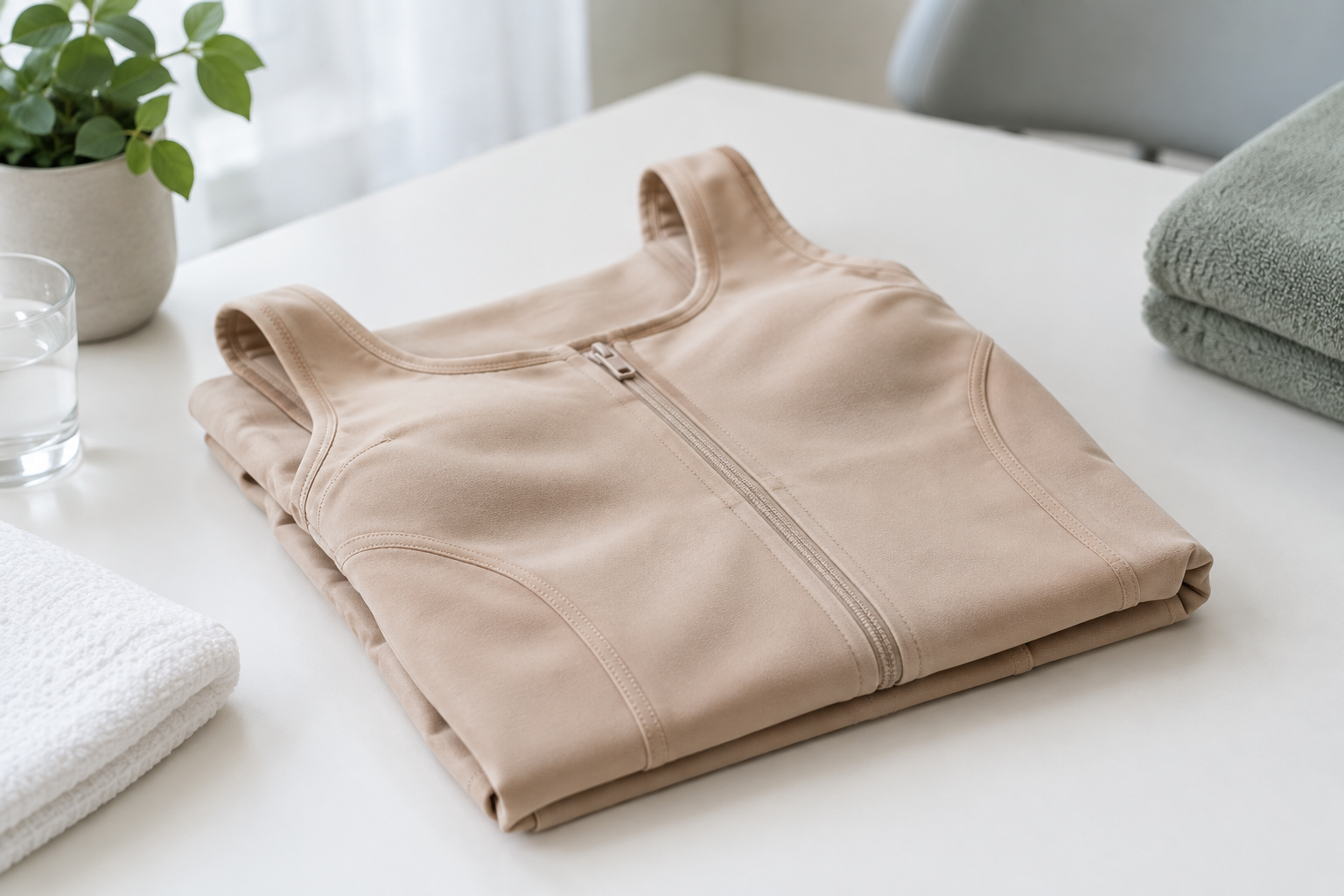
Swelling, bruising, and discomfort at both the liposuction donor sites and the buttocks are expected in the weeks following surgery. Compression garments are usually worn to support healing and help the skin conform to the new contours. Final results are not visible until swelling has fully resolved, which can take three to six months. The proportion of fat that survives long-term varies between individuals and is influenced by factors including surgical technique, post-operative care, and individual biology.
Brazilian Butt Lift Risks and Safety Considerations
The Brazilian Butt Lift has one of the higher complication profiles among elective cosmetic surgical procedures, and prospective patients should understand the risks clearly before proceeding. Risks include infection, wound healing complications, asymmetry, contour irregularities, seroma (fluid accumulation), and the need for revision surgery. Fat necrosis — where transferred fat cells die and form firm lumps — can also occur.
The most serious risk associated with the Brazilian Butt Lift is fat embolism, where fat particles enter the bloodstream and travel to the lungs or other organs. This complication, while rare, can be life-threatening. Surgical safety guidelines have evolved significantly in response to this risk, and the procedure should only be performed by a qualified, experienced plastic surgeon in an accredited facility. Choosing an appropriately trained surgeon and a properly equipped surgical environment is one of the most important safety factors a patient can control.
Candidates who may not be suitable for a Brazilian Butt Lift include those who do not have sufficient donor fat for harvest, those with certain cardiovascular or clotting conditions, smokers, those with a body mass index outside the recommended surgical range, and those with unrealistic expectations about the degree of change achievable. A thorough pre-operative assessment is essential.
What Is BroadBand Light (Non-Surgical BBL)?
BroadBand Light, commonly referred to as BBL, is a non-surgical skin treatment that uses intense pulsed light (IPL) technology to deliver controlled light energy to the skin. The Sciton BBL device is one of the most widely recognised platforms in this category. BroadBand Light treatments are used to address a range of skin concerns related to sun damage, pigmentation, vascular irregularities, and skin texture.
Unlike laser treatments that use a single wavelength of light, BroadBand Light delivers a broad spectrum of light wavelengths that can be filtered and adjusted to target specific chromophores — the molecules in the skin that absorb light energy. Melanin, which is responsible for pigmented lesions and sun spots, and oxyhaemoglobin, which is responsible for redness and visible blood vessels, are the primary targets. When these chromophores absorb the light energy, the targeted cells are damaged and gradually cleared by the body’s natural processes.
What BroadBand Light BBL Can Treat
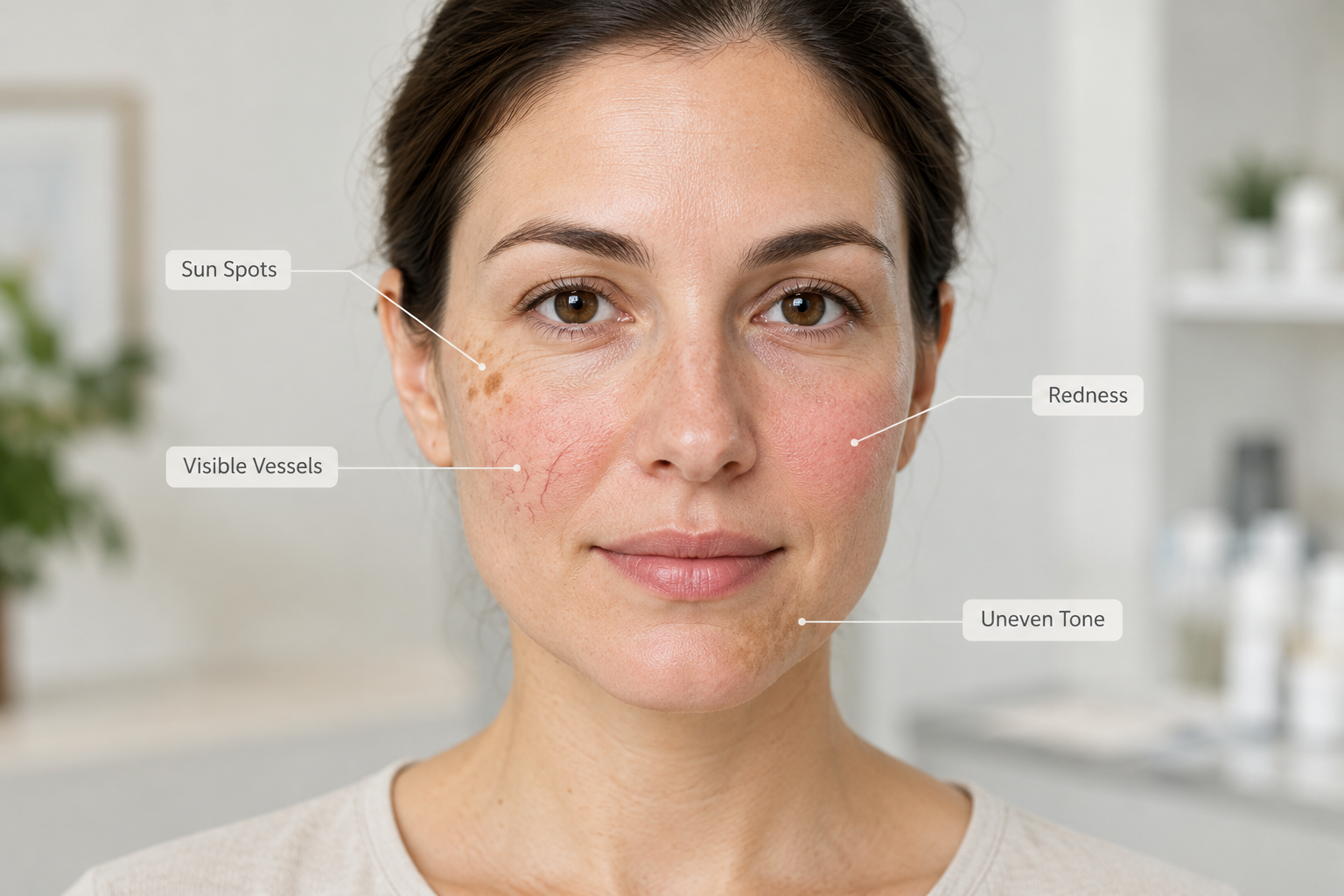
BroadBand Light treatments are commonly used to address photoageing — the cumulative skin damage caused by ultraviolet light exposure over time. Specific concerns that may respond to BroadBand Light include sun spots, age spots, freckles, uneven skin tone, diffuse redness, rosacea-related flushing, visible small blood vessels (telangiectasia), and mild textural irregularities. Some practitioners also use BroadBand Light as part of a broader skin maintenance programme to support overall skin quality.
Research published in peer-reviewed dermatology literature has suggested that repeated BroadBand Light treatments may influence gene expression in skin cells in ways associated with younger-appearing skin, though this area of research is still developing and results vary between individuals. BroadBand Light is not a treatment for deep wrinkles, significant volume loss, or structural skin laxity, and it is not a substitute for treatments that address those concerns specifically.
What Happens During a BroadBand Light Treatment
A BroadBand Light session is typically performed in a clinic setting by a trained practitioner. Before the treatment begins, the skin is cleansed and protective eyewear is provided to shield the eyes from the light pulses. A cool gel may be applied to the treatment area to improve contact and comfort. The practitioner passes the BBL handpiece over the skin, delivering pulses of light that most patients describe as a sensation similar to a brief snap or mild warmth.
Treatment duration depends on the size of the area being treated. A full-face session typically takes between 20 and 45 minutes. Immediately after treatment, the skin may appear flushed or mildly red, similar to a mild sunburn. Pigmented lesions often darken temporarily before they flake away over the following one to two weeks, which is a normal part of the treatment response. Most people are able to return to their usual activities the same day or the following day, making BroadBand Light a relatively low-downtime option compared to more ablative skin treatments.
BroadBand Light Results and How Many Sessions May Be Needed
The number of BroadBand Light sessions required depends on the individual’s skin concerns, the severity of sun damage or pigmentation, and the goals of treatment. For general photoageing and pigmentation, a course of three to five sessions spaced approximately four weeks apart is commonly recommended, followed by maintenance treatments. Some patients notice visible improvement after a single session, while others require the full course before significant changes become apparent.
Results from BroadBand Light are not permanent in the sense that ongoing sun exposure and natural ageing will continue to affect the skin over time. Maintenance sessions, typically once or twice a year, are often recommended to sustain improvements. Sun protection is an important part of maintaining results and preventing new pigmentation from forming.
BroadBand Light Risks and Side Effects
BroadBand Light is generally considered a well-tolerated treatment when performed by a trained practitioner on appropriately selected skin types. However, it is not without risk. Potential side effects include temporary redness, swelling, and sensitivity in the treated area. Pigmented lesions typically darken before they shed, which some patients find unexpected if they have not been prepared for this response.
More significant risks include post-inflammatory hyperpigmentation — where the skin produces excess pigment in response to the light energy — particularly in individuals with darker skin tones. BroadBand Light is generally most suitable for lighter Fitzpatrick skin types, and practitioners should assess skin type carefully before treatment. Blistering, scarring, and changes in skin texture are uncommon but possible if treatment parameters are not appropriately matched to the individual’s skin. Individuals with active skin infections, certain photosensitising medications, or a history of keloid scarring may not be suitable candidates.
Surgical BBL vs Non-Surgical BBL: Key Differences at a Glance
| Characteristic | Brazilian Butt Lift (Surgical BBL) | BroadBand Light (Non-Surgical BBL) |
|---|---|---|
| Treatment type | Surgical procedure | Non-surgical light-based treatment |
| Primary goal | Buttock volume and body contouring | Skin rejuvenation, pigmentation, redness |
| Anaesthesia | General anaesthesia or IV sedation | None required |
| Downtime | Several weeks | Minimal; usually 1–2 days |
| Sessions required | Single surgical procedure (revision possible) | Typically 3–5 sessions for initial course |
| Results onset | Visible after swelling resolves; 3–6 months for final result | Gradual over 2–4 weeks per session |
| Longevity | Long-term if fat survives; affected by weight changes | Maintenance sessions typically needed |
| Risk level | Higher; includes serious surgical risks | Lower; mainly skin-related side effects |
| Suitable for | Patients with sufficient donor fat and surgical fitness | Lighter skin types with photoageing or pigmentation concerns |
Who May Be a Suitable Candidate for Each BBL?
Suitability for either type of BBL treatment depends on individual factors that a qualified practitioner must assess in person. For the surgical Brazilian Butt Lift, suitable candidates are generally adults in good overall health who have sufficient fat deposits in donor areas for harvest, realistic expectations about the degree of change achievable, and a stable body weight. Candidates should be non-smokers or willing to stop smoking well in advance of surgery, as smoking impairs healing and increases surgical risk. Those with significant cardiovascular conditions, clotting disorders, or other medical factors that increase surgical risk may not be appropriate candidates.
For BroadBand Light skin treatment, suitable candidates are typically those with lighter skin tones (Fitzpatrick skin types I to III are generally considered most appropriate, though some practitioners treat up to type IV with adjusted parameters), who have concerns related to sun damage, uneven pigmentation, redness, or early photoageing. Individuals who are pregnant, breastfeeding, taking photosensitising medications, or who have active skin conditions in the treatment area should discuss these factors with their practitioner before proceeding.
Alternatives to Consider
For those interested in buttock enhancement without surgery, non-surgical options exist but have meaningful limitations. Dermal filler injections to the buttocks have been performed, though this approach carries its own risks and is not universally offered or recommended. Muscle-stimulating body contouring devices such as high-intensity focused electromagnetic (HIFEM) technology may improve gluteal muscle tone and definition, but these devices do not add fat volume and produce a different type of result to the surgical Brazilian Butt Lift. Body contouring treatments should not be confused with weight loss procedures.
For those interested in skin rejuvenation alternatives to BroadBand Light, options include traditional IPL treatments, fractional laser resurfacing, chemical peels, and topical prescription treatments such as retinoids or hydroquinone for pigmentation. Each alternative has a different mechanism, evidence base, downtime profile, and suitability range. A practitioner with experience across multiple modalities is best placed to recommend the most appropriate approach for a specific skin concern.
Frequently Asked Questions
Does BBL always mean Brazilian Butt Lift?
No. BBL is an abbreviation used for two different treatments: the Brazilian Butt Lift (a surgical fat transfer procedure) and BroadBand Light (a non-surgical skin rejuvenation treatment). The context in which the term is used — whether in a surgical or skin clinic setting — usually clarifies which is being discussed, but it is always worth confirming with your practitioner.
Is a Brazilian Butt Lift permanent?
The fat that successfully integrates and establishes a blood supply after a Brazilian Butt Lift can provide long-lasting volume. However, a proportion of transferred fat is naturally reabsorbed in the weeks after surgery. Significant weight loss or gain after the procedure can also affect the result, as the surviving fat cells respond to changes in body weight like fat cells elsewhere in the body.
Is BroadBand Light the same as IPL?
BroadBand Light uses intense pulsed light technology, which places it in the same broad category as IPL. However, the Sciton BBL device uses a specific platform with particular wavelength filters, cooling systems, and treatment parameters. Different IPL devices vary in their technology and capabilities, so BroadBand Light and generic IPL are not interchangeable terms, even though they share the same underlying light-based mechanism.
How painful is a BroadBand Light treatment?
Most patients describe BroadBand Light as mildly uncomfortable rather than painful. The sensation is often compared to a brief snap against the skin or a feeling of warmth with each light pulse. Built-in cooling in the device helps manage discomfort during treatment. Topical anaesthetic cream is not typically required, though practitioners may offer it for more sensitive patients or areas.
Can BroadBand Light treat all skin tones?
BroadBand Light is generally most suitable for lighter skin tones. Individuals with darker skin tones face a higher risk of post-inflammatory hyperpigmentation because the device targets melanin, which is more abundant in darker skin. A thorough skin assessment by an experienced practitioner is essential before treatment, and parameters should be carefully adjusted for each individual’s skin type.
What is the recovery like after a Brazilian Butt Lift?
Recovery from a Brazilian Butt Lift typically involves several weeks of restricted activity, compression garment use, and avoiding direct pressure on the buttocks. Most patients need at least two to three weeks away from work, and strenuous exercise is usually restricted for six to eight weeks. Swelling and bruising at both the liposuction and injection sites are expected and gradually resolve over weeks to months.
How do I know which BBL treatment is being offered at a clinic?
The simplest approach is to ask directly. A surgical BBL will be offered by a plastic or cosmetic surgeon in a surgical facility, while BroadBand Light is offered in medical aesthetic clinics or dermatology practices as a non-surgical skin treatment. The consultation process, setting, and practitioner type will differ significantly between the two.
Deciding Which BBL Is Relevant to Your Goals
The two treatments that share the BBL abbreviation have almost nothing in common beyond the name. The surgical Brazilian Butt Lift is a significant body contouring procedure with meaningful risks, a substantial recovery period, and results that depend heavily on surgical skill, patient selection, and post-operative care. It may be worth discussing with a qualified plastic surgeon for those seeking buttock volume and lower body reshaping who meet the appropriate criteria and understand the risks involved.
BroadBand Light skin treatment is a non-surgical option for those seeking to address photoageing, sun damage, pigmentation, or redness with minimal downtime. It is a well-established technology in medical aesthetics, though results vary between individuals and maintenance is typically needed to sustain improvements over time.
Neither treatment is universally suitable, and neither should be approached without a thorough consultation with a qualified practitioner who can assess your individual anatomy, skin type, medical history, and goals. If you are researching either type of BBL, the most useful next step is a consultation with an appropriately qualified professional who can provide an honest assessment of what may be achievable for you specifically.