
Exosomes Rosacea Procedures in London
Persistent facial redness, visible flushing, and a compromised skin barrier are common concerns for patients with rosacea-prone skin. Exosomes rosacea procedures are designed to support quality, calm reactive skin, and assist its own regenerative response over time.
At London Aesthetics, exosome therapy in London is delivered as a structured, consultation-led protocol rather than a standardised package. The approach combines regenerative signalling with careful clinical assessment, helping patients work toward steadier tone and improved comfort alongside their existing rosacea management.
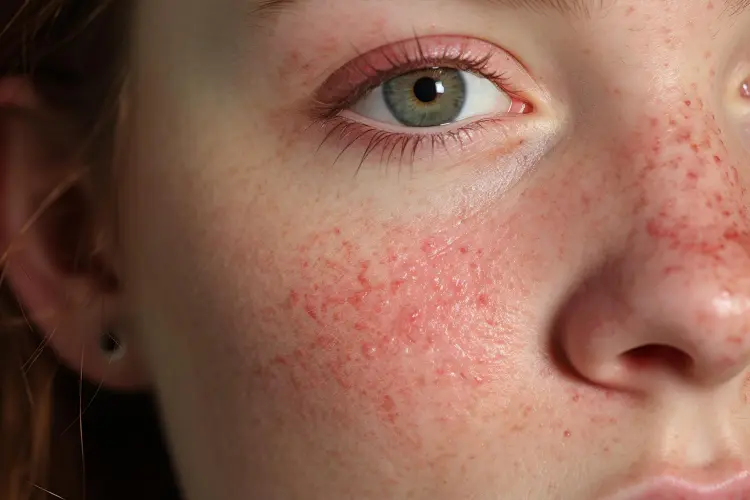
What Is Exosome Therapy for Rosacea?
Exosomes are nanoscale vesicles naturally released by stem cells, carrying proteins, growth factors, and peptide signalling molecules that influence how surrounding skin cells behave. Think of exosomes as biological messengers: in regenerative skin treatment, exosome therapies are applied to support cell communication rather than to deliver live cellular material.
For rosacea-related concerns, exosomes for skin are typically delivered via micro-injection or combined with microneedling, a pairing often described as exosome therapy with microneedling, where the microneedling device creates controlled micro-channels that allow exosomes to penetrate beyond the surface layer. This cell-free, signalling-based mechanism is part of why exosome treatment is increasingly considered alongside more traditional approaches to redness and sensitivity.
Used appropriately, exosomes therapy is intended to support overall skin health rather than to treat rosacea as a diagnosed medical condition, and any underlying inflammatory disorder should remain under the guidance of an appropriate medical professional.
Key characteristics of this treatment category:
- Cell-free regenerative vesicles, not live stem cell therapy
- Carry growth factors and signalling proteins intended to support skin barrier quality
- Exosomes are delivered via micro-injection or combined with microneedling for enhanced uptake
- Positioned as a skin-quality and comfort-focused adjunct, not a primary rosacea treatment
Who Exosome Treatment May Suit
This treatment may suit adults with reactive, redness-prone skin who are seeking to support skin quality and overall comfort alongside their existing rosacea care. Patients with mild flushing, uneven tone, or post-inflammatory sensitivity often raise these concerns during consultation.
Suitability depends on individual skin type, medical history, current rosacea severity, and any treatments already in use. A clinical assessment helps confirm whether exosome treatment is an appropriate addition to a patient’s existing skincare or dermatological treatment plan.
Supporting Skin Comfort, Barrier Quality and Tone Evenness
For patients with rosacea-prone skin, the priority is often comfort and a calmer appearance rather than dramatic transformation. Exosome skin treatment is intended to stimulate collagen production and support the skin’s barrier function, which may contribute to steadier, less reactive-looking skin over a course of sessions.
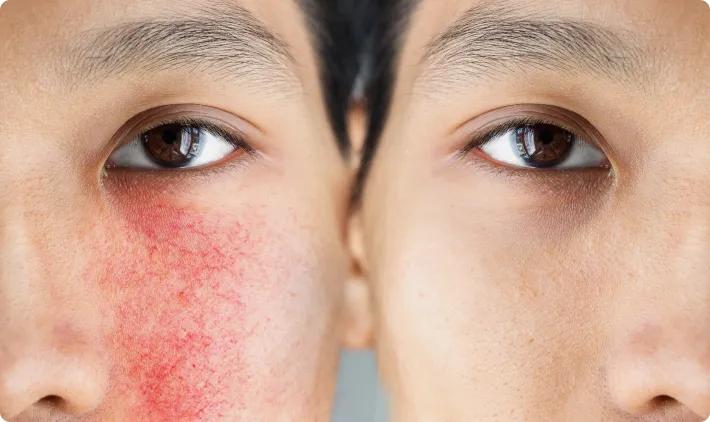
Many patients also raise concerns about uneven pigmentation and visible capillary activity associated with long-standing redness. While exosomes cannot alter the underlying vascular condition, the treatment may help rejuvenate overall skin texture and support a calmer surface appearance alongside appropriate medical management.
Consultation and Pricing
Treatment suitability, the personalised plan, and final cost are confirmed after consultation and clinical assessment, with pricing depending on anatomy, treatment scope, session count, and protocol complexity.
The figures below represent general market guidance only, based on publicly advertised prices reviewed in June 2026 across 10 London clinics. These are not our clinic’s prices and may not include consultation fees, promotional offers, technique, or individual treatment planning.
London market guide — Exosome Therapy
- Per session: about £350–£600
- Course of 3 sessions: about £1,500–£1,600
- Scalp protocol per session: about £400–£650
- Combined with microneedling per session: about £350–£650
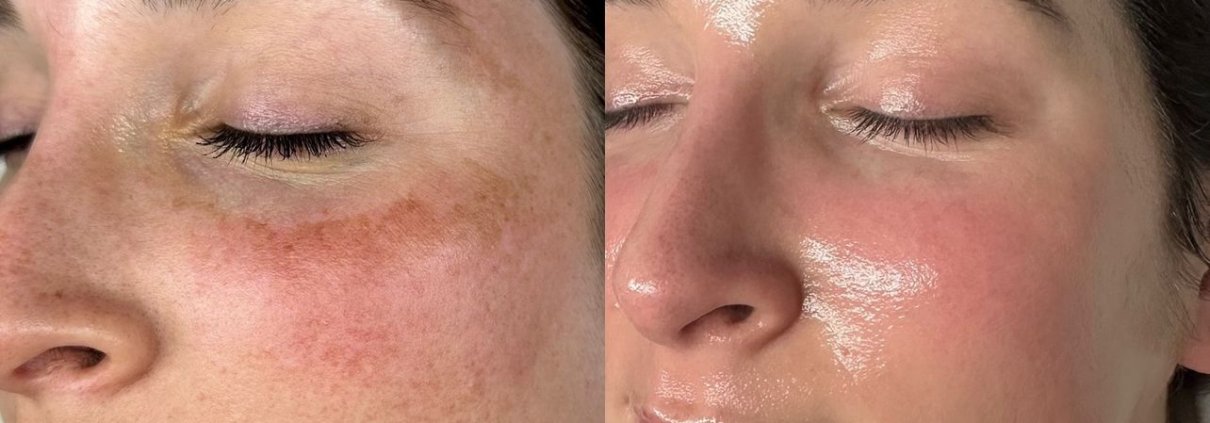
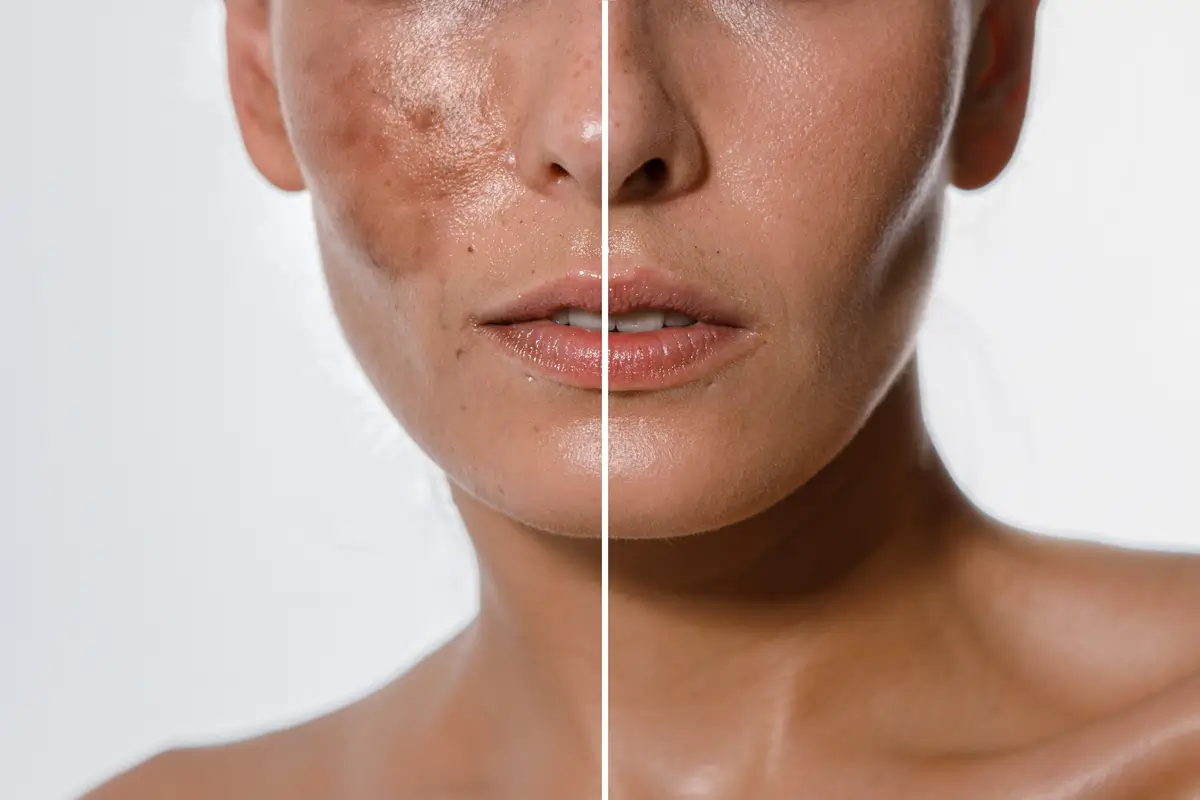
Before and After Exosomes Rosacea Treatment
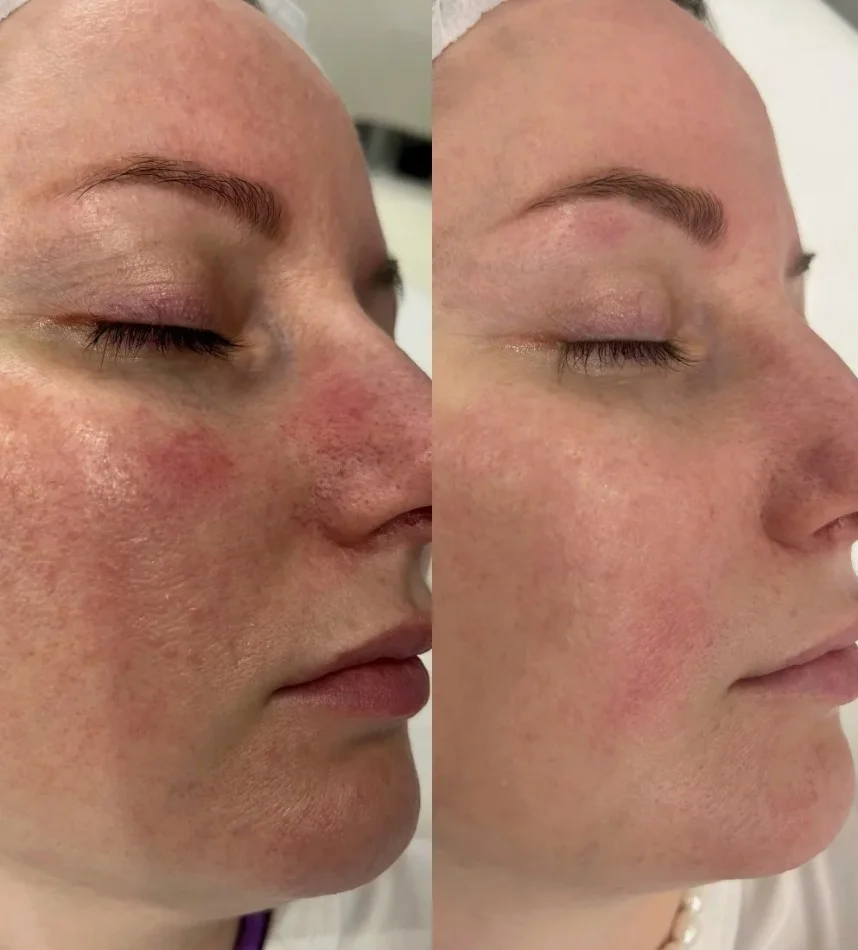
Following treatment, patients may notice a gradual change in how reactive and comfortable their skin feels, alongside subtle shifts in tone over the following weeks. Outcomes vary between individuals and depend on baseline skin condition.
Visible changes patients may typically report:
- Reduced surface sensitivity and a calmer feel to the skin
- Softer, more even-looking tone in the treatment area
- Improved hydration and skin renewal
- Gradual support to collagen and elastin within the skin’s structure
How Exosome Signalling May Support Reactive Skin
Exosomes work by acting as cellular messengers, and exosomes carry signals that may help modulate inflammatory activity and stimulate collagen and elastin synthesis as part of the skin’s natural repair process. This is distinct from approaches that act purely on the surface, and reflects how exosomes derived from stem cell sources are intended to function biologically.
In rosacea-prone skin, where barrier function is often already compromised, exosomes stimulate this cell communication in a way thought to contribute to steadier skin behaviour over time. The biological response varies between patients and cannot be guaranteed in every case, though medical-grade exosomes are formulated to support consistency of delivery.
Results, Longevity and Recovery
Early changes in comfort and tone are sometimes noticeable within the first one to two weeks, with fuller improvements in skin quality typically developing over four to eight weeks as the course progresses. Maintenance sessions are commonly recommended to help sustain results.
Recovery is generally associated with minimal downtime, though mild redness or localised sensitivity can occur at the treatment site in the first 24 to 48 hours. As rosacea is a chronic condition, results should be considered supportive rather than corrective.
Summary:
- Early changes: often within 1–2 weeks
- Fuller results: typically over 4–8 weeks
- Duration: results vary and may require maintenance sessions
- Downtime: minimal; mild redness possible for 24–48 hours
Safety, Risks and Important Considerations
Exosome therapy for rosacea-prone skin requires careful clinical assessment, as reactive and inflamed skin can respond unpredictably to any injectable or microneedling-based procedure. Correct indication and protocol selection are confirmed only after a thorough consultation.
Side effects such as temporary redness, sensitivity, or mild swelling can occur, and individual response varies. No non-surgical treatment, including exosome therapy, should be presented as risk-free, guaranteed, or a substitute for medical management of diagnosed rosacea.
Consideration | Why It Matters | What Is Usually Assessed |
Current rosacea severity | Reactive skin may respond differently to micro-injury or injection | Flare frequency, triggers, and current treatment regimen |
Concurrent medical treatment | Some prescribed rosacea treatments may influence suitability | Existing topical or systemic medication |
Skin barrier condition | Compromised barriers may need a gentler protocol | Sensitivity, dryness, and visible capillary activity |
Realistic expectations | Outcomes are supportive, not curative, for a chronic condition | Patient goals discussed against clinical limitations |
Why Choose London Aesthetics for Exosomes Rosacea Procedures
London Aesthetics offers an advanced skin approach to reactive and rosacea-prone skin, built around individual clinical assessment rather than fixed packages.

Our Specialists and Clinical Approach
Treatment planning at London Aesthetics is led by a qualified in-house team working within UK certification and insurance standards.
- Angelika is a fully insured UK aesthetic practitioner with over eight years of international medical experience, applying advanced technique within strict UK safety standards.
- Dr. Ivan, a GMC-registered prescriber, provides the required face-to-face consultation and prescribing for prescription-only products where clinically appropriate.
Evidence-Based Regenerative Medicine
Protocols are informed by current understanding of exosome biology and regenerative signalling, applied with appropriately cautious clinical judgement.

Personalised Protocols and Treatment Selection
Each treatment plan is personalised to reflect individual skin condition, rosacea history, and goals, confirmed through detailed clinical assessment before proceeding.

Safety, Prescribing and Clinical Standards
Where prescription-only products are clinically relevant, Dr. Ivan provides the necessary consultation and prescribing, supporting a compliant and carefully governed treatment pathway.

Natural-Looking Results and Long-Term Support
The clinical focus remains on subtle, naturally refined outcomes supported by ongoing review rather than one-off intervention.
What distinguishes our approach:
- Consultation-led assessment for every patient before treatment begins
- GMC-registered prescribing support where clinically required
- Personalised protocols rather than fixed or interchangeable packages
- Central London clinic environment supporting consistent follow-up care
Angelika is an aesthetic practitioner and does not hold the title of doctor; where prescription-only products are clinically indicated, Dr. Ivan, a GMC-registered prescriber, provides face-to-face consultation and prescribing. Treatment is available only to patients aged 18 and over.
Frequently Asked Questions
What does exosomes rosacea treatment do?
Exosome treatment for rosacea-prone skin is intended to support the skin’s barrier function and overall comfort by delivering regenerative signalling molecules into the treatment area. It is not a cure for rosacea and does not replace medical management of the underlying condition. Many patients use it alongside their existing dermatological care to help support skin quality and a calmer surface appearance. Results and biological response vary between individuals, and suitability is always confirmed through clinical assessment before any treatment is planned or carried out.
Who is usually a suitable candidate for this treatment?
Suitable candidates are typically adults with reactive, redness-prone skin who are looking to support comfort and skin quality alongside their existing rosacea care. Suitability depends on current rosacea severity, medical history, and any treatments already in use, all of which are reviewed during consultation. Patients with active flare-ups or certain underlying health conditions may not be appropriate candidates at a given time. A face-to-face assessment helps determine whether exosome therapy fits safely within an individual’s broader treatment plan.
How painful is exosomes rosacea treatment?
Discomfort levels depend on the delivery method used and individual skin sensitivity, which can be heightened in rosacea-prone skin. When combined with microneedling, a topical anaesthetic is generally applied beforehand to help minimise sensation. Micro-injection delivery may cause brief, mild stinging at the treatment site. Most patients describe the experience as tolerable, though reactive skin may feel discomfort more acutely than average, so the approach is adjusted where necessary to support comfort throughout the session.
How long do exosomes rosacea results usually last?
The duration of any visible improvement depends on individual skin condition, rosacea severity, lifestyle factors, and the number of sessions completed. Some patients report steadier comfort and tone for a period following a completed course, though rosacea is a chronic condition and results are not expected to be permanent. Maintenance sessions are commonly recommended to help support results over time. A clinical assessment during consultation helps establish realistic expectations based on individual circumstances.
Are there risks or side effects with exosomes rosacea treatment?
As with any injectable or microneedling-based procedure, exosome therapy carries potential risks and considerations, particularly given the heightened sensitivity often associated with rosacea-prone skin. Temporary redness, swelling, or localised sensitivity can occur following treatment. This procedure is not risk-free, and individual response cannot be guaranteed. A thorough consultation is required beforehand to assess medical history, current rosacea management, and overall suitability for treatment.
Is there any downtime after exosomes rosacea treatment?
Exosome therapy is generally associated with minimal downtime, though reactive skin may show mild redness, sensitivity, or slight swelling for around 24 to 48 hours following the session. These responses are usually transient and settle without intervention. Detailed aftercare guidance is provided after each appointment to support recovery and reduce the likelihood of irritation. Most patients are able to resume their usual daily activities shortly after treatment, though sun exposure and certain skincare products are typically avoided in the days that follow.
Can exosomes rosacea treatment be reversed, stopped, or adjusted if needed?
Exosome therapy is not “reversed” in the way an injectable filler might be dissolved, as it works through gradual biological signalling rather than physical volume. However, treatment can be stopped at any stage, and session spacing, frequency, or protocol can be adjusted based on how the skin responds and how rosacea symptoms behave over time. This flexibility allows the treatment plan to be reviewed and modified at any consultation, ensuring the approach remains appropriate to the patient’s current skin condition and broader rosacea management.
How is the right treatment plan decided?
The right treatment plan is decided through a face-to-face consultation that reviews rosacea history, current severity, existing medical treatment, and the patient’s overall skin and treatment goals. Angelika carries out the clinical assessment, and where prescription-only products are considered clinically appropriate, Dr. Ivan provides the required consultation and prescribing. This individualised process, rather than a fixed package, determines session frequency, delivery method, and whether exosome therapy should be combined with other approaches such as microneedling.
Does exosomes treatment support skin rejuvenation beyond rosacea concerns?
Alongside its role in calming reactive skin, exosomes treatment is also associated with broader skin rejuvenation and regeneration benefits when applied to the skin as part of a face treatment plan. Many patients notice gradual improvements in overall texture and tone, particularly when exosomes are combined with procedures like microneedling for enhanced uptake. These additional benefits are considered during consultation, alongside rosacea-specific goals, to confirm whether a combined approach is clinically appropriate for the individual.