
Exosomes Face Treatment in London
Skin that looks tired, uneven, or less resilient than it once did often reflects a genuine change in cellular activity rather than a simple surface concern. Exosomes face treatment is one of several skin and hair treatments designed to support skin quality by delivering regenerative signals that may help improve hydration, tone, and overall skin appearance over a structured course.
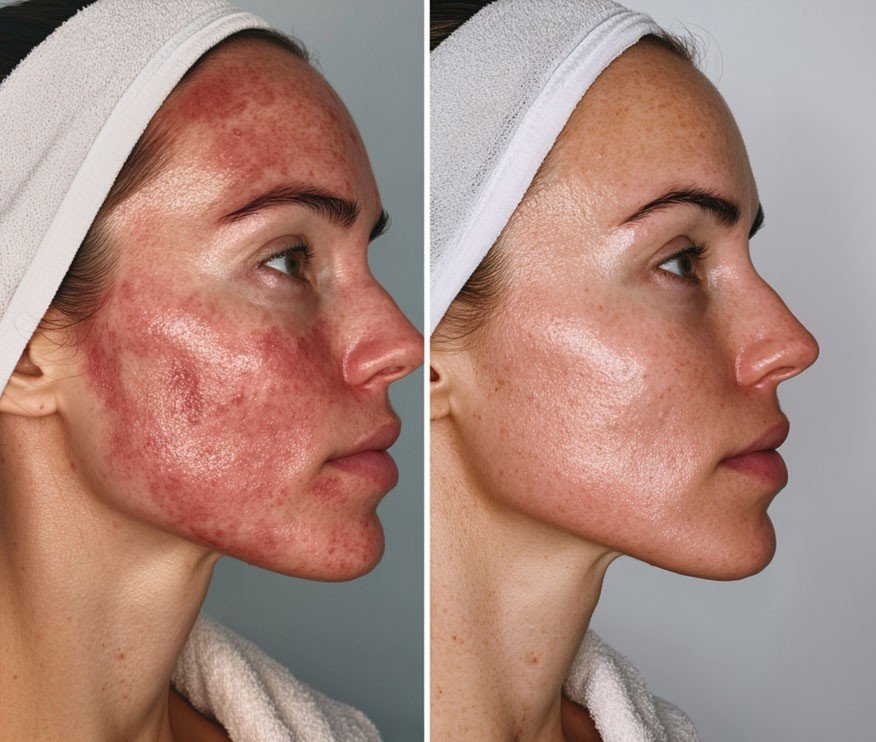
What Is Exosome Face Treatment?
Exosomes face treatment is a non-invasive skin treatment using nanoscale, stem cell-derived exosomes intended to support the skin’s own repair processes. Different types of exosomes exist, including plant-derived exosomes and plant-based exosomes, though derived exosomes used in most London clinics are typically cultured from stem cell sources.
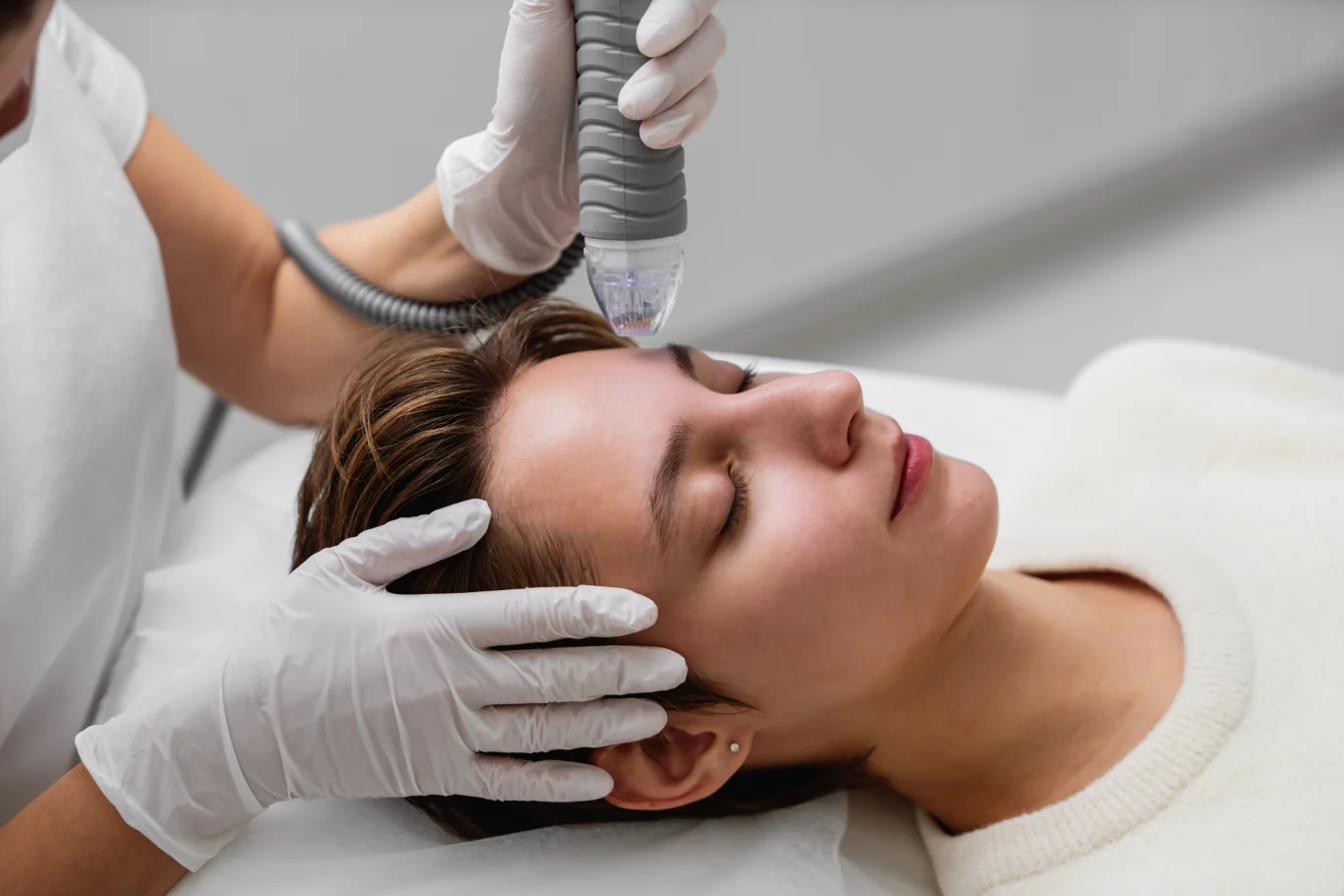
In aesthetic practice, exosome therapies are categorised as biostimulating, cell-signalling treatments rather than dermal fillers. Exosomes are delivered via micro-injection or microneedling with exosomes, depending on the procedure plan agreed during consultation, and form part of an advanced regenerative treatment approach distinct from live stem cell procedures, since no living cellular material is introduced.
Key characteristics of this exosome treatment:
- Cell-free, exosomes derived from stem cell-cultured sources
- Categorised as a regenerative, cell-signalling protocol
- Exosomes are delivered via micro-injection or microneedling
- Commonly used to support overall skin health
Who This Treatment May Suit
Exosomes face treatment may suit adults concerned with fine lines, uneven skin tone, dullness, or early signs of reduced skin firmness who are seeking a non-surgical option to support overall skin appearance.
Suitability depends on individual anatomy, medical history, current skin condition, and aesthetic goals, all assessed during a face-to-face consultation before any exosome procedure is agreed or planned.
Improving Skin Tone, Texture and Overall Radiance
Many patients consider exosomes for skin when they notice a loss of glow, patchy pigmentation, or surface texture that no longer responds to standard skincare routines. One of the benefits of exosome therapy is its gradual, biologically led approach rather than an immediate change.
Across a course of sessions, exosome therapy may help improve the appearance of uneven skin tone and contribute to a smoother, more refreshed look as part of broader skin rejuvenation and hair restoration protocols offered at the same clinic.
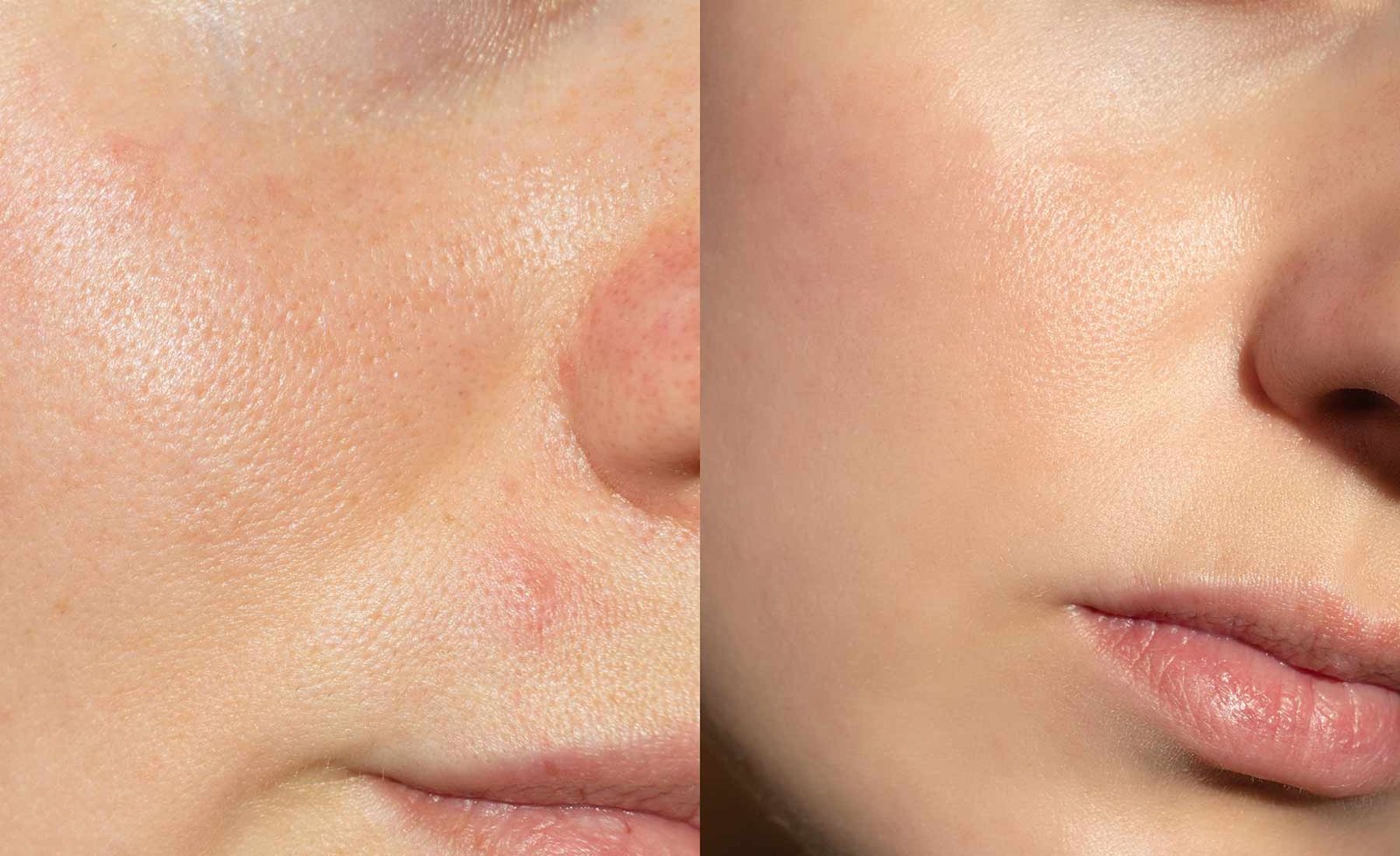
Consultation and Pricing
Treatment suitability, the personalised protocol, and final cost are confirmed only after consultation and clinical assessment, since pricing depends on anatomy, treatment scope, session count, and protocol complexity.
The figures below are general market guidance only, based on publicly advertised prices reviewed in June 2026 across 10 London clinics. These are not our clinic’s prices and may not reflect consultation fees, promotional offers, technique, or individual planning.
London market guide — Exosomes Face Treatment:
- Per session: about £320–£650
- Course of 3 sessions: about £850–£1,600
- Combined with microneedling per session: about £400–£650
- Premium/Harley Street clinics per session: about £600–£1,000
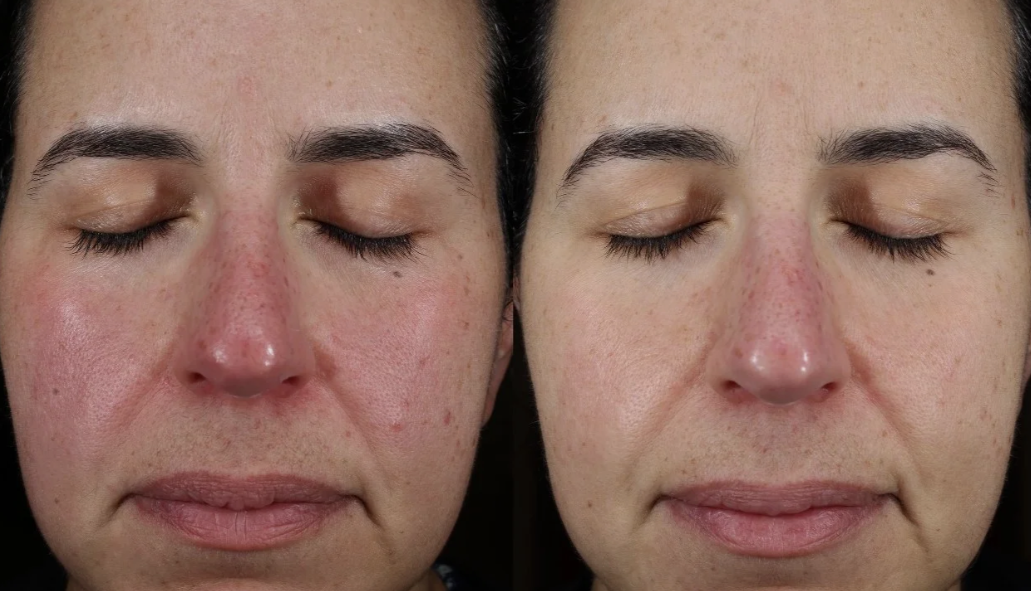
Before and After Exosomes Face Treatment
This exosome facial treatment is intended to support a gradual improvement in skin quality rather than an instant transformation, with changes typically building across the weeks following each session.
Patients commonly report a smoother surface texture and a more even-looking tone as the course progresses, alongside a general sense of improved overall skin.
Outcomes patients may typically notice as results develop:
- A more even, refreshed-looking skin tone
- Improved hydration and surface texture
- A reduction in the visible appearance of fine lines
- A general sense of revitalised, healthier-looking skin
Results vary between individuals, and outcomes depend on factors including skin condition, age, and the number of sessions completed.
How Exosomes Work to Support Skin Quality
Exosomes work as naturally occurring extracellular vesicles that cells use to communicate with one another, carrying proteins and growth factors that may help modulate inflammation and support the skin’s own repair pathways. This cell-signalling mechanism underpins the exosome therapy London clinics commonly offer.
When delivered into dermal tissue, exosomes may help support collagen-related activity within fibroblasts and contribute to a more resilient-looking skin structure over time, although individual biological responses vary and cannot be guaranteed.
Results, Longevity and Recovery
Early changes in hydration and surface glow may become noticeable within the first one to two weeks, while greater improvements in texture and skin tone tend to develop more gradually across four to eight weeks.
With a completed course, many patients report that improvements in skin quality persist for several months, and recovery is generally associated with minimal downtime following each session of this procedure in London.
Summary:
- Early changes: often noticeable within 1–2 weeks
- Fuller results: typically develop over 4–8 weeks
- Longevity: results may last several months, depending on individual factors
- Recovery: minimal downtime; mild redness may resolve within 24–48 hours
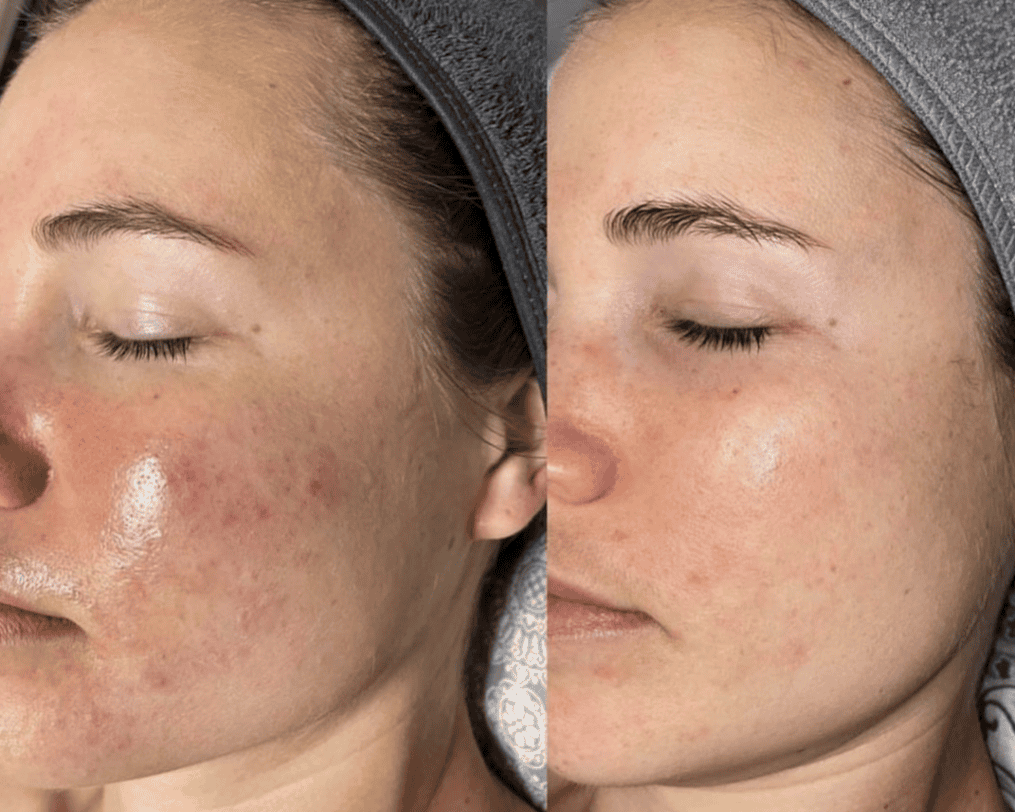
Safety, Risks and Important Considerations
Exosome treatment requires careful clinical assessment, correct patient selection, and informed consent, as suitability depends on individual anatomy, skin or hair condition, and medical history rather than being appropriate for everyone.
As with any injectable or microneedling-based procedure, side effects such as temporary redness or sensitivity can occur, and the treatment should never be considered risk-free or guaranteed to produce the same outcome for every patient.
Consideration | Why It Matters | What Is Usually Assessed |
Medical history | Certain conditions may affect suitability | Pregnancy, autoimmune conditions, allergies, and skin conditions |
Skin condition | Influences protocol and expected response | Texture, pigmentation, prior procedures, and sensitivity |
Product source | Affects safety and regulatory standing | Origin of exosomes, certification, and clinical sourcing |
Treatment goals | Shapes the session number and technique | Patient expectations, area of concern, timeline |
Why Choose London Aesthetics for Exosome Treatment
As a London clinic, London Aesthetics approaches exosome treatment as a structured, consultation-led protocol rather than a standardised cosmetic package, with each plan built around individual clinical assessment.

Our Specialists and Clinical Approach
Treatment at our clinic in London is delivered through a collaborative model combining aesthetic expertise with appropriate medical oversight.
- Angelika is a fully insured UK aesthetic practitioner with over 8 years of international medical experience, delivering exosome treatment London patients seek with a focus on subtle, structured results.
- Dr. Ivan, a GMC-registered prescriber, provides the required face-to-face consultation and prescribing for prescription-only products where clinically appropriate.

Evidence-Based Regenerative Medicine
Our treatment protocols are selected and applied according to current understanding of regenerative aesthetic practice, with an evidence-conscious, restrained approach to claims.

Personalised Protocols and Treatment Selection
Every protocol is tailored following clinical assessment, considering skin condition, treatment goals, and anatomy rather than applying a fixed package to every patient.

Safety, Prescribing and Clinical Standards
Angelika practises under full UK certification and insurance, while Dr. Ivan provides prescribing oversight where prescription-only products are clinically required.

Natural-Looking Results and Long-Term Support
Our approach favours gradual, naturally refined outcomes supported by ongoing review rather than rapid, dramatic cosmetic change.
What distinguishes our approach:
- Consultation-led procedure planning for every patient
- Collaborative practitioner and prescriber model
- Evidence-conscious, non-promotional clinical communication
- A single clinic in London offering continuity of care, rather than a network of providers across London
Angelika is an aesthetic practitioner rather than a medical doctor. Dr. Ivan, a GMC-registered prescriber, provides face-to-face consultation and prescribing for prescription-only products where clinically required. Treatment is available only to patients aged 18 and over.
Frequently Asked Questions
What does exosomes face treatment do?
Exosomes face treatment is designed to deliver regenerative, cell-signalling molecules into the skin that may help support the skin’s natural repair processes. It is intended to improve the appearance of skin tone, texture, and hydration gradually over a course of sessions rather than producing an immediate cosmetic change. The procedure is categorised as a regenerative, non-surgical option suited to patients seeking subtle, structured improvements in overall skin health, with outcomes depending on individual biological response and clinical assessment.
Who is usually a suitable candidate for exosomes treatment?
Suitable candidates are typically adults concerned with fine lines, dullness, uneven tone, or early signs of reduced skin firmness who are seeking a non-surgical, regenerative approach. Suitability is never assumed and always depends on a full clinical assessment covering medical history, current skin condition, and treatment goals. Some individuals, including those who are pregnant, breastfeeding, or managing certain underlying health conditions, may not be appropriate candidates. A face-to-face consultation is required before any treatment plan is confirmed.
How painful is exosomes face treatment?
Discomfort levels vary depending on the delivery method and individual sensitivity. When exosome treatment is combined with microneedling, a topical anaesthetic is typically applied beforehand to help minimise sensation during the procedure. Micro-injection delivery may cause brief, mild stinging at the treatment site. Most patients describe the experience as tolerable rather than significantly uncomfortable, and any sensation generally resolves shortly after the session concludes, with the practitioner able to adjust technique for comfort.
How long do exosome facial treatment results usually last?
The duration of results depends on individual skin condition, lifestyle, and the number of sessions completed as part of the agreed treatment plan. Many patients who complete a full course report that improvements in tone, hydration, and texture persist for several months following the procedure. Maintenance sessions may be recommended to help sustain these effects over time. A clinical assessment during consultation helps establish realistic expectations specific to your circumstances and goals.
Are there risks or side effects with exosomes face treatment?
As with any injectable or microneedling-based procedure, exosome face treatment carries potential risks and considerations that should be discussed during consultation. Commonly reported effects include temporary redness, mild swelling, or localised sensitivity following the session. The procedure should never be regarded as risk-free, and individual response can vary based on skin condition, medical history, and the protocol used. A thorough clinical assessment helps identify whether the treatment is appropriate for a given patient.
Is there any downtime after exosomes face treatment?
Exosomes face treatment is generally associated with minimal downtime, although some patients notice mild redness or sensitivity in the treated area for around 24 to 48 hours afterwards. These effects are usually temporary and reflect normal tissue response following the session. Detailed aftercare guidance is provided after each appointment to support comfortable recovery. Most patients are able to resume their usual daily activities shortly after leaving the clinic, although individual recovery experiences can vary.
Can exosome face treatment be reversed, stopped, or adjusted if needed?
Exosomes face treatment is not reversed in the way an injectable filler might be dissolved, since it works by supporting the skin’s own gradual biological response rather than adding volume. However, session frequency, spacing, and future maintenance can be adjusted at any point based on how the skin responds and the patient’s evolving goals. Treatment plans are reviewed regularly, allowing the protocol to be modified where clinically appropriate rather than continuing a fixed course regardless of progress.
How is the right exosome face treatment plan decided?
The right treatment plan is decided through a face-to-face consultation that considers skin condition, medical history, goals, and any relevant anatomical factors specific to the patient. This clinical assessment determines whether exosome treatment alone or combined with microneedling is more appropriate, along with the likely number of sessions required. Every plan is personalised rather than following a standardised package.