
Liquid Facelift in London
Visible changes to the face — softened jawline definition, flattened cheeks, deepening folds around the mouth — often develop gradually before they become a daily concern. A liquid facelift uses strategically placed dermal filler injections to address these structural shifts without invasive surgery.
This non-surgical approach focuses on restoring the proportions and contour that give the face its youthful balance. Rather than targeting isolated wrinkles, treatment is planned across specific areas of the face to support, lift, and refine the overall structure.
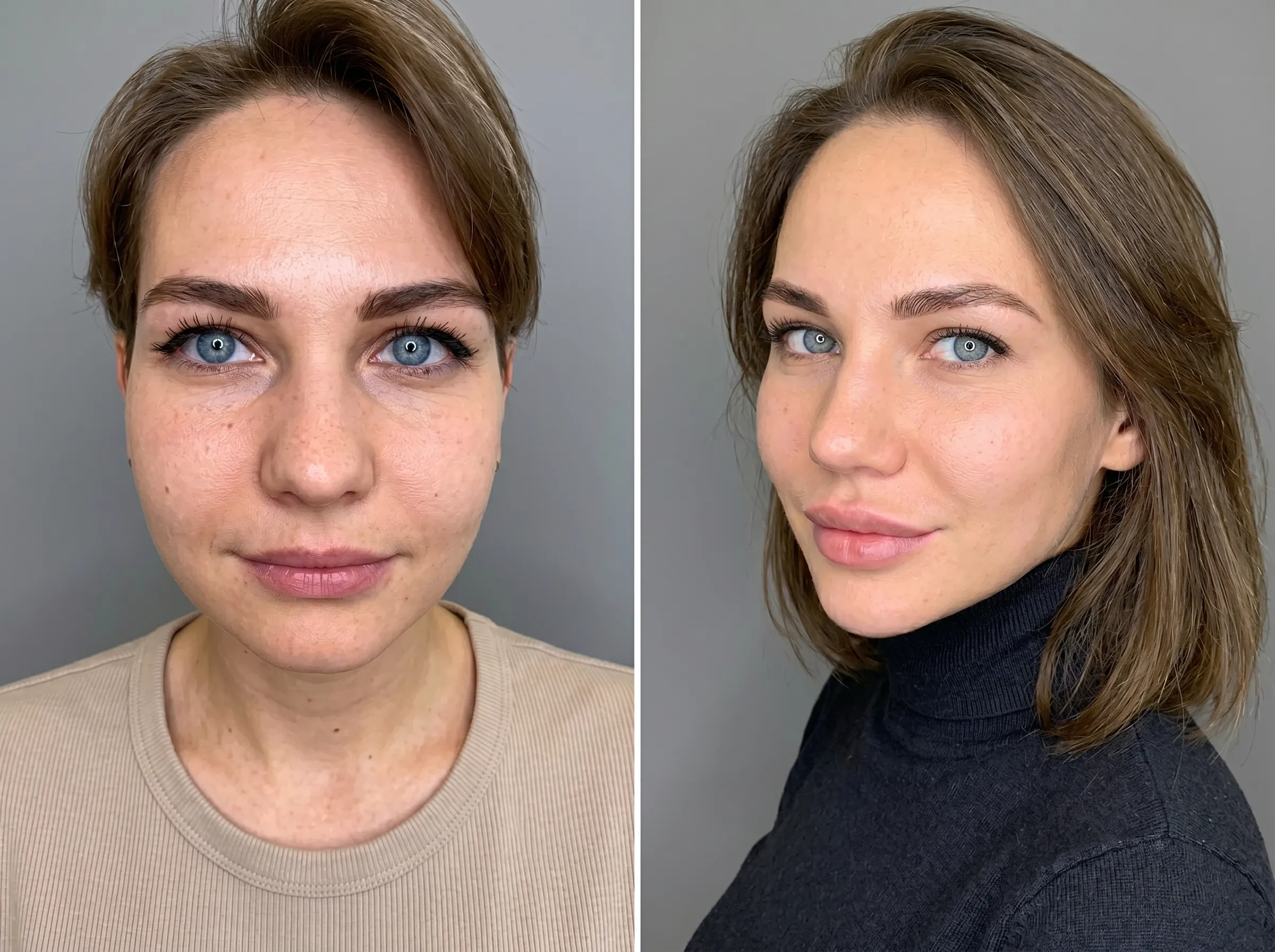
What Is a Liquid Facelift?
A liquid facelift is a multi-area injectable treatment designed to rejuvenate the face using hyaluronic acid dermal fillers placed across several regions in a single planned session. Unlike isolated filler treatment, the approach considers the face as a structural whole.
Hyaluronic acid is a substance found naturally in the body that supports skin hydration and volume. In filler form, it is used to restore lost volume, soften wrinkles, support sagging skin, and improve facial contour without going under the knife.
Because hyaluronic acid fillers are reversible — dissoluble with an enzyme if required — the treatment carries an important safety advantage over permanent cosmetic procedures. Product selection, placement depth, and volume are all determined by individual anatomy and clinical assessment.
Who This Treatment May Suit
Patients who tend to consider a liquid facelift usually notice structural changes associated with the natural ageing process: reduced mid-face volume, a less defined jawline, deeper nasolabial folds, or hollowing in the temples and tear troughs.
Suitability depends on the degree of skin laxity, facial anatomy, medical history, and what the patient is hoping to achieve. Those with more advanced sagging skin or significant skin laxity may be better candidates for surgical options, which is something a clinician can assess during consultation.
Restoring Facial Contour and Lifting Sagging Skin
One of the most common reasons patients seek a non-surgical facelift is the gradual loss of definition that comes with age — jowls beginning to form, the mid-face appearing flatter, and the face and neck losing a clear transition. These changes are largely driven by loss of volume and reduced collagen and elastin support in the tissue.
Strategically placed filler can restore structural support to areas of the face where volume loss has allowed soft tissue to descend. When the correct depth and product are used, the injectable treatment can create a visible lift in the mid and lower face while maintaining a natural look and preserving individual facial character.
Consultation and Pricing
Treatment suitability, the specific areas to be addressed, product selection, and final cost are all confirmed following a face-to-face consultation and clinical assessment. Pricing varies according to facial anatomy, the number of areas involved, product volume required, technique complexity, and whether a single session or a staged approach is more appropriate.
The following figures represent general London market guidance only, compiled from publicly advertised prices reviewed in May 2026 across multiple London clinics. These are not London Aesthetics’ prices and may not reflect consultation fees, promotional pricing, individual volume requirements, or bespoke treatment planning.
- 3ml liquid facelift package: about £1,200–£1,400
- 4ml liquid facelift package: about £1,500–£1,800
- 5ml comprehensive treatment: about £1,900–£2,500
- Individual filler area (per syringe): about £450–£650
- Filler dissolving (hyaluronidase): about £150–£250
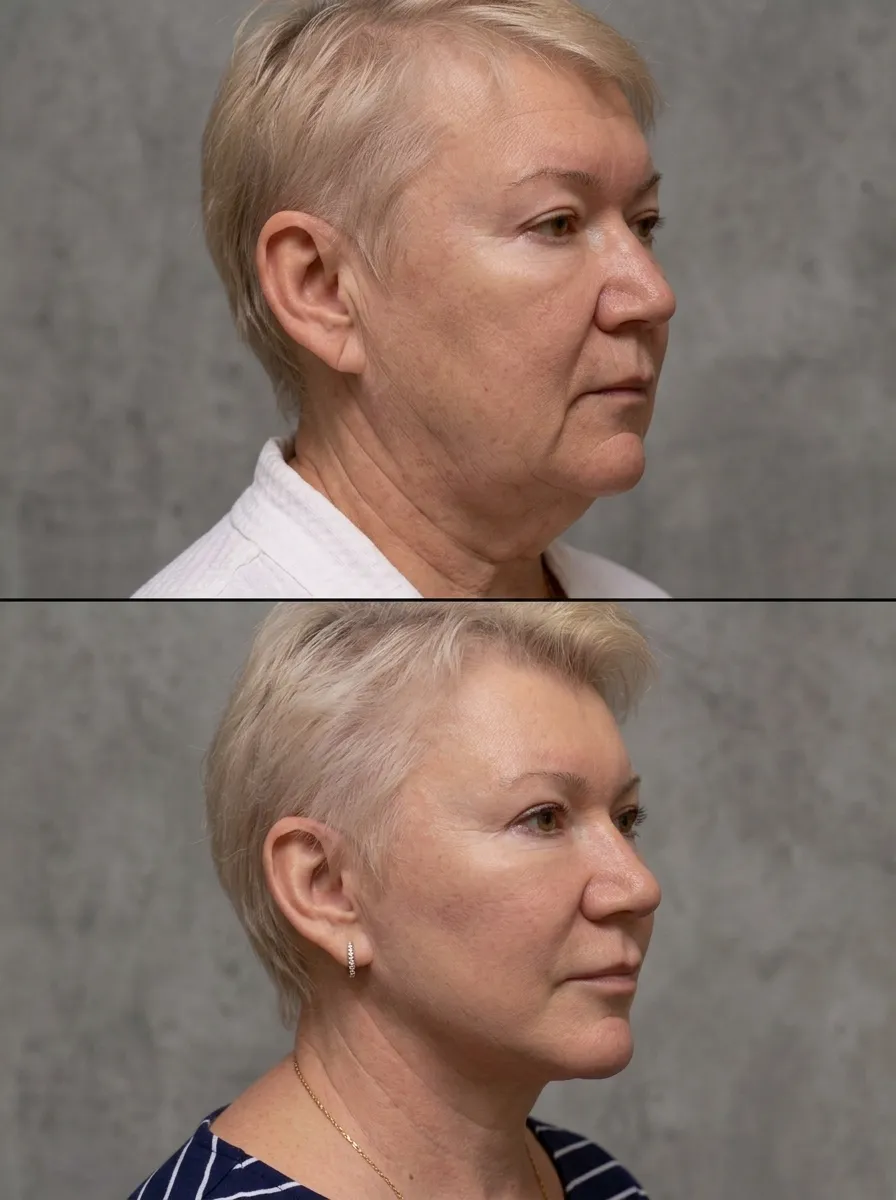
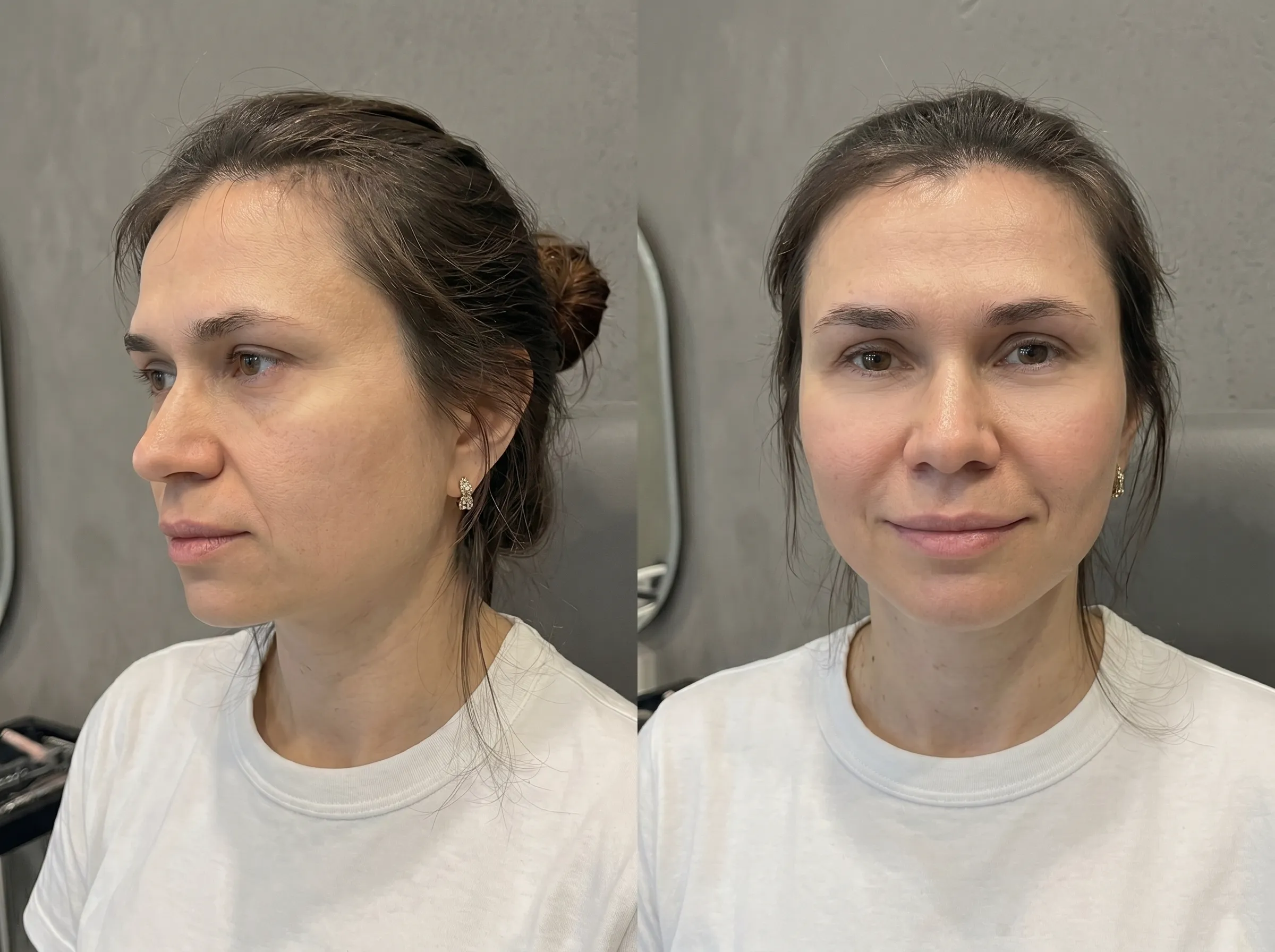
Before and After a Liquid Facelift
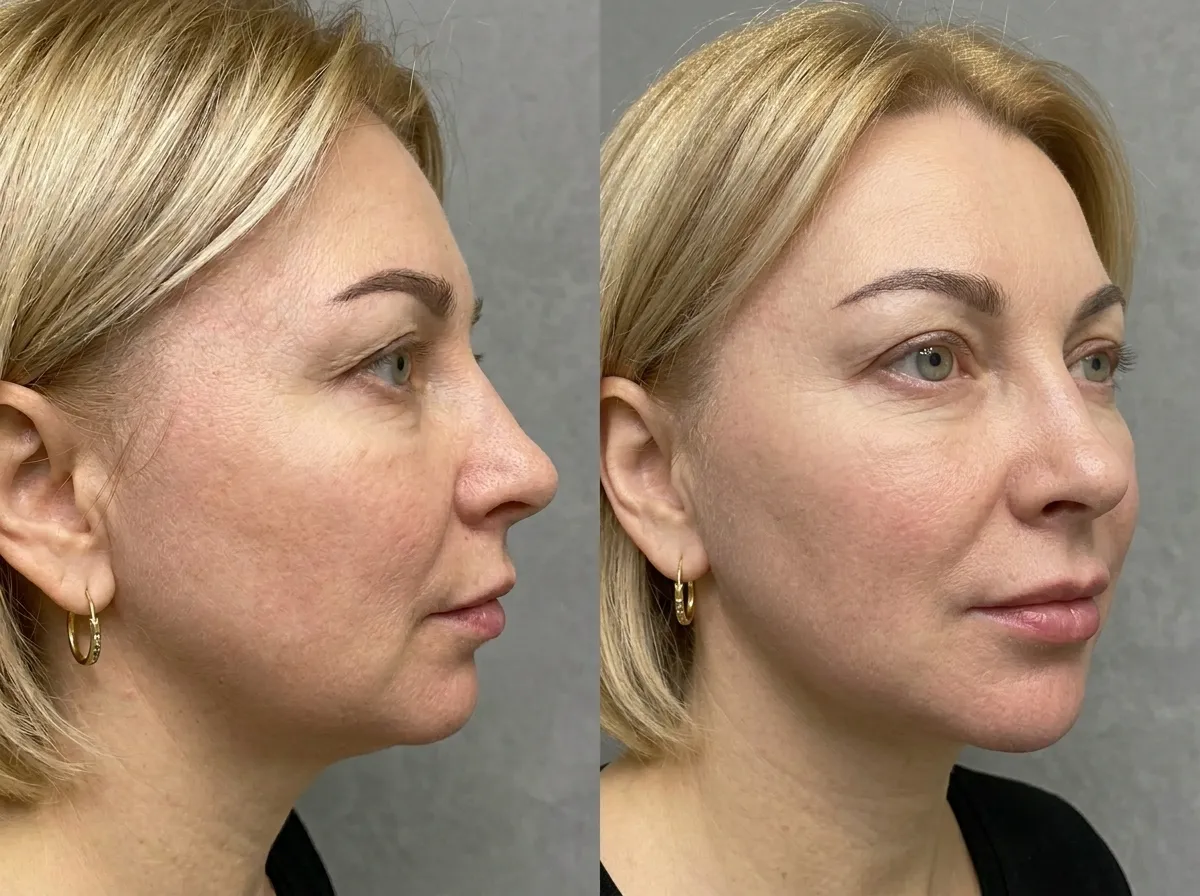
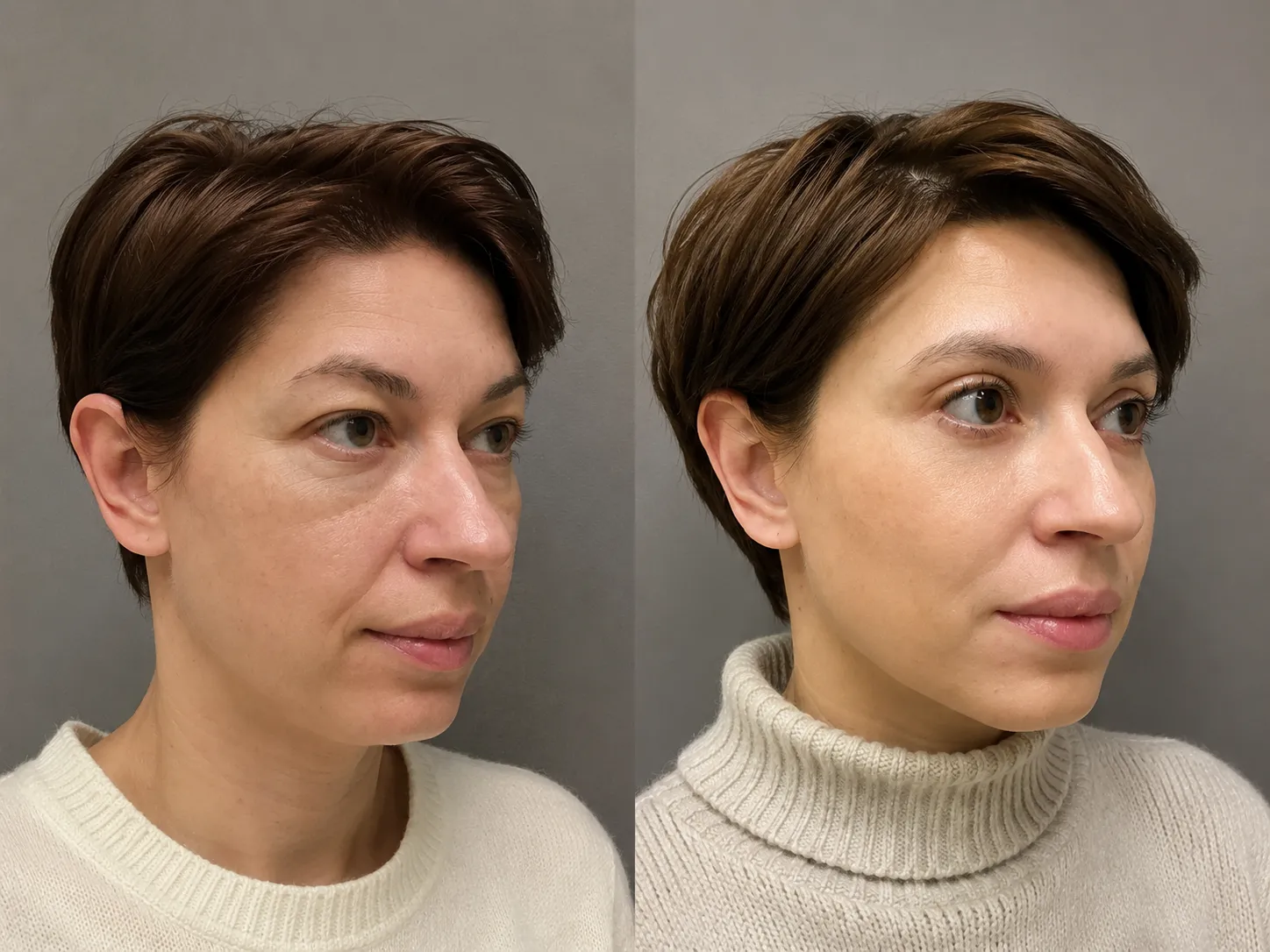
A liquid facelift procedure is intended to improve facial structure, volume, and contour in a way that refreshes the overall appearance rather than altering individual features in isolation. Results typically develop over the days following treatment as initial swelling and redness settle.
Patients may notice a gradual improvement in their appearance as the full results become visible, usually within seven to fourteen days of the liquid facelift procedure.
What patients may typically notice as results settle:
- Improved mid-face volume and reduced flatness in the cheek area
- Softer appearance of nasolabial folds and marionette lines
- Greater definition along the jawline, with less visible jowling
- Reduced hollowing under the eyes and in the temple region
How Hyaluronic Acid Filler Supports Facial Structure
Dermal filler does not simply fill surface lines — when placed correctly at the appropriate anatomical depth, it may restore the scaffolding beneath the skin that allows overlying tissue to remain lifted and supported. This structural approach underpins the liquid facelift method.
Different hyaluronic acid products have varying degrees of firmness and lifting capacity. Denser fillers are typically injected deeper to support bony and structural zones such as the cheekbones and jawline, while softer products are used in more superficial or delicate areas, such as the hollows under the eyes or fine lines around the mouth.
Key principles behind effective liquid facelift placement:
- Volumising the mid-face to reduce sagging in the lower face
- Restoring jawline structure to address early jowl formation
- Supporting the tear trough and temple to refresh the upper face
- Balancing the chin to improve the overall facial profile
- Using appropriate product density in each area of the face
Results, Longevity and Recovery
Most patients see an immediate improvement in facial volume and contour following their liquid facelift, with optimal results typically visible after seven to fourteen days once any minor swelling subsides. Results last 12 to 18 months on average, depending on the products used and individual metabolism.
Recovery is generally minimal. Most patients return to normal activity the same day, though temporary bruising, swelling, and redness at injection sites are common in the first forty-eight to seventy-two hours.
- Initial improvement: visible immediately after treatment
- Settled results: typically around 7–14 days
- Results last: approximately 12 to 18 months
- Recovery: minimal; most patients return to work the next day
Safety, Risks and Important Considerations
Dermal filler treatment requires thorough clinical assessment, an understanding of facial anatomy, careful product selection, and properly obtained informed consent. This is particularly important with a multi-area treatment such as a liquid facelift, where several specific areas of the face are treated in one session.
Potential side effects include bruising, swelling, redness, tenderness, and temporary asymmetry. More serious complications, though uncommon, can occur when treatment is performed without adequate anatomical knowledge or with inappropriate products. Treatment should never be approached as risk-free.
Consideration | Why It Matters | What Is Usually Assessed |
Facial anatomy | Filler placement depth and product choice depend on the individual structure | Bone structure, fat pad distribution, skin thickness |
Medical history | Certain conditions or medications may affect suitability or healing | Allergies, blood-thinning medications, and previous procedures |
Degree of skin laxity | Significant sagging may not respond adequately to filler alone | Skin elasticity and the extent of soft tissue descent |
Product selection | Different hyaluronic acid products have different properties and applications | Area to be treated, desired outcome, tissue characteristics |
Informed consent | Patients must understand what the procedure involves and its limitations | Realistic expectations, potential side effects, reversibility |
Why Choose London Aesthetics for a Liquid Facelift
Our approach to the non-surgical facelift is grounded in clinical precision, individual assessment, and a consistent preference for results that preserve natural facial identity.

Our Specialists and Clinical Team
Treatment at London Aesthetics is delivered by a qualified and insured clinical team. Each case is approached with a clear understanding of facial anatomy and a commitment to subtlety.
- Angelika is a fully insured UK aesthetic practitioner with over 8 years of international medical experience and an overseas medical degree. She practises under full UK certification and insurance for injectable treatments. Her technique draws on advanced international methods applied within strict UK safety standards, with a clinical focus on subtle, structured, and naturally refined results.
- Dr. Ivan is a GMC-registered prescriber who works in collaboration with Angelika. He provides the required face-to-face consultations and issues prescriptions for prescription-only products where clinically appropriate.

Responsible Consultation and Treatment Planning
No two faces are the same, and no two treatment plans should be either. Each patient’s anatomy, concerns, and goals shape the approach taken.

Safety, Prescribing and Medical Standards
All prescription-only products are prescribed following a face-to-face consultation with Dr. Ivan, in line with UK regulatory requirements for injectable cosmetic treatments.

Natural-Looking Results and Controlled Outcomes
The clinical goal is always to rejuvenate your face in a way that looks like you — refreshed and balanced, without any obvious sign of treatment.

Aftercare and Ongoing Support
Patients receive clear post-treatment guidance on how to care for injection sites, what to expect in the days following the procedure, and how to reach the clinic with any concerns. Follow-up support is available as standard.
Reasons patients choose London Aesthetics:
- Practitioner with 8+ years of international medical experience in aesthetic injectables
- Collaborative prescribing model with GMC-registered Dr. Ivan
- Bespoke treatment planning based on anatomy and clinical assessment
- Premium hyaluronic acid filler products only
- Commitment to natural results and responsible clinical practice
- Clear aftercare guidance and accessible post-treatment support
Treatments at London Aesthetics are performed by Angelika, an aesthetic practitioner and not a medical doctor, in collaboration with GMC-registered prescriber Dr. Ivan, who provides face-to-face consultations and prescribes prescription-only products where clinically required. All treatments are available to patients aged 18 and over only.
Frequently Asked Questions
What does a liquid facelift do?
A liquid facelift uses hyaluronic acid dermal fillers placed across multiple specific areas of the face to restore lost volume, improve contour, and address visible signs of ageing such as sagging skin, flattened cheeks, deepened nasolabial folds, and a less defined jawline. Unlike treating isolated lines or wrinkles, the approach considers the face structurally, with product placement designed to support and lift rather than simply fill. Results are intended to look natural and proportionate.
Who is usually a suitable candidate for a liquid facelift?
A liquid facelift may suit adults who are noticing volume loss, early jowling, softening of the jawline, or a general flatness in the mid-face that makes them look more tired than they feel. Suitability depends heavily on the degree of skin laxity, overall facial anatomy, medical history, and what the patient is hoping to achieve. Those with more significant sagging or skin looseness may find that a surgical facelift is a more appropriate option — something a clinician can assess at consultation.
How painful is a liquid facelift?
Most patients describe the procedure as manageable rather than painful. A topical numbing cream is applied before injecting dermal fillers to reduce discomfort at the injection sites, and many hyaluronic acid products also contain a local anaesthetic. The sensation during treatment varies depending on the area of the face being treated, with some regions more sensitive than others. Mild soreness, tenderness, and swelling at injection sites are common in the hours and days after treatment and are generally temporary.
How long do liquid facelift results usually last?
Results from a liquid facelift typically last 12 to 18 months, though this varies depending on the specific hyaluronic acid filler used, the areas of the face treated, and individual factors such as metabolism and lifestyle. High-movement areas may break down product more quickly than structural zones such as the cheekbones or jawline. Many patients choose a maintenance appointment within twelve months to refresh results before the filler fully reabsorbs rather than waiting for the effects to fade entirely.
Are there risks or side effects with a liquid facelift?
Yes. As with any injectable cosmetic procedure, potential side effects include bruising, swelling, redness, and tenderness at the injection sites, most of which resolve within a few days. Temporary asymmetry is also possible. Less common complications include nodule formation, prolonged swelling, or, in rare cases, vascular events that require prompt clinical management. Risk is reduced when treatment is carried out by a practitioner with appropriate anatomical knowledge, proper training, and high-quality products. No injectable treatment should be described as risk-free.
Is there any downtime after a liquid facelift?
Downtime is generally minimal. Most patients are able to return to normal daily activity, including work, on the same day or the day after treatment. Strenuous exercise, excessive heat such as saunas or steam rooms, and alcohol are usually avoided for the first twenty-four to forty-eight hours. Patients are also advised not to apply makeup to injection sites for around twelve hours and to avoid sleeping face-down for the first couple of nights to help maintain filler placement while the product settles.
Can a liquid facelift be dissolved or reversed?
Hyaluronic acid fillers can be dissolved using an enzyme called hyaluronidase. This is one of the key safety advantages of HA-based products over permanent or semi-permanent alternatives. If a patient is unhappy with the outcome or experiences a complication related to filler placement, the product can be broken down relatively quickly. This does not mean treatment is without risk, and reversal should always be carried out by a qualified clinician rather than used as a routine corrective step in place of careful planning.
How is the right liquid facelift treatment plan decided?
The treatment plan is shaped by a face-to-face consultation in which the clinician assesses the patient’s facial anatomy, degree of volume loss, skin quality, areas of concern, and their goals for the procedure. The number of areas treated, product volume, product type, and injection technique are all tailored to the individual. There is no standard formula — what suits one patient’s facial structure and signs of ageing may not be appropriate for another. The consultation is where suitability, realistic expectations, and the full scope of treatment are confirmed.