Forehead Botox in London
Horizontal forehead lines are among the most common concerns addressed through anti-wrinkle injections. They develop gradually as a result of repeated muscle movement — raising the brows, reacting to light, expressing surprise — and over time these dynamic creases can become visible even when the face is at rest. For many people in London and beyond, this is the point at which they begin to explore non-surgical treatment options.
Botulinum toxin injections offer a clinically established, non-surgical approach to softening the appearance of forehead lines and wrinkles. At London Aesthetics, every Botox treatment is always preceded by consultation and clinical assessment, ensuring that any plan is appropriate to your anatomy, skin condition, and aesthetic goals rather than following a template.
What Is Forehead Botox?
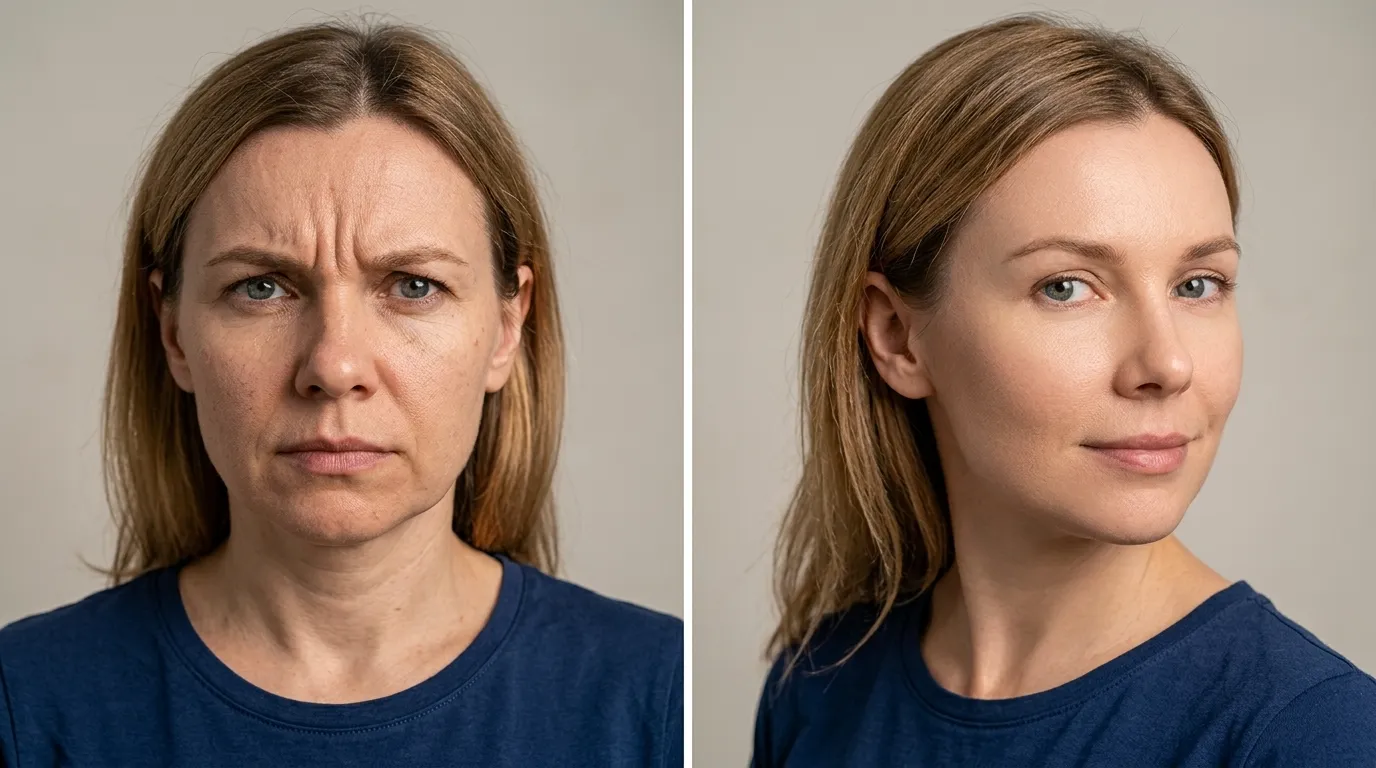
Forehead Botox refers to the use of botulinum toxin injections to reduce the muscular activity responsible for horizontal forehead lines. Botulinum toxin is a prescription-only medicine — and Botox is one of the most widely recognised terms for it — that works by temporarily limiting the nerve signals that cause targeted muscles to contract, allowing overlying skin to appear smoother.
In aesthetic practice, this Botox treatment is used specifically to address the frontalis muscle — the broad muscle that runs across the forehead and lifts the brows. When Botox is injected into this area with care, controlled reduction in its activity can soften lines and wrinkles while preserving a natural range of facial expression, though outcomes depend on dosing, technique, and individual anatomy.
Because botulinum toxin is a prescription-only medicine in the UK, it cannot legally be administered without a face-to-face consultation and a valid prescription issued by a qualified prescriber. Any reputable Botox clinic will uphold this requirement, and it exists primarily to protect patients seeking cosmetic treatment.
Who This Treatment May Suit
Anti-wrinkle injections for the forehead are commonly considered by adults who have noticed progressive horizontal lines developing across the upper face. Some patients present with fine lines visible primarily during expression; others notice deeper creases that remain apparent when the face is at rest. Both presentations may be assessed at consultation, and Botox can help address either, where clinically appropriate.
Suitability for treatment depends on a number of individual factors, including brow position, muscle strength, skin quality, medical history, and the patient’s aesthetic goals. Treatment is available to patients aged 18 and over. A face-to-face clinical assessment is always required before any injection plan is confirmed. Patients who are uncertain whether Botox is right for them are welcome to get Botox information and suitability guidance during their initial appointment.
Softening Forehead Movement and Visible Expression Lines
Many patients seeking Botox for forehead lines are not looking to eliminate movement — they want to reduce the prominence of lines and wrinkles that have become noticeable during everyday expressions or at rest. Botox helps soften these creases through careful, targeted placement, and when planned thoughtfully, Botox injections can achieve a meaningful reduction in visible creasing without creating an artificially immobile appearance.
The extent of visible improvement when treating forehead lines varies between individuals. Finer lines typically respond well; deeper, more established forehead wrinkles may show a partial but still clinically meaningful reduction. It is worth noting that Botox offers a non-surgical route to addressing these concerns, and it is widely considered one of the best anti-wrinkle approaches available for dynamic upper-face lines. Treatment planning is shaped by what is realistic for your specific forehead anatomy, and any expected outcomes will be discussed clearly at your consultation.
Consultation and Pricing
Treatment suitability, individual plan, and final Botox cost are confirmed following consultation and clinical assessment. Pricing depends on anatomy, treatment scope, number of areas, and overall session planning. We offer a free consultation so that patients can discuss their concerns, ask questions, and understand exactly what their treatment would involve before committing to anything.
The figures below represent general market guidance on Botox prices only, based on publicly advertised prices reviewed in May 2026 across multiple London clinics. These are not our clinic’s prices and may not reflect prescribing requirements or individual treatment complexity. How much does Botox cost in London? Published prices across reputable clinics currently indicate the following ranges:
- 1 treatment area: about £175–£275
- 2 treatment areas: about £250–£350
- 3 treatment areas: about £299–£400
- Consultation and assessment: about £50–£100 (some clinics include this free or redeem against treatment)
- Specialised or higher-dose area: additional surcharge of £30–£70 at some clinics (e.g. stronger musculature)
- Follow-up review: complimentary at many London clinic locations within 2–4 weeks of initial treatment
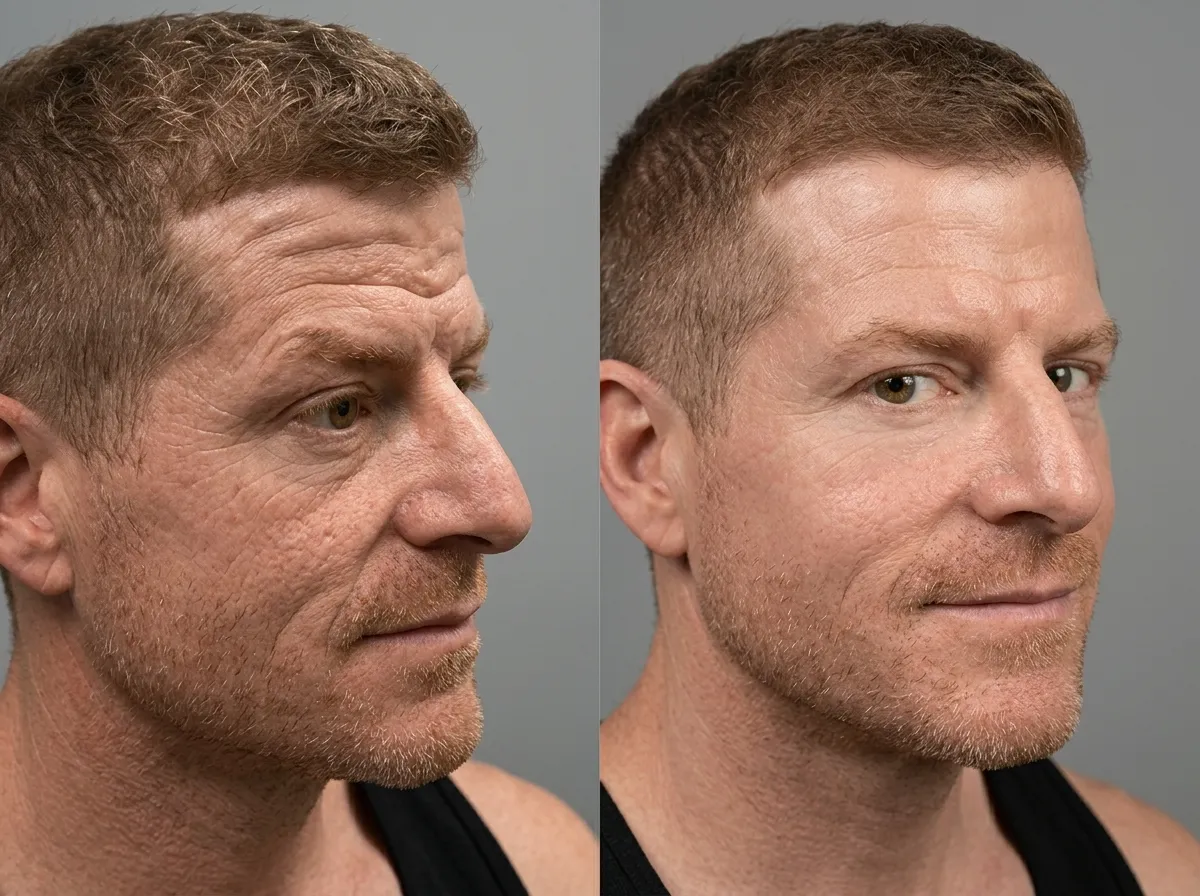
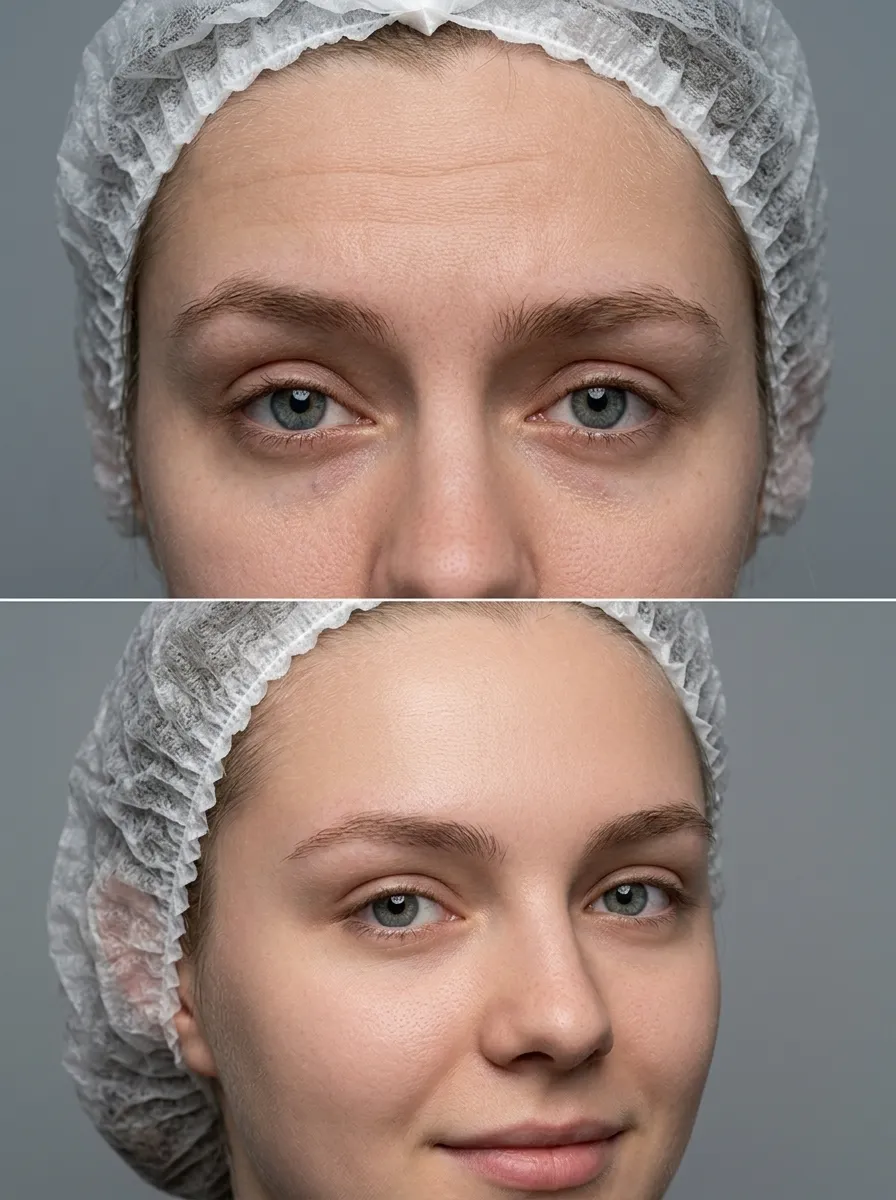
Before and After Forehead Botox
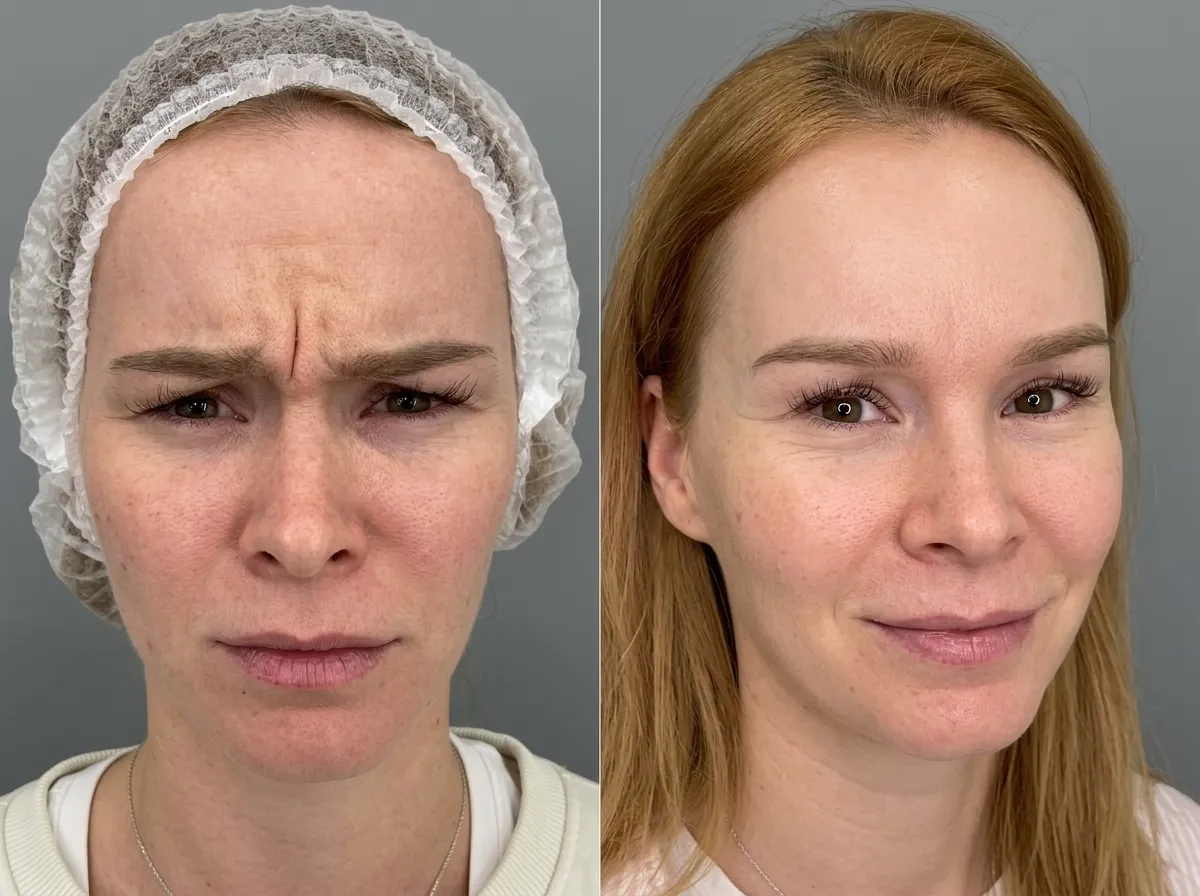
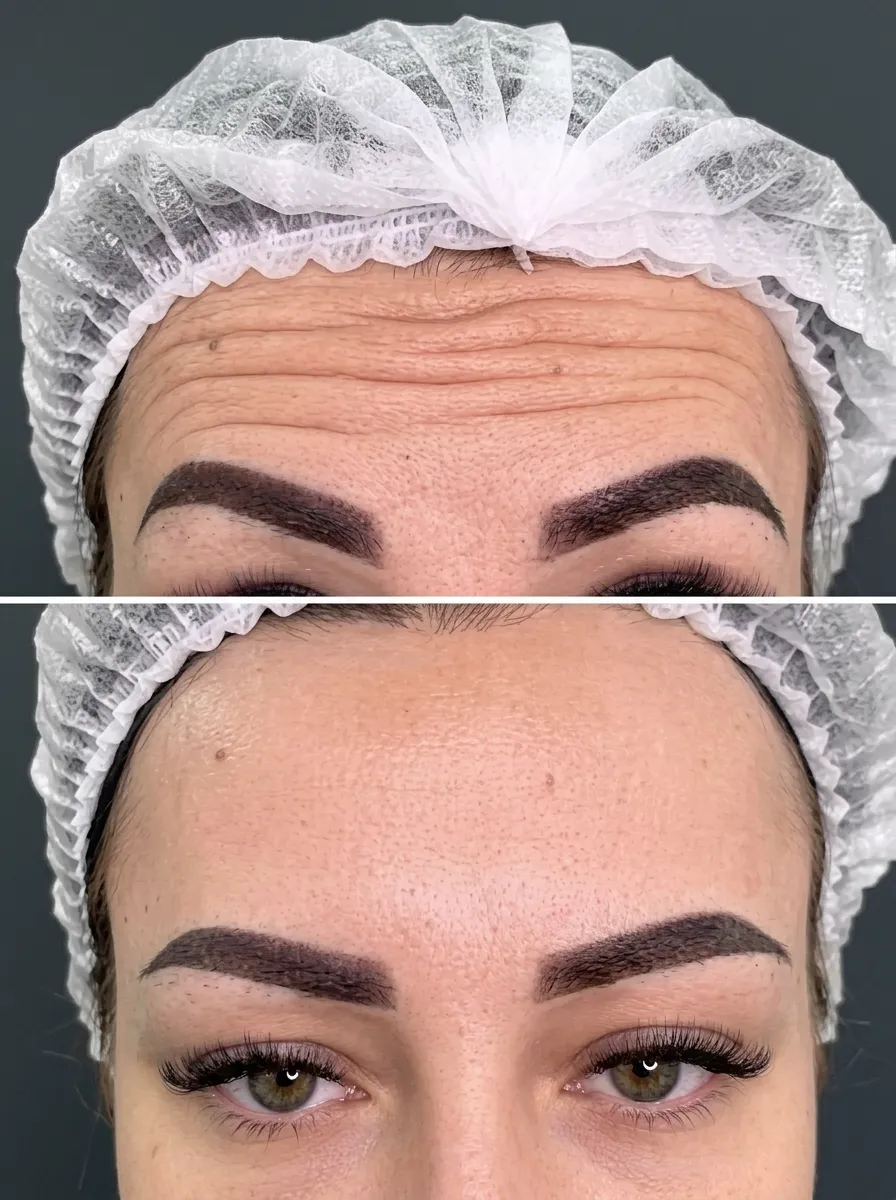
Botox for forehead wrinkles is intended to reduce the visibility of horizontal lines caused by repeated muscle contraction. As the effects of Botox develop over the first one to two weeks, patients typically notice a progressive smoothing of the treated area and a reduction in creasing during facial movement. Outcomes vary depending on the depth of existing lines, skin quality, and the degree of muscle reduction achieved. While the goal is never to produce a completely wrinkle-free result at the expense of natural expression, many patients find that when treated with Botox, their upper face appears noticeably more rested.
The following describes what patients may typically observe as results take effect. These are general expectations and not a guarantee of outcome for any individual patient:
- Gradual softening of horizontal forehead lines during facial expression, usually noticeable within 7–14 days
- Reduction in lines and wrinkles visible at rest in patients who presented with established static creasing
- Preservation of a natural brow position and resting facial expression when dosing is well-calibrated to individual anatomy
- A more rested and refreshed overall upper-face appearance without an artificially altered look
How Muscle Activity Influences Visible Forehead Lines
The frontalis is a broad, flat muscle running vertically across the forehead, responsible for brow elevation and many upper-face expressions. Over years of repeated contraction, the overlying skin begins to form horizontal creases — initially present only during movement but gradually persisting at rest. The depth and pattern of these lines are also influenced by genetics, sun exposure, and skin hydration. In this context, Botox is used to interrupt that cycle of repeated muscular activity, reducing the stimulus that drives progressive line formation.
Because the frontalis must be balanced against the brow depressors below, the dose of Botox and injection placement in this area require particular care. Injecting too high an amount of Botox into the forehead without accounting for overall brow dynamics can affect brow position or heaviness. This is why the amount of Botox used must be calibrated individually — experienced injectors assess the full upper face before placing any injections, rather than targeting forehead lines in isolation. In some cases, Botox around the eyes may also be considered alongside forehead treatment to achieve overall upper-face balance, though this is always discussed and agreed upon at consultation.
Results, Longevity and Recovery
Initial effects from Botox injections are typically noticeable within three to five days, though the full extent of muscle relaxation and visible smoothing usually develops over seven to fourteen days. Most patients consider the two-week mark — once any minor swelling has settled — the point at which they can best assess how long Botox lasts for them individually and whether a review is needed.
Results from forehead Botox generally last between three and six months, depending on metabolism, the dose used, and the specific muscles treated. How long Botox lasts can also be influenced by the number of prior treatments, as repeated treatment over time may extend the interval between sessions for some patients. Recovery involves minimal downtime — most patients return to normal activities immediately. Some experience minor redness at injection sites or occasional light bruising, both of which resolve quickly and without intervention.
Safety, Risks and Important Considerations
Botulinum toxin is a prescription-only medicine in the UK, and its use for cosmetic and aesthetic purposes must be preceded by a face-to-face consultation with an appropriately qualified prescriber. This is a legal requirement, not merely a recommendation. Patients should also be aware that treatment involves clinical considerations, including contraindications, relevant medical history, and the importance of informed consent before any Botox procedure.
Side effects, though generally mild and temporary, can include bruising, localised swelling, or a mild headache following the procedure. In rare cases, if the product migrates beyond the intended site, temporary eyelid or brow drooping can occur — typically resolving within weeks. Patients sometimes ask whether Botox hurts: most find it well tolerated, with discomfort limited to a brief, mild sensation at each injection point. Treatment is never entirely without risk, and an honest discussion of individual risk factors will always form part of the consultation process at London Aesthetics.
Why Choose London Aesthetics for Forehead Botox
London Aesthetics is a clinic in London built around considered, safety-led injectable treatment in Central London. Our approach is clinical rather than commercial — suitability, planning, and responsible prescribing underpin everything we do. As a specialist place for Botox in the heart of the city, we combine expert Botox technique with a commitment to natural, individually tailored outcomes.

Our Specialists and Clinical Team
Treatment at London Aesthetics is delivered by a dedicated team with clearly defined clinical roles, ensuring both safety and consistent results. Our team’s experience in administering Botox across a wide range of patients and presentations informs every injection plan we develop.
- Angelika — A fully insured aesthetic practitioner with over 8 years of international medical experience. She holds an overseas medical degree and practises in the UK under full certification and insurance for injectable treatments. Her technique draws on advanced international methods applied within strict UK safety standards, with a clinical focus on subtle, structured, and naturally refined outcomes.
- Dr. Ivan — A GMC-registered prescriber who provides the required face-to-face consultations and, where clinically appropriate, issues prescriptions for prescription-only products including botulinum toxin.
Responsible Consultation and Treatment Planning
Every treatment begins with a thorough clinical assessment. No injection plan is confirmed until suitability has been established in person, and no prescription is issued without a qualified face-to-face consultation. For patients exploring a lighter approach, baby Botox treatment — using small doses of Botox to achieve a more subtle softening effect — may also be discussed as part of the treatment planning conversation.
Safety, Prescribing and Medical Standards
Botulinum toxin injections are administered only following legally required prescribing by Dr. Ivan. Our clinic follows established UK clinical and safety standards for all treatments in the UK, throughout every stage of the Botox procedure.
Natural-Looking Results and Controlled Outcomes
Angelika’s clinical approach prioritises preserving natural expression over maximum reduction. The amount of Botox used is tailored to individual muscle strength, anatomy, and treatment goals. Baby Botox — where small doses of Botox are used to achieve a gentle, movement-preserving result — is one option that may suit patients who prefer a more conservative outcome.
Aftercare and Ongoing Support
Patients have access to aftercare guidance and follow-up support following every Botox treatment. Any concerns arising in the days after injection can be raised directly with the clinic team across our London locations.
- Qualified aesthetic practitioner with over 8 years of international medical experience
- GMC-registered prescriber conducting all face-to-face consultations and issuing prescriptions
- Legally compliant prescribing pathway for prescription-only botulinum toxin
- Individually tailored injection planning based on full upper-face assessment, including baby Botox options
- Minimal downtime following treatment, with most patients returning to normal activity the same day
- Clinic-based aftercare and follow-up support for all patients
- Non-promotional, consultation-led approach — no pressure, no guarantees, no upselling
Frequently Asked Questions
What does forehead Botox do?
Forehead Botox uses botulinum toxin injections to temporarily reduce the activity of the frontalis — the muscle responsible for brow elevation and the horizontal lines that form across the upper face. By limiting the contraction of specific muscles in the forehead, the overlying skin has less opportunity to crease with each expression. Lines and wrinkles that were previously prominent during facial movement may appear softer, and in some cases, established creasing at rest may also reduce. The extent of improvement depends on individual anatomy, the depth of existing lines, and the dose and placement used during treatment. Results are temporary and not guaranteed to be identical across all patients.
Who is usually a suitable candidate for forehead Botox?
Adults aged 18 and over who have developed noticeable horizontal forehead lines — whether visible during expression, at rest, or both — may be considered for treatment following clinical assessment. Suitability depends on brow position and movement pattern, muscle strength, overall upper-face anatomy, skin condition, and relevant medical history. Some individuals may not be appropriate candidates due to underlying health conditions, certain medications, pregnancy, or brow-position factors that make forehead treatment inadvisable without careful planning. A face-to-face consultation with Dr. Ivan is required to confirm suitability before any prescription or treatment is agreed.
How painful is forehead Botox?
Most patients describe the injection experience as mild and brief. Botulinum toxin is delivered using very fine needles, and the forehead is generally a well-tolerated area for injections in London and elsewhere. Discomfort, where present, is typically characterised as a slight pinch or light stinging sensation at each injection point, lasting only a moment. A topical anaesthetic cream can be applied to the area beforehand for patients who prefer additional comfort during the Botox procedure. The overall session is short, and the majority of patients return to their day immediately afterwards. Individual pain tolerance varies, and any concerns can be discussed openly during consultation.
How long do forehead Botox results usually last?
Results from forehead Botox typically last between three and six months, though this varies between individuals. Factors influencing how long Botox lasts include metabolism, the specific muscles treated, the amount of Botox used, and how the body processes the product over time. Some patients find their results persist closer to the longer end of this range; others notice the return of muscle movement sooner. As the effects of Botox wear off gradually, normal muscle activity returns. Future treatment plans can be adjusted at subsequent consultations based on how the previous session performed for that individual.
Are there risks or side effects with forehead Botox?
As with any injectable treatment, side effects can occur. Common and generally mild effects include temporary redness or minor swelling at injection sites, occasional light bruising, and, in some patients, a mild headache in the hours following the Botox procedure. Less commonly, patients may experience temporary brow heaviness or a feeling of mild pressure across the treated area. In rare cases, if the product migrates beyond the intended site, temporary eyelid or brow drooping can occur — typically resolving within weeks. Treatment is not risk-free, and an honest discussion of individual risk factors will always form part of the consultation process at our clinic for Botox in London.
Is there any downtime after forehead Botox?
One of the reasons Botox is one of the most sought-after cosmetic treatments in the UK is that it involves minimal downtime. The majority of patients return to normal daily activities immediately after the appointment. Some individuals experience minor redness at injection sites for a short period, and occasional light bruising may develop, usually resolving within a few days. Standard aftercare includes avoiding strenuous exercise, exposure to excessive heat such as saunas, and lying flat for several hours following treatment. Avoiding certain supplements and alcohol for 24 hours before and after the Botox procedure can also help reduce the likelihood of bruising.
Can forehead Botox be reversed, adjusted, or allowed to wear off if needed?
Botulinum toxin injections are not reversible in the same way that hyaluronic acid dermal fillers can be dissolved with an enzyme. However, because the effects of Botox are entirely temporary, normal muscle activity will return as the product is naturally metabolised — typically within three to six months. If a patient is unhappy with any aspect of their result, or if minor adjustments are needed in the weeks following treatment, a follow-up assessment can be arranged. Future treatment plans can be adapted based on what was observed from the previous session, including adjustments to the amount of Botox used, placement, or the number of areas treated.
How is the right treatment plan decided?
Treatment planning begins with a face-to-face consultation with Dr. Ivan, who assesses brow movement, muscle activity across the forehead, resting brow position, and the patient’s stated aesthetic goals. This assessment informs whether treatment is clinically appropriate, which areas should be addressed, and what dose of Botox is likely to achieve a balanced and natural-looking outcome. Angelika then develops an injection plan consistent with the consultation findings. Where appropriate, Botox for sweating or Botox around the eyes may also be introduced as part of a broader treatment conversation, though each area is assessed independently on its clinical merits. No plan is generic — the amount of Botox used, injection placement, and number of areas treated are all determined by individual clinical assessment.
Angelika is a fully insured aesthetic practitioner and not a medical doctor. Dr. Ivan is a GMC-registered prescriber who provides face-to-face consultations and issues prescriptions for prescription-only products where clinically required. Treatment is available to patients aged 18 and over only.