Smoker’s Lines Botox in London
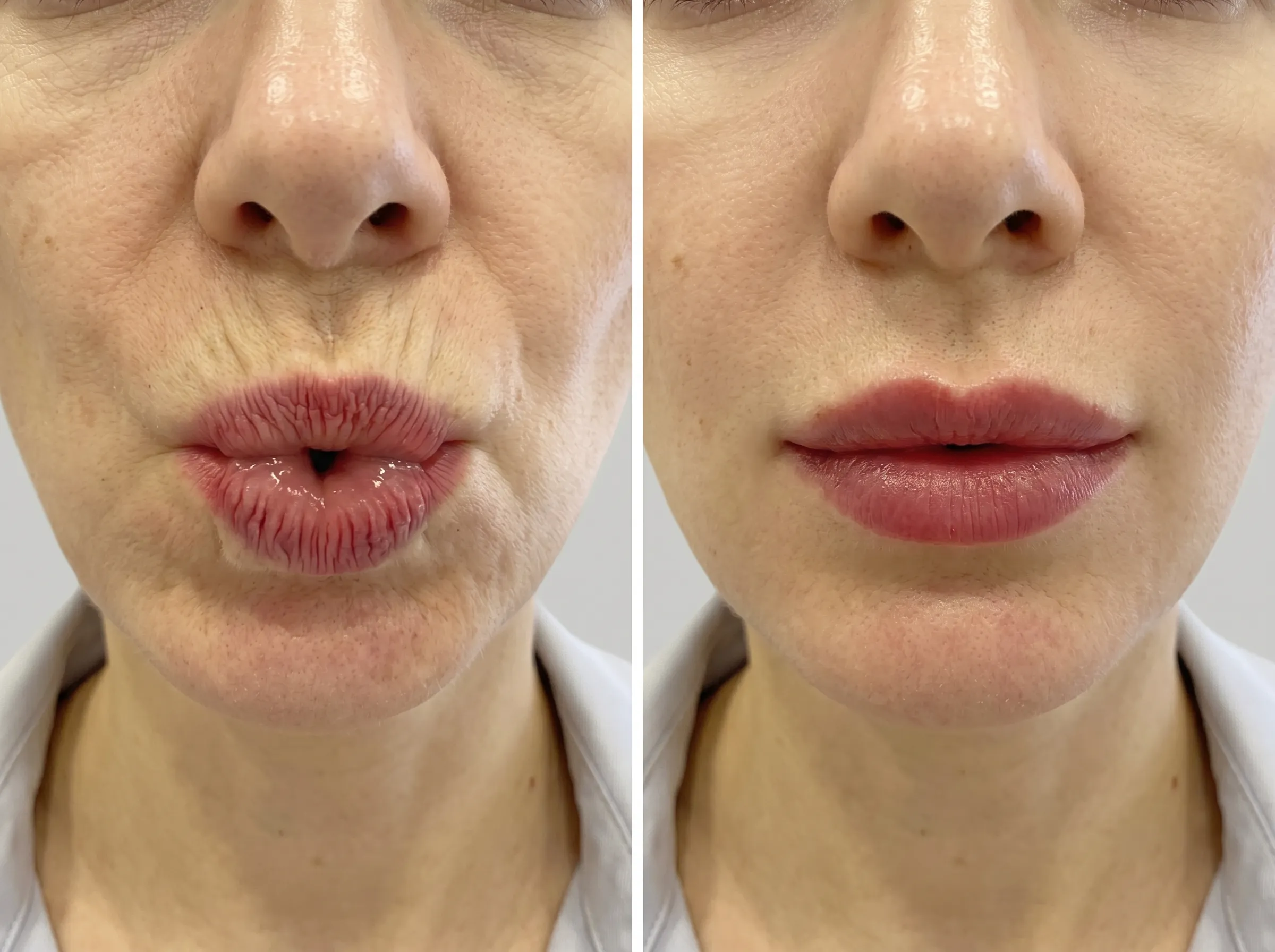
Fine vertical lines that form around the upper lip are among the more stubborn concerns patients raise during aesthetic consultation. They develop gradually through repeated muscular movement, facial expressions such as pursing or puckering, and the natural reduction of collagen and elastin with age.
Anti-wrinkle injections in this perioral area may help reduce the appearance of fine smoker lines by targeting the dynamic facial muscles responsible for these movements. Whether it is appropriate to inject this zone depends on individual anatomy, skin condition, and clinical assessment.
What Is Smoker’s Lines Botox?
Botulinum toxin is a prescription-only medicine used in aesthetic practice to reduce the visibility of wrinkles driven by repeated muscle activity. Using Botox in the perioral region is a well-established cosmetic approach to calm the muscles that cause fine perioral lines to form or deepen.
This is not a filler-based procedure. Unlike hyaluronic acid dermal fillers, which add volume to existing lines, anti-wrinkle injections work by moderating muscle contraction in the area around the lips. Each approach addresses different aspects of lip-line appearance.
Because botulinum toxin is a prescription-only medicine, treatment requires a face-to-face consultation and prescribing by a qualified medical professional before any injection takes place.
Who This Treatment May Suit
Patients who notice persistent vertical lines or lipstick lines around the upper lip — whether or not they have ever smoked — often ask whether these lines can be treated without surgery. The muscles around the mouth are among the most active on the face, and over time, even small repeated movements contribute to the formation of these creases.
- Fine to moderate vertical lines above the upper lip
- Lip lines or lipstick lines that bleed beyond the lip border
- Perioral lines caused by habitual facial expressions rather than volume loss
- Patients seeking a non-surgical cosmetic approach to rejuvenate the mouth area
- Those whose lines are primarily dynamic (movement-related) rather than static
Suitability is always confirmed during consultation. Factors including existing lines depth, overall facial anatomy, skin quality, medical history, and treatment goals all inform whether anti-wrinkle injections are appropriate, or whether a combined approach with dermal filler may better serve the patient.
Reducing the Appearance of Perioral Lines and Lip-Area Wrinkling
The area around the upper lip is susceptible to fine lines because the orbicularis oris muscle — responsible for the puckering of the lips, pursing, and numerous other facial expressions — is in near-constant use. Over time, the skin in this region loses its ability to fully recover between movements.
Botox injections in this area aim to relax the muscles around the mouth, allowing the skin surface to smooth gradually rather than continuing to crease with each expression. This targeted wrinkle reduction approach means results develop over days, not immediately, and the outcome should feel consistent with the patient’s natural appearance.
Consultation and Pricing
Treatment suitability, the appropriate placement approach, and final cost are confirmed after face-to-face consultation and clinical assessment. Pricing varies according to individual anatomy, the number of injection points required, treatment complexity, and session planning.
The figures below are general market guidance only, based on publicly advertised prices reviewed in May 2026 across multiple London aesthetic clinics. These are not our clinic’s prices and may not include consultation fees, prescribing costs, follow-up appointments, or individual treatment planning.
London Market Guide — Anti-Wrinkle Injections (Perioral Area)
- Smoker’s lines as a standalone area: approximately £90–£200
- Combined with one or more standard areas: approximately £30–£100 additional
- Consultation and clinical assessment: approximately £100–£200 (sometimes redeemable against treatment)
- Follow-up review session: varies by clinic, often included within the initial fee
Before and After Smoker’s Lines Botox
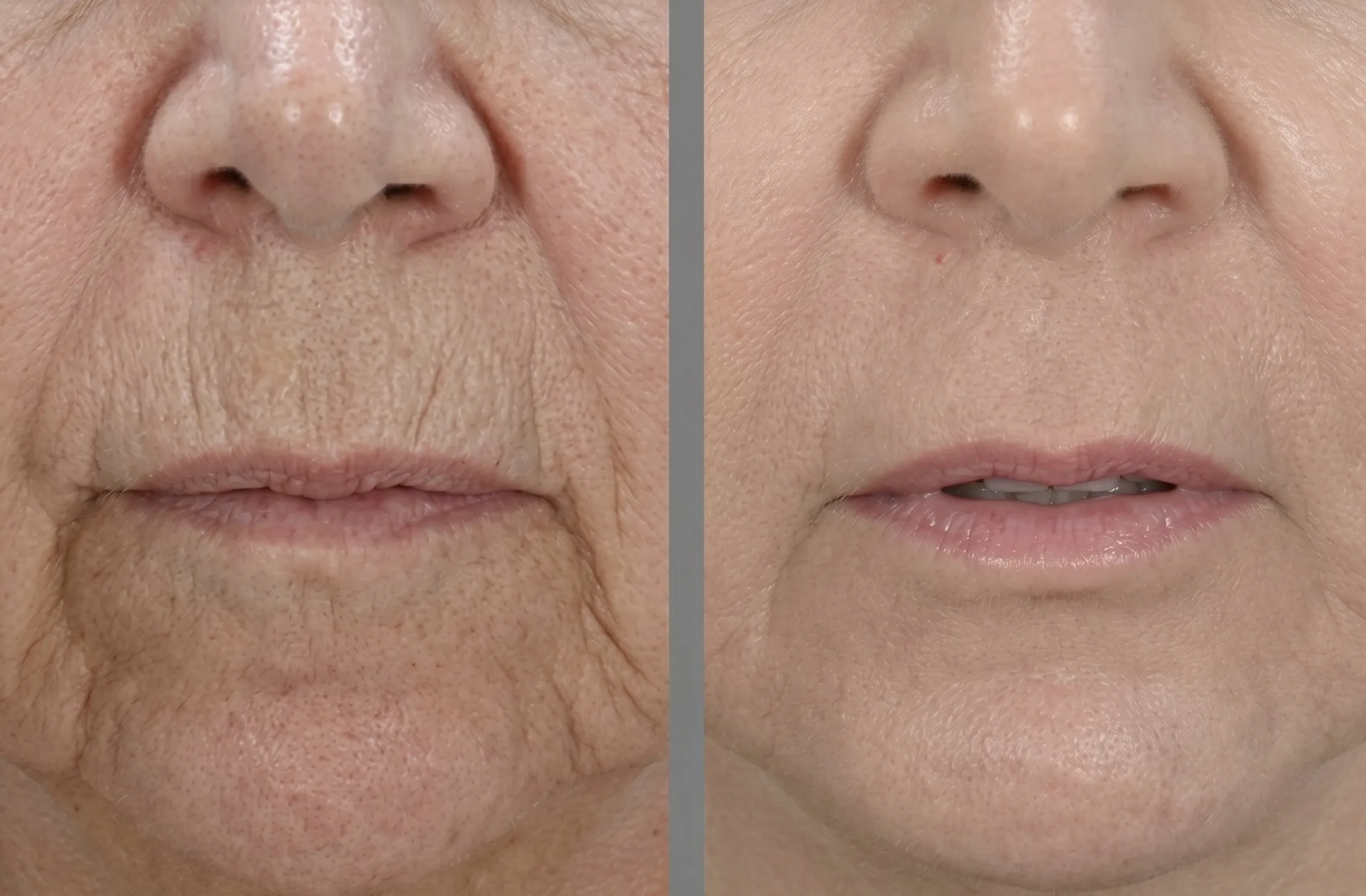
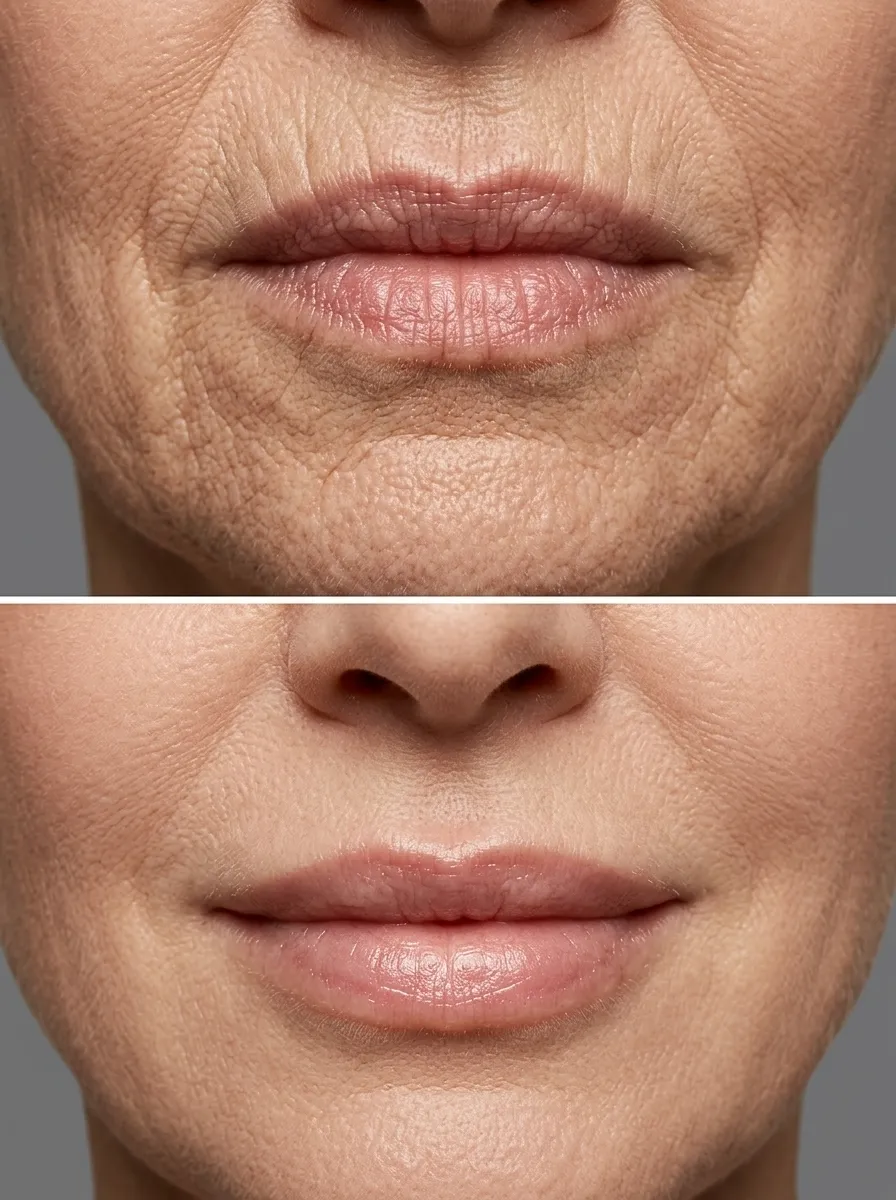
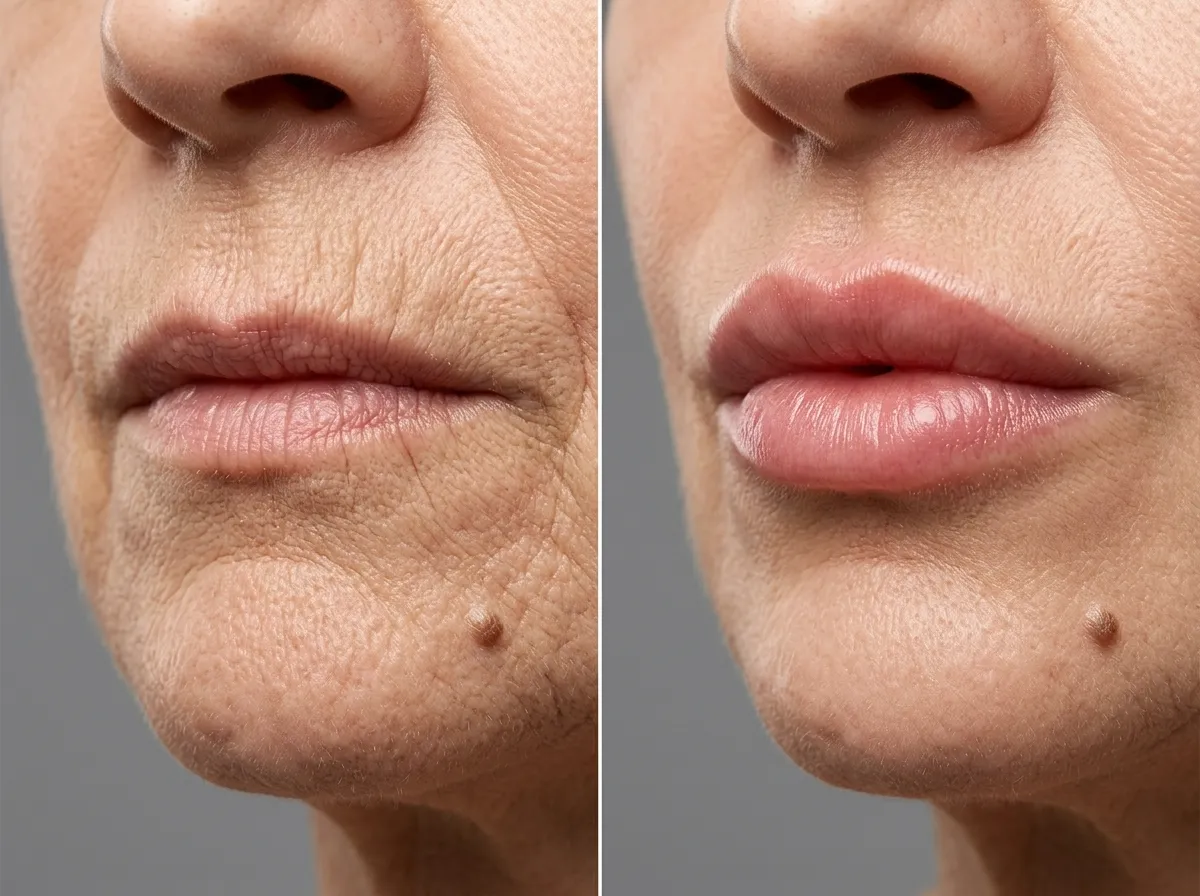
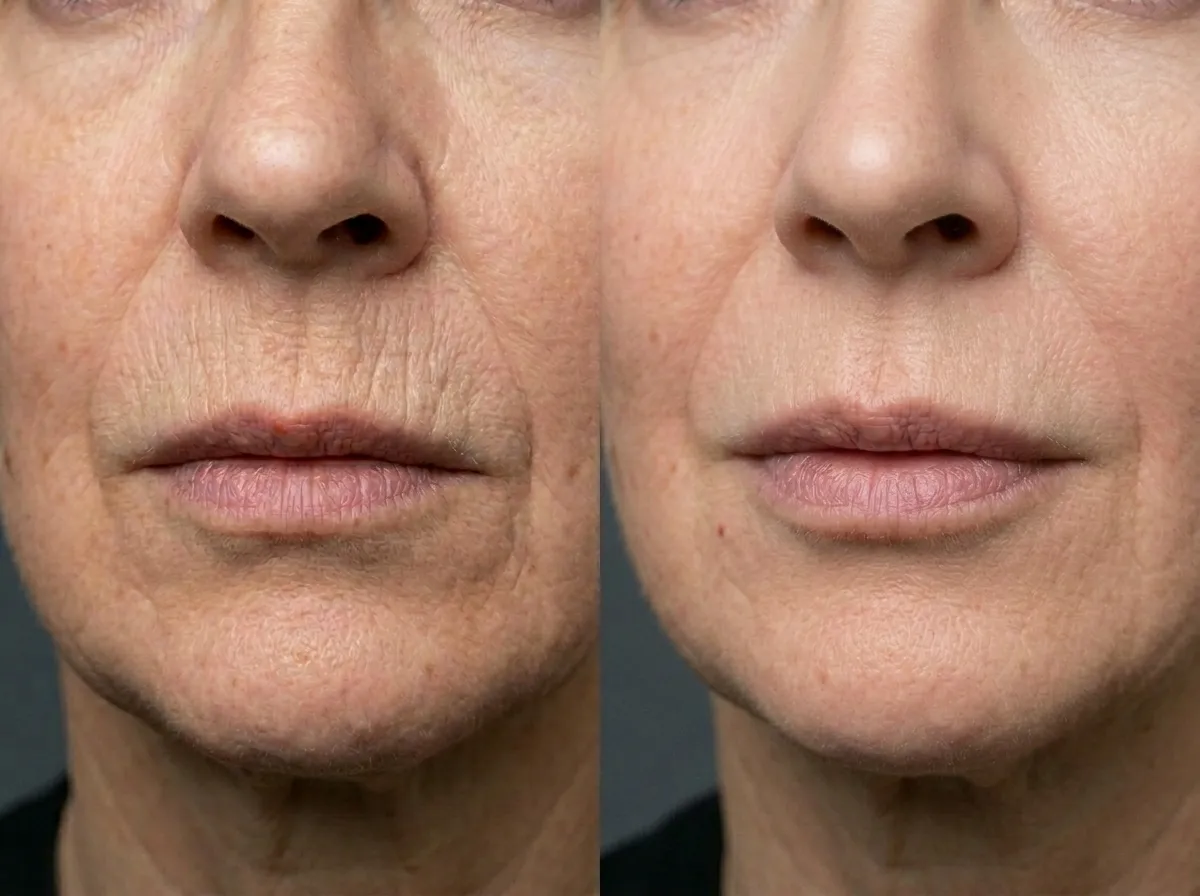
Following appropriate treatment, patients may notice a gradual smoothing of the fine lines or lipstick lines that previously appeared at rest or during movement around the upper lip. As the effects of Botox settle into the perioral muscles over 7 to 14 days, the area can take on a noticeably rejuvenated appearance.
The visible outcomes described below represent what some patients report after treatment. Individual results vary depending on line depth, skin type, and the anatomy of each patient.
- Reduction in the appearance of fine vertical lines above the upper lip
- Smoother skin surface in the area around the mouth at rest
- Reduced tendency for lip lines or lipstick lines to deepen during facial expressions
- More youthful-looking perioral region without structural alteration to lip shape
- Gradual improvement over 7–14 days post-treatment
- Results that allow natural lip movement and normal facial expressions
How Muscle Activity Influences the Formation of Smoker’s Lines
Perioral lines form differently from static skin wrinkles caused purely by volume loss or sun damage. They are driven by the repeated contraction of specific muscles around the mouth — movements involved in speech, eating, drinking, smiling, and puckering. These are dynamic lines, meaning their depth and persistence are closely tied to ongoing muscular behaviour.
Understanding the muscles that cause these lines to form is central to treatment planning. The goal is not to eliminate movement but to reduce the intensity of the crease pattern over time. For patients with more advanced skin laxity, complementary options such as RF (radiofrequency) treatment, which stimulates collagen production in the dermis, may be discussed alongside injectable planning during consultation.
Treatment Focus | What Is Usually Assessed | Intended Effect |
Orbicularis oris muscle (upper lip) | Degree of muscle activity, line depth, lip border integrity | Relaxation of the muscles to reduce perioral line formation |
Skin quality and thickness | Collagen and elastin levels, hydration, and sun damage history | Determines whether anti-wrinkle injections alone are appropriate or whether a combined approach is needed |
Injection point selection | Facial anatomy, desired result, patient-to-patient variation in muscle position | Precise, targeted effect with minimal impact on surrounding lip function and movement |
Combination with dermal filler | Presence of static existing lines or volume loss around the upper lip | Addresses both dynamic and structural contributors when assessed as clinically appropriate |
Results, Longevity and Recovery
Most patients begin to notice a visible reduction in perioral line movement within three to five days of treatment. The full effects of botulinum toxin in this area typically develop by 10 to 14 days, once the relaxation of the muscles has settled and the skin surface has responded.
Results in the perioral region last for 3–4 months on average, though duration varies from patient to patient based on metabolism, lifestyle, and the dose used. Recovery time is minimal; the treated area may show minor redness or small raised points at injection sites, which typically resolve within a few hours.
Safety, Risks and Important Considerations
Anti-wrinkle injections are prescription-only medicines and must be assessed, prescribed, and administered by appropriately qualified practitioners. This is not a treatment that should be undertaken without proper face-to-face consultation and a personalised treatment plan.
Potential risks include temporary bruising, minor swelling, asymmetry, and, in rare cases, unwanted spread of product to adjacent muscles affecting lip function. These effects are usually temporary and resolve as the treatment wears off.
Patients with certain medical histories, neuromuscular conditions, or those who are pregnant or breastfeeding are not suitable candidates. Suitability depends on thorough clinical assessment, not self-referral or assumption.
- Botulinum toxin is a prescription-only medicine requiring prescriber involvement
- Perioral injection carries specific risks related to lip movement and function
- Results are not guaranteed and vary from patient to patient
- All treatment must be preceded by informed consent and medical history review
- At-home treatments using numbing cream or other preparations do not substitute for clinical assessment
- Combination with sunscreen, retinoid use, or procedures like microneedling must be discussed during consultation
Why Choose London Aesthetics for Smoker’s Lines Botox
London Aesthetics approaches every treatment with clinical precision, an honest consultation process, and a clear commitment to outcomes that respect natural facial aesthetics rather than override them.

Our Specialists and Clinical Team
Our team combines international training with UK regulatory compliance, ensuring that every patient receives treatment that is both clinically considered and properly supported.
- Angelika is a fully insured UK aesthetic practitioner with over eight years of international medical experience. She holds an overseas medical degree and practises under full certification and insurance for injectable treatments in the UK. Her approach combines advanced international methods with strict UK safety standards, centred on subtle, structured, and naturally refined results.
- Dr. Ivan is a GMC-registered prescriber who provides the required face-to-face consultations and issues prescriptions for prescription-only products where clinically appropriate.

Responsible Consultation and Treatment Planning
No treatment proceeds without a proper clinical assessment. Suitability is confirmed through structured consultation that considers anatomy, medical history, and patient goals before any injection is planned.

Safety, Prescribing and Medical Standards
All prescription-only medicines used at London Aesthetics are prescribed through the appropriate clinical pathway. Botulinum toxin is never supplied or administered without prior face-to-face prescriber assessment.

Natural-Looking Results and Controlled Outcomes
The perioral area requires particular precision. The clinic’s approach prioritises maintaining natural lip movement and facial expressions while working towards a youthful, naturally refined outcome rather than an over-treated appearance.

Aftercare and Ongoing Support
Patients receive structured aftercare guidance following treatment, with access to clinical advice if questions arise. A follow-up review is used to assess results and discuss whether any further treatment planning is appropriate.
- Qualified and insured aesthetic practitioner with GMC-registered prescriber support
- Consultation-led approach — suitability always confirmed before treatment
- Perioral treatment delivered with care for preserving natural lip function
- Premium injectable products used in line with UK clinical standards
- Structured aftercare and review process for all patients
Please note: Angelika is an aesthetic practitioner, not a medical doctor. Dr. Ivan, our GMC-registered prescriber, provides face-to-face consultations and issues prescriptions for prescription-only products where clinically required. Treatment is available only to patients aged 18 and over.
Frequently Asked Questions
What does Smoker’s lines botox do?
Anti-wrinkle injections in the perioral area work by moderating the activity of the muscles around the mouth that repeatedly contract during everyday facial expressions. By reducing the intensity of these contractions, the treatment aims to minimise the vertical crease patterns that form above the upper lip over time. A small, precise amount of botulinum toxin is used to inject the targeted muscle zone, resulting in a gradual smoothing of fine lines or lipstick lines as the skin’s surface softens over 7 to 14 days. Results are not instant and vary between patients.
Who is usually a suitable candidate for smoker’s lines Botox?
This treatment may be appropriate for adults aged 18 or over who have noticeable vertical lines or perioral wrinkles around the upper lip that are primarily caused by repeated muscular movement. Suitable candidates often include those who have never smoked, since these lines can form in anyone whose lip muscles are particularly active. Suitability also depends on skin quality, existing line depth, and whether volume loss is a contributing factor. A face-to-face consultation is required to assess each patient individually and confirm a personalised treatment plan.
How painful is the smoker’s lines Botox?
Most patients find the procedure tolerable. A numbing cream is applied to the area around the lips before treatment to reduce discomfort at the injection sites. The perioral region is more sensitive than areas such as the forehead due to the density of nerve endings around the mouth, and some patients report a brief stinging or pressure sensation during injection. Discomfort typically resolves within minutes of the procedure. Any minor swelling or redness at the treated area usually settles within a few hours, and patients are generally comfortable returning to normal activities the same day.
How long do smokers’ lines Botox results usually last?
Results in the perioral area typically last for 3–4 months, though this varies from patient to patient depending on metabolism, the degree of muscle activity in the area, and the dose used during treatment. Some patients may find results wear off slightly sooner due to the high frequency of movement in the muscles around the mouth. Regular treatment over time, guided by a personalised treatment plan and clinical review, can help maintain the results. Duration is discussed during consultation, so expectations are realistic before treatment proceeds.
Are there risks or side effects with smoker’s lines Botox?
As with any injectable treatment, there are potential risks. Common temporary effects include minor bruising, localised swelling, or small raised points at injection sites, most of which resolve quickly. The perioral area carries specific considerations, including the possibility of temporary effects on lip function, such as slight weakness when puckering or drinking. In rare cases, adjacent muscle groups may be affected. Serious complications are uncommon when treatment is carried out by a qualified medical professional following proper clinical assessment, but no treatment can be described as entirely without risk.
Is there any downtime after the smoker’s lines Botox?
Recovery time after smoker’s lines Botox is minimal, and most patients return to their usual activities on the same day. It is advisable to avoid strenuous exercise, excessive heat such as saunas, and alcohol for 24 hours following treatment, as these can increase the likelihood of bruising and swelling. Makeup should be avoided at the injection sites for several hours, and the treated area should not be massaged or manipulated. Patients are also advised to avoid certain at-home skincare procedures, such as microneedling or chemical exfoliants in the perioral region for a period after treatment, as discussed during consultation.
Can a smoker’s lines botox be reversed, adjusted, or allowed to wear off if needed?
Botulinum toxin is not reversible in the way that hyaluronic acid filler can be dissolved. However, it is a temporary treatment and the effects will wear off naturally over 3 to 4 months as the body gradually metabolises the product. If a patient finds the result too strong, too subtle, or not quite as expected, this is reviewed during the follow-up appointment, and future treatment planning can be adjusted accordingly. No permanent changes are made, and patients who choose not to continue treatment will return to their baseline appearance as the effects subside.
How is the right treatment plan decided?
The treatment plan for smoker’s lines Botox is established during a face-to-face clinical consultation. This involves assessing the depth and distribution of perioral lines, the activity of the muscles around the mouth, skin quality, and the patient’s overall cosmetic goals and facial aesthetics. Where volume loss contributes to the appearance of lines, dermal filler may be discussed as a complementary option. The plan also considers medical history, any contraindications, and whether a combined approach is appropriate. Dr. Ivan issues the prescription for prescription-only products following this assessment.